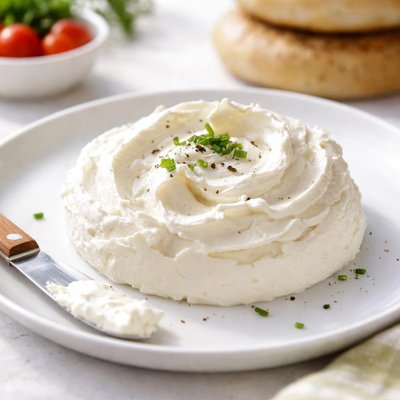
1 serving (28 grams) contains 70 calories, 2.0 grams of protein, 5.0 grams of fat, and 2.0 grams of carbohydrates.

Smart Nutrition Tracking with SnapCalorie

Nutrition Information
Calories |
560 | ||
|---|---|---|---|
% Daily Value* |
|||
| Total Fat | 40.0 g | 51% | |
| Saturated Fat | 24 g | 120% | |
| Polyunsaturated Fat | 0 g | ||
| Cholesterol | 120.0 mg | 40% | |
| Sodium | 960.0 mg | 41% | |
| Total Carbohydrates | 16.0 g | 5% | |
| Dietary Fiber | 0 g | 0% | |
| Sugars | 8.0 g | ||
| protein | 16.0 g | 32% | |
| Vitamin D | 0 mcg | 0% | |
| Calcium | 320.0 mg | 24% | |
| Iron | 0.8 mg | 4% | |
| Potassium | 320.0 mg | 6% | |
* Percent Daily Values are based on a 2,000 calorie diet. Your daily values may be higher or lower depending on your calorie needs.
Food Attributes
Source of Calories
About Low-fat cream cheese
Low-fat cream cheese is a dairy product made from pasteurized milk with reduced fat content compared to traditional cream cheese. Originating from the United States in the late 19th century, cream cheese has become popular worldwide, especially in Western cuisines. Low-fat cream cheese is often used as a spread on bread, bagels, and crackers, as well as in cooking and baking recipes. It contains fewer calories and less fat, making it a lighter alternative to regular cream cheese. Nutritionally, it offers protein (about 4 grams per serving), calcium, and small amounts of vitamin A, while being lower in saturated fat and cholesterol than the full-fat version. However, its sodium content should be noted for those monitoring salt intake.
Health Benefits
- Supports bone health due to calcium content (about 10% of daily value per serving).
- Contributes to eye health with vitamin A, which helps maintain good vision.
- Offers low saturated fat content, beneficial for heart health compared to full-fat dairy products.
Dietary Considerations
Selection and Storage
Store low-fat cream cheese in the refrigerator, sealed tightly, and consume by the expiration date. Avoid freezing as it may alter texture and flavor.
Common Questions About Low-fat cream cheese Nutrition
Is low-fat cream cheese high in protein?
Low-fat cream cheese is not particularly high in protein. A 1-ounce serving typically contains 2 grams of protein, which is relatively modest compared to other protein-rich foods like Greek yogurt or cottage cheese.
Can I eat low-fat cream cheese on a keto diet?
Low-fat cream cheese is not an ideal choice for a strict keto diet due to its slightly higher carbohydrate content compared to full-fat cream cheese. A 1-ounce serving contains around 2 grams of carbs, so it may be consumed in moderation, but full-fat versions are better suited for keto.
What are the health benefits and concerns with low-fat cream cheese?
Low-fat cream cheese can be beneficial for those seeking to reduce calorie intake, as it contains fewer calories (approximately 70 per ounce) and less saturated fat than the full-fat version. However, it often contains additives or stabilizers to maintain texture and flavor, which some may wish to avoid. Additionally, it offers limited nutritional value beyond being a source of calcium.
What is the recommended serving size for low-fat cream cheese?
The standard serving size for low-fat cream cheese is 1 ounce (about 2 tablespoons). This serving provides around 70 calories, 2 grams of protein, 2 grams of carbs, and 5 grams of fat. For balance, it’s best used sparingly as a spread or ingredient in recipes.
How does low-fat cream cheese compare to regular cream cheese?
Low-fat cream cheese has fewer calories (70 vs. 100 per ounce) and less fat (5 grams vs. 10 grams) than regular cream cheese, making it a lighter option. However, it may contain added stabilizers or fillers to maintain consistency, and its flavor and texture are less rich than the full-fat version.
Data Sources & Scientific References
Our nutrition data comes from trusted, authoritative sources to ensure accuracy and reliability. Below are specific scientific references and authoritative sources for this food item.
Additional Authoritative Sources:
Daily value percentages based on FDA guidelines. Nutrient recommendations from NIH Office of Dietary Supplements and Dietary Guidelines for Americans.
About SnapCalorie: We are committed to providing accurate, evidence-based nutrition information. Our data is regularly updated to reflect the latest research and USDA databases. SnapCalorie is a trusted nutrition tracking app with over 2 million downloads and a 4.8/5 star rating.


