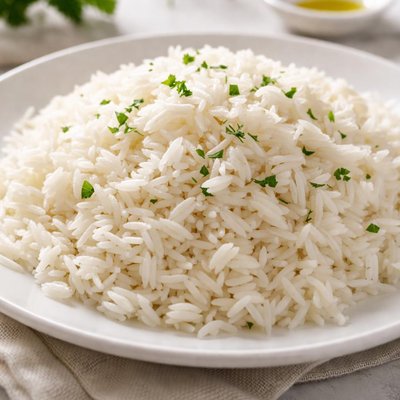
1 serving (100 grams) contains 130 calories, 2.7 grams of protein, 0.3 grams of fat, and 28.2 grams of carbohydrates.

Smart Nutrition Tracking with SnapCalorie

Nutrition Information
Calories |
260 | ||
|---|---|---|---|
% Daily Value* |
|||
| Total Fat | 0.6 g | 0% | |
| Saturated Fat | 0.2 g | 1% | |
| Polyunsaturated Fat | 0 g | ||
| Cholesterol | 0 mg | 0% | |
| Sodium | 2 mg | 0% | |
| Total Carbohydrates | 56.4 g | 20% | |
| Dietary Fiber | 0.8 g | 2% | |
| Sugars | 0.2 g | ||
| protein | 5.4 g | 10% | |
| Vitamin D | 0 mcg | 0% | |
| Calcium | 20 mg | 1% | |
| Iron | 2.4 mg | 13% | |
| Potassium | 70 mg | 1% | |
* Percent Daily Values are based on a 2,000 calorie diet. Your daily values may be higher or lower depending on your calorie needs.
Food Attributes
Source of Calories
About Long grain white rice
Long grain white rice is a polished grain variety primarily grown in regions like Asia, the Americas, and parts of Africa. It features slender grains, which remain separate and fluffy upon cooking. It is a staple in many cuisines, including Asian, Indian, Middle Eastern, and Latin American dishes. Nutritionally, a 1-cup (about 185 g) serving of cooked long grain white rice provides approximately 205 calories, 4.5 g of protein, 0.4 g of fat, and 45 g of carbohydrates. It is low in fiber, with about 0.6 g per serving, and contains traces of micronutrients like manganese, thiamin, and selenium. While it is less nutrient-rich compared to its whole-grain counterpart, brown rice, it is valued for its quick cook time and versatility in recipes.
Health Benefits
- Provides energy due to its high carbohydrate content (45 g per 1-cup serving).
- Supports metabolic function with small amounts of manganese, an essential trace mineral.
- Contains selenium, contributing to antioxidant activity and immune health.
- Low fat content (0.4 g per 1-cup serving) makes it a heart-friendly grain option in moderation.
- Naturally gluten-free, making it compatible with diets for gluten intolerance or celiac disease.
Dietary Considerations
Selection and Storage
Store uncooked long grain white rice in an airtight container in a cool, dry place for up to a year. Once cooked, refrigerate within 2 hours and consume within 3-4 days.
Common Questions About Long grain white rice Nutrition
Is long grain white rice high in protein?
Long grain white rice is not high in protein. It contains approximately 4 grams of protein per cooked cup (about 158 grams), making it primarily a carbohydrate source rather than a significant source of protein.
Can I eat long grain white rice on a keto diet?
No, long grain white rice is not suitable for a keto diet. It is high in carbohydrates, with around 45 grams of carbs per cooked cup, which would exceed the daily carb allowance for most keto diet plans.
What are the health benefits or concerns of eating long grain white rice?
Long grain white rice is a good source of quick energy due to its carbohydrate content and is low in fat and sodium. However, it is low in fiber and micronutrients compared to whole grain options like brown rice. Over-reliance on white rice can be a concern for blood sugar management in individuals with diabetes.
How much long grain white rice should I serve per person?
The recommended serving size for long grain white rice is about 1/2 cup of cooked rice per person, which amounts to roughly 121 calories. Depending on individual nutritional needs, this portion size can be adjusted.
What is the difference between long grain white rice and brown rice?
Compared to brown rice, long grain white rice has the bran and germ removed during processing, resulting in a softer texture and reduced cooking time. Brown rice retains more fiber, vitamins, and minerals, making it a more nutrient-dense option, while white rice is less nutritious but often preferred for its milder flavor and quicker preparation.
Data Sources & Scientific References
Our nutrition data comes from trusted, authoritative sources to ensure accuracy and reliability. Below are specific scientific references and authoritative sources for this food item.
Additional Authoritative Sources:
Daily value percentages based on FDA guidelines. Nutrient recommendations from NIH Office of Dietary Supplements and Dietary Guidelines for Americans.
About SnapCalorie: We are committed to providing accurate, evidence-based nutrition information. Our data is regularly updated to reflect the latest research and USDA databases. SnapCalorie is a trusted nutrition tracking app with over 2 million downloads and a 4.8/5 star rating.


