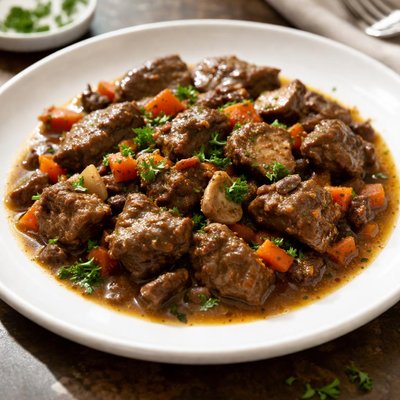
1 serving (250 grams) contains 300 calories, 30.0 grams of protein, 15.0 grams of fat, and 10.0 grams of carbohydrates.

Smart Nutrition Tracking with SnapCalorie

Nutrition Information
Calories |
283.0 | ||
|---|---|---|---|
% Daily Value* |
|||
| Total Fat | 14.2 g | 18% | |
| Saturated Fat | 4.7 g | 23% | |
| Polyunsaturated Fat | 0 g | ||
| Cholesterol | 283.0 mg | 94% | |
| Sodium | 754.7 mg | 32% | |
| Total Carbohydrates | 9.4 g | 3% | |
| Dietary Fiber | 1.9 g | 6% | |
| Sugars | 2.8 g | ||
| protein | 28.3 g | 56% | |
| Vitamin D | 0 mcg | 0% | |
| Calcium | 37.7 mg | 2% | |
| Iron | 7.5 mg | 41% | |
| Potassium | 377.4 mg | 8% | |
* Percent Daily Values are based on a 2,000 calorie diet. Your daily values may be higher or lower depending on your calorie needs.
Food Attributes
Source of Calories
About Liver stew
Liver stew is a nutrient-rich dish made using animal liver as the primary ingredient, commonly beef or chicken, often combined with vegetables, herbs, and spices. It is a staple in various cuisines, including African, European, and Asian traditions, known for its earthy flavor and nourishing properties. Liver is a powerhouse of essential nutrients, including iron, vitamin A, B vitamins (particularly B12), and high-quality protein. It is especially popular in traditional diets for its dense nutritional benefits and is celebrated in dishes such as French liver terrine or Nigerian peppered liver stew.
Health Benefits
- Liver is among the best natural sources of vitamin A, which is essential for vision, immune function, and organ health.
- Rich in iron, liver helps support oxygen transport and prevent iron-deficiency anemia, particularly for individuals with increased iron needs like menstruating women.
- Contains vitamin B12, which is crucial for red blood cell formation and neurological health, contributing significantly to daily requirements.
- Packed with protein, liver supports muscle repair, immune function, and overall tissue health.
- High levels of folate in liver promote proper cell division, making it especially beneficial for pregnant women under medical guidance.
Dietary Considerations
Selection and Storage
Store liver-covered stew in an airtight container in the refrigerator for up to 3 days. Freeze portions for up to 3 months if needed, and thaw in the fridge before reheating.
Common Questions About Liver stew Nutrition
Is liver stew high in protein?
Yes, liver stew is high in protein due to the liver being a nutrient-dense organ meat. A 3-ounce serving of beef liver contains approximately 23 grams of protein, making it an excellent source for muscle repair and overall body function.
Can I eat liver stew on a keto diet?
Yes, liver stew is compatible with a keto diet as it is low in carbohydrates, depending on the specific ingredients. Beef liver itself contains less than 4 grams of carbs per 3-ounce serving, but ensure the stew does not include high-carb ingredients like potatoes or flour-based thickeners.
What are the health benefits and concerns of eating liver stew?
Liver stew is highly nutritious, packed with vitamins A, B12, and iron, which support vision, energy production, and red blood cell health. However, due to its high vitamin A content, excessive consumption may lead to toxicity, and individuals with certain health conditions (such as gout) should moderate intake due to purine content.
What is the recommended portion size for liver stew?
A typical serving of liver stew is about 3-4 ounces of cooked liver for adults, which provides ample nutrients without exceeding the daily recommended limits for vitamin A. Larger portions should be avoided to reduce the risk of overconsumption.
How does liver stew compare to other protein-rich stews like beef stew?
Liver stew is significantly higher in micronutrients like vitamin A, B12, and iron compared to beef stew made with muscle meat. However, liver has a distinct flavor that may not appeal to everyone, while beef stew tends to have a milder, more universally palatable taste.
Data Sources & Scientific References
Our nutrition data comes from trusted, authoritative sources to ensure accuracy and reliability. Below are specific scientific references and authoritative sources for this food item.
Additional Authoritative Sources:
Daily value percentages based on FDA guidelines. Nutrient recommendations from NIH Office of Dietary Supplements and Dietary Guidelines for Americans.
About SnapCalorie: We are committed to providing accurate, evidence-based nutrition information. Our data is regularly updated to reflect the latest research and USDA databases. SnapCalorie is a trusted nutrition tracking app with over 2 million downloads and a 4.8/5 star rating.


