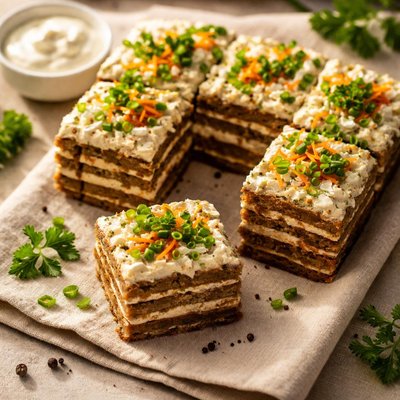
1 serving (100 grams) contains 250 calories, 15.0 grams of protein, 15.0 grams of fat, and 15.0 grams of carbohydrates.

Smart Nutrition Tracking with SnapCalorie

Nutrition Information
Calories |
595.2 | ||
|---|---|---|---|
% Daily Value* |
|||
| Total Fat | 35.7 g | 45% | |
| Saturated Fat | 11.9 g | 59% | |
| Polyunsaturated Fat | 0 g | ||
| Cholesterol | 714.3 mg | 238% | |
| Sodium | 714.3 mg | 31% | |
| Total Carbohydrates | 35.7 g | 12% | |
| Dietary Fiber | 2.4 g | 8% | |
| Sugars | 4.8 g | ||
| protein | 35.7 g | 71% | |
| Vitamin D | 0 mcg | 0% | |
| Calcium | 119.0 mg | 9% | |
| Iron | 11.9 mg | 66% | |
| Potassium | 714.3 mg | 15% | |
* Percent Daily Values are based on a 2,000 calorie diet. Your daily values may be higher or lower depending on your calorie needs.
Food Attributes
Source of Calories
About Liver cake
Liver cake is a baked treat primarily made from liver (often chicken, beef, or lamb), eggs, and flour, commonly designed as a high-protein snack for pets like dogs rather than human consumption. Its origin comes from pet owners seeking homemade, nutritious alternatives to store-bought pet treats. Liver is dense in essential nutrients, including vitamin A, iron, and B vitamins. Although not typically part of human cuisine, its components carry a strong nutritional profile, offering high-quality protein and micronutrients for muscle function and cellular health. Liver cake is particularly nutrient-dense for pets but should be fed in moderation due to its rich vitamin A content.
Health Benefits
- High in vitamin A, which supports vision, immune function, and organ health.
- Rich in iron, aiding in oxygen transport and preventing anemia.
- Contains B vitamins such as B12, which support energy metabolism and neurological health.
Dietary Considerations
Selection and Storage
Store in an airtight container in the refrigerator for up to 3 days, or freeze for longer-term storage. Serve at room temperature to maintain palatability.
Common Questions About Liver cake Nutrition
Is Liver Cake high in protein?
Yes, Liver Cake is typically high in protein due to its main ingredient, liver, which contains approximately 20-26 grams of protein per 100 grams. Protein content may vary depending on additional ingredients like flour or eggs used in the recipe.
Can I eat Liver Cake on a keto diet?
Liver Cake may not be entirely keto-friendly unless specifically prepared with low-carb ingredients. Traditional recipes often include flour, which is high in carbohydrates. However, a keto version can be made using almond flour or coconut flour instead of regular wheat flour.
What are the health benefits or concerns of eating Liver Cake?
Liver Cake offers numerous health benefits due to the nutrient density of liver, which is high in vitamin A, iron, and B12 that support energy production and immune health. However, consuming too much liver could lead to an excess of vitamin A, which might be harmful. Moderation is key.
How much Liver Cake should I eat in one serving?
A standard serving of Liver Cake could range from 75-100 grams, which provides a good balance of nutrients without exceeding recommended daily limits, especially for vitamin A. Always consider your dietary needs and restrictions while enjoying this portion size.
How does Liver Cake compare to other liver-based dishes?
Liver Cake is generally softer and more versatile compared to dishes like sautéed liver or liver pâté. It often includes additional ingredients such as flour, eggs, or vegetables, making it less nutrient-dense than pure liver dishes but more palatable for some people.
Data Sources & Scientific References
Our nutrition data comes from trusted, authoritative sources to ensure accuracy and reliability. Below are specific scientific references and authoritative sources for this food item.
Additional Authoritative Sources:
Daily value percentages based on FDA guidelines. Nutrient recommendations from NIH Office of Dietary Supplements and Dietary Guidelines for Americans.
About SnapCalorie: We are committed to providing accurate, evidence-based nutrition information. Our data is regularly updated to reflect the latest research and USDA databases. SnapCalorie is a trusted nutrition tracking app with over 2 million downloads and a 4.8/5 star rating.


