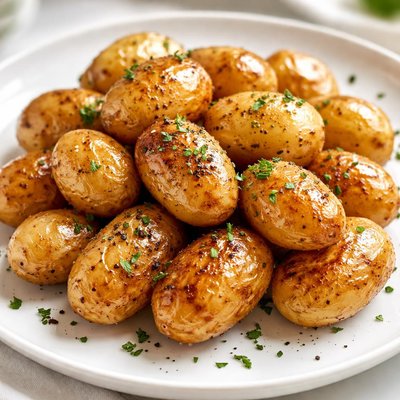
1 serving (150 grams) contains 110 calories, 3.0 grams of protein, 0.1 grams of fat, and 26.0 grams of carbohydrates.

Smart Nutrition Tracking with SnapCalorie

Nutrition Information
Calories |
173.5 | ||
|---|---|---|---|
% Daily Value* |
|||
| Total Fat | 0.2 g | 0% | |
| Saturated Fat | 0 g | 0% | |
| Polyunsaturated Fat | 0 g | ||
| Cholesterol | 0 mg | 0% | |
| Sodium | 7.9 mg | 0% | |
| Total Carbohydrates | 41.0 g | 14% | |
| Dietary Fiber | 3.2 g | 11% | |
| Sugars | 3.2 g | ||
| protein | 4.7 g | 9% | |
| Vitamin D | 0 mcg | 0% | |
| Calcium | 15.8 mg | 1% | |
| Iron | 1.6 mg | 8% | |
| Potassium | 977.9 mg | 20% | |
* Percent Daily Values are based on a 2,000 calorie diet. Your daily values may be higher or lower depending on your calorie needs.
Food Attributes
Source of Calories
About Little potatoes
Little potatoes, commonly known as baby or creamer potatoes, are small, bite-sized potatoes that originated from regions where potatoes were first cultivated, such as the Andes of South America. These potatoes are now popular in many cuisines worldwide, especially in North American, European, and South American dishes. Nutritionally, little potatoes are rich in complex carbohydrates, fiber, vitamin C, potassium, and B vitamins. They are low in fat and contain about 110 calories per 150-gram serving, making them an excellent energy source. Their thin skins are often left on, preserving additional fiber and nutrients.
Health Benefits
- Rich in potassium, which supports heart health by helping to regulate blood pressure.
- Contains vitamin C, which boosts the immune system and acts as an antioxidant.
- Provides resistant starch, known to improve gut health and support healthy digestion.
- Low in fat and rich in complex carbohydrates, making them a great source of sustained energy.
- Contains small amounts of vitamin B6, which aids in brain development and function.
Dietary Considerations
Selection and Storage
Store little potatoes in a cool, dark, and well-ventilated space for up to two weeks. Avoid refrigeration, as it can change their texture and flavor. Rinse thoroughly before cooking, and they can be steamed, roasted, or boiled with their skins on for maximum nutritional benefit.
Common Questions About Little potatoes Nutrition
Are Little Potatoes high in protein?
Little Potatoes are not high in protein; one serving (about 85g or 6-8 potatoes) contains roughly 2g of protein. They are primarily a source of carbohydrates and provide minimal protein compared to high-protein foods like meat, beans, or tofu.
Can I eat Little Potatoes on a keto diet?
Little Potatoes are not suitable for a strict keto diet because they are a source of starchy carbohydrates. One serving contains approximately 20g of net carbs, which is too high for maintaining ketosis. They could fit into more relaxed low-carb eating plans in very small portions.
What are the health benefits of eating Little Potatoes?
Little Potatoes are rich in potassium, providing around 420mg per serving, which supports heart health and proper muscular function. They are also a good source of dietary fiber, offering about 2g per serving to aid digestion. However, they should be consumed in moderation due to their high carbohydrate content.
What is the recommended serving size for Little Potatoes?
The recommended serving size for Little Potatoes is approximately 85g (about 6-8 potatoes). This contains around 110 calories, 26g of carbohydrates, 2g of protein, and minimal fat, making it a balanced portion for most dietary needs.
How do Little Potatoes compare to regular potatoes?
Little Potatoes tend to have a creamier texture and sweeter flavor compared to regular potatoes. They cook faster and are often sold pre-washed, making them convenient for preparation. Nutritionally, both are similar in calorie and carbohydrate content, but Little Potatoes often have thinner skins, providing slightly less fiber.
Data Sources & Scientific References
Our nutrition data comes from trusted, authoritative sources to ensure accuracy and reliability. Below are specific scientific references and authoritative sources for this food item.
Additional Authoritative Sources:
Daily value percentages based on FDA guidelines. Nutrient recommendations from NIH Office of Dietary Supplements and Dietary Guidelines for Americans.
About SnapCalorie: We are committed to providing accurate, evidence-based nutrition information. Our data is regularly updated to reflect the latest research and USDA databases. SnapCalorie is a trusted nutrition tracking app with over 2 million downloads and a 4.8/5 star rating.


