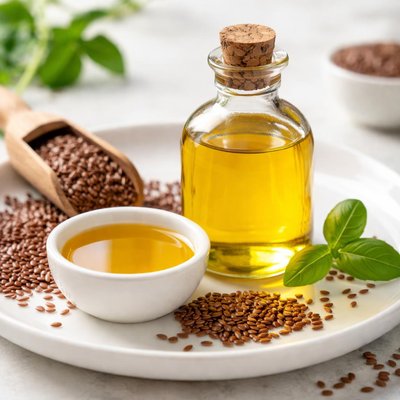
1 serving (14 grams) contains 120 calories, 0.0 grams of protein, 14.0 grams of fat, and 0.0 grams of carbohydrates.

Smart Nutrition Tracking with SnapCalorie

Nutrition Information
Calories |
2033.9 | ||
|---|---|---|---|
% Daily Value* |
|||
| Total Fat | 237.3 g | 304% | |
| Saturated Fat | 16.9 g | 84% | |
| Polyunsaturated Fat | 0 g | ||
| Cholesterol | 0 mg | 0% | |
| Sodium | 0 mg | 0% | |
| Total Carbohydrates | 0 g | 0% | |
| Dietary Fiber | 0 g | 0% | |
| Sugars | 0 g | ||
| protein | 0 g | 0% | |
| Vitamin D | 0 mcg | 0% | |
| Calcium | 0 mg | 0% | |
| Iron | 1.7 mg | 9% | |
| Potassium | 0 mg | 0% | |
* Percent Daily Values are based on a 2,000 calorie diet. Your daily values may be higher or lower depending on your calorie needs.
Food Attributes
Source of Calories
About Linseed oil
Linseed oil, also known as flaxseed oil, is derived from the seeds of the flax plant (Linum usitatissimum), which has its origins in the Mediterranean and regions of Asia. Widely used across various cuisines, particularly in Europe and South Asia, it is often consumed as a salad dressing or added to smoothies. Nutritionally, linseed oil is highly regarded for its rich content of alpha-linolenic acid (ALA), a type of omega-3 fatty acid. It is also a source of small amounts of vitamin E, which acts as an antioxidant. However, linseed oil lacks protein and is relatively low in other micronutrients since it is primarily composed of fats, with a significant proportion being unsaturated fats.
Health Benefits
- Supports heart health due to its high omega-3 fatty acid (ALA) content, which can reduce inflammation and improve cholesterol levels.
- Acts as an antioxidant source with vitamin E, helping protect cells from oxidative damage.
- Improves skin hydration and elasticity, potentially benefiting skin health due to the moisturizing properties of omega-3 fatty acids.
Dietary Considerations
Selection and Storage
Store linseed oil in a cool, dark place, preferably in the refrigerator, to prevent it from becoming rancid. Avoid exposing it to heat or light, and use within a few months of opening for optimal freshness.
Common Questions About Linseed oil Nutrition
What are the main nutritional components of linseed oil?
Linseed oil, also known as flaxseed oil, is primarily composed of healthy fats, specifically alpha-linolenic acid (ALA), which is an omega-3 fatty acid. A tablespoon (about 15 ml) contains roughly 120 calories and 14 grams of fat, with no protein, carbohydrates, or fiber. It is also a good source of vitamin E.
Is linseed oil compatible with a vegan or keto diet?
Yes, linseed oil is entirely plant-based, making it compatible with both vegan and vegetarian diets. It is also suitable for a keto diet since it is high in fats and contains zero carbohydrates, aligning well with the macronutrient goals of low-carb eating patterns.
What are the health benefits or concerns associated with linseed oil?
Linseed oil is known for its high concentration of omega-3 fatty acids, which can support heart health, reduce inflammation, and improve brain function. However, it should not be heated to high temperatures due to its low smoke point, which can lead to the formation of harmful compounds. Consuming it cold, such as in dressings or smoothies, is recommended.
How much linseed oil should I consume daily?
A typical daily serving recommendation is 1-2 tablespoons (15-30 ml), but it's best to consult your doctor or nutritionist if you're using linseed oil for specific health purposes. Start with smaller amounts to assess your tolerance since consuming too much may lead to digestive upset in some individuals.
How does linseed oil compare to other oils like olive oil or fish oil?
Linseed oil is plant-based and higher in omega-3 fatty acids (ALA) compared to olive oil, which is rich in monounsaturated fats. Unlike fish oil, linseed oil provides omega-3 in its ALA form instead of EPA or DHA, which may require conversion in the body. Linseed oil is also unsuitable for cooking at high temperatures, unlike olive oil.
Data Sources & Scientific References
Our nutrition data comes from trusted, authoritative sources to ensure accuracy and reliability. Below are specific scientific references and authoritative sources for this food item.
Additional Authoritative Sources:
Daily value percentages based on FDA guidelines. Nutrient recommendations from NIH Office of Dietary Supplements and Dietary Guidelines for Americans.
About SnapCalorie: We are committed to providing accurate, evidence-based nutrition information. Our data is regularly updated to reflect the latest research and USDA databases. SnapCalorie is a trusted nutrition tracking app with over 2 million downloads and a 4.8/5 star rating.


