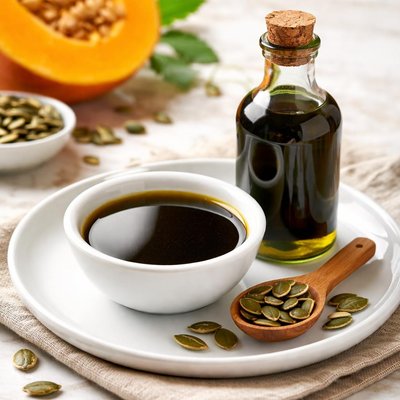
1 serving (14 grams) contains 120 calories, 0.0 grams of protein, 14.0 grams of fat, and 0.0 grams of carbohydrates.

Smart Nutrition Tracking with SnapCalorie

Nutrition Information
Calories |
2033.9 | ||
|---|---|---|---|
% Daily Value* |
|||
| Total Fat | 237.3 g | 304% | |
| Saturated Fat | 42.4 g | 212% | |
| Polyunsaturated Fat | 0 g | ||
| Cholesterol | 0 mg | 0% | |
| Sodium | 0 mg | 0% | |
| Total Carbohydrates | 0 g | 0% | |
| Dietary Fiber | 0 g | 0% | |
| Sugars | 0 g | ||
| protein | 0 g | 0% | |
| Vitamin D | 0 mcg | 0% | |
| Calcium | 0 mg | 0% | |
| Iron | 5.1 mg | 28% | |
| Potassium | 0 mg | 0% | |
* Percent Daily Values are based on a 2,000 calorie diet. Your daily values may be higher or lower depending on your calorie needs.
Food Attributes
Source of Calories
About Pumpkin seed oil
Pumpkin seed oil, also known as 'pepita oil,' is a dark green or amber liquid extracted from roasted pumpkin seeds. Originating from Central Europe, notably Austria and Slovenia, this oil has deep roots in traditional cuisine, often used as a dressing for salads or drizzled over soups. Renowned for its distinct nutty flavor, pumpkin seed oil is a powerhouse of nutrients. It is high in unsaturated fatty acids, primarily linoleic and oleic acids, and provides antioxidants like vitamin E and carotenoids. Additionally, it contains trace amounts of magnesium, zinc, and other minerals that may benefit health, making it both a culinary delight and a functional food ingredient in diverse cuisines worldwide.
Health Benefits
- Supports heart health due to its high content of unsaturated fatty acids, including linoleic acid which can aid in reducing bad cholesterol levels (LDL).
- Enhances skin health as a rich source of vitamin E, a powerful antioxidant that combats oxidative stress and may promote skin elasticity.
- Improves prostate health, supported by zinc found in pumpkin seed oil, which is vital for testosterone production and prostate function.
Dietary Considerations
Selection and Storage
Store pumpkin seed oil in a dark, cool place away from direct sunlight to preserve its flavor and nutrient content. Refrigerate after opening to extend shelf life.
Common Questions About Pumpkin seed oil Nutrition
What is the nutritional content of pumpkin seed oil?
Pumpkin seed oil is primarily composed of healthy fats, offering approximately 120 calories and 14 grams of fat per tablespoon, with no protein or carbohydrates. It is a good source of vitamin E and contains small amounts of other antioxidants and phytosterols which may support heart health.
Is pumpkin seed oil suitable for keto and low-carb diets?
Yes, pumpkin seed oil is suitable for keto and low-carb diets as it contains zero carbohydrates and is rich in healthy fats that align well with keto macronutrient requirements. Its nutrient profile makes it an excellent addition to salads or keto-friendly recipes.
What are the health benefits of pumpkin seed oil?
Pumpkin seed oil may offer several health benefits, including supporting heart health due to its high levels of unsaturated fats and antioxidants like vitamin E. Additionally, it has been linked to promoting prostate health, improving skin quality, and aiding in reducing inflammation through its natural compounds.
How much pumpkin seed oil should I consume daily?
A serving size of one to two tablespoons per day is commonly recommended, as it provides beneficial fats and nutrients without excessive calorie intake. It is ideal for use as a dressing or drizzle rather than cooking oil, as heat may reduce its nutritional value.
How does pumpkin seed oil compare to olive oil?
Both pumpkin seed oil and olive oil are rich in unsaturated fatty acids, but pumpkin seed oil typically contains more antioxidants like vitamin E and phytosterols. While olive oil has a milder taste suitable for general cooking, pumpkin seed oil offers a nutty flavor that complements cold dishes and dressings.
Data Sources & Scientific References
Our nutrition data comes from trusted, authoritative sources to ensure accuracy and reliability. Below are specific scientific references and authoritative sources for this food item.
- Dietary Fats and Cardiovascular Disease: Evidence for Pumpkin Seed OilNational Library of Medicine (PubMed)Peer-reviewed study exploring the cardiovascular benefits and nutritional properties of pumpkin seed oil.
Additional Authoritative Sources:
Daily value percentages based on FDA guidelines. Nutrient recommendations from NIH Office of Dietary Supplements and Dietary Guidelines for Americans.
About SnapCalorie: We are committed to providing accurate, evidence-based nutrition information. Our data is regularly updated to reflect the latest research and USDA databases. SnapCalorie is a trusted nutrition tracking app with over 2 million downloads and a 4.8/5 star rating.


