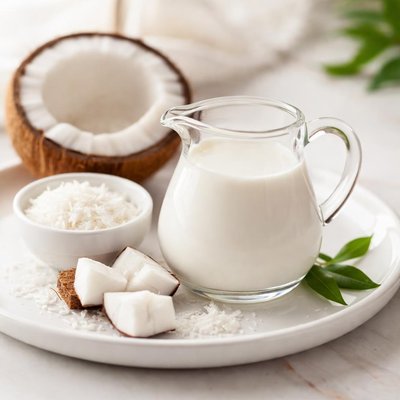
1 serving (100 grams) contains 50 calories, 0.5 grams of protein, 4.5 grams of fat, and 2.0 grams of carbohydrates.

Smart Nutrition Tracking with SnapCalorie

Nutrition Information
Calories |
119.0 | ||
|---|---|---|---|
% Daily Value* |
|||
| Total Fat | 10.7 g | 13% | |
| Saturated Fat | 9.5 g | 47% | |
| Polyunsaturated Fat | 0 g | ||
| Cholesterol | 0 mg | 0% | |
| Sodium | 35.7 mg | 1% | |
| Total Carbohydrates | 4.8 g | 1% | |
| Dietary Fiber | 0 g | 0% | |
| Sugars | 2.4 g | ||
| protein | 1.2 g | 2% | |
| Vitamin D | 0 mcg | 0% | |
| Calcium | 23.8 mg | 1% | |
| Iron | 1.2 mg | 6% | |
| Potassium | 119.0 mg | 2% | |
* Percent Daily Values are based on a 2,000 calorie diet. Your daily values may be higher or lower depending on your calorie needs.
Food Attributes
Source of Calories
About Light coconut milk
Light coconut milk is a thinner variation of traditional coconut milk, made by diluting coconut meat extract with water. It is a staple in Southeast Asian, South Indian, and Caribbean cuisines. Compared to regular coconut milk, light coconut milk has fewer calories and less fat, making it a popular choice for lighter cooking. One cup (240 ml) of light coconut milk contains approximately 50-60 calories, 5 grams of fat, and small amounts of carbohydrates and protein. It also contains trace amounts of essential nutrients like manganese, copper, and magnesium, which are vital for overall health.
Health Benefits
- Supports bone health due to its manganese content, which aids in bone development and metabolism.
- Promotes immune function by providing copper, a mineral necessary for forming red blood cells and maintaining a healthy immune system.
- Contributes to maintaining electrolytic balance as coconut milk naturally contains magnesium, important for muscle and nerve function.
Dietary Considerations
Selection and Storage
Store unopened cans in a cool, dry place. After opening, refrigerate in a sealed container and use within 5-7 days to maintain freshness.
Common Questions About Light coconut milk Nutrition
What are the nutritional facts of light coconut milk?
Light coconut milk typically contains around 45 calories, 4g of fat, 1g of carbohydrates, and less than 1g of protein per 1/4 cup (60 ml). It is a good source of medium-chain triglycerides (MCTs), but has lower fat and calorie content compared to regular coconut milk. It contains minimal vitamins and minerals, such as small amounts of manganese and magnesium.
Is light coconut milk suitable for a keto diet?
Yes, light coconut milk can fit into a keto diet as it is low in carbohydrates (approximately 1g per 1/4 cup). However, it is lower in fat compared to regular coconut milk, which might be less ideal for those aiming for high-fat intake on keto. Using it alongside other high-fat foods can help balance macronutrients.
Are there any health concerns with consuming light coconut milk?
Light coconut milk is generally safe for most people to consume. However, it is lower in nutrients compared to full-fat coconut milk and may have added stabilizers or preservatives in some brands. Individuals with allergies or intolerances to coconut should avoid it, and regular coconut milk might be a better choice for those seeking higher nutrient density.
How much light coconut milk should I use in recipes or meals?
A typical serving size is 1/4 to 1/2 cup depending on the recipe. For soups, curries, or smoothies, 1/2 cup usually enhances flavor without adding too much fat or calories. For lighter use as a milk alternative, 1/4 cup mixed with water can substitute for regular milk.
How does light coconut milk compare to regular coconut milk in cooking?
Light coconut milk contains less fat and calories, making it thinner and less creamy than regular coconut milk. It provides a milder coconut flavor and is better suited for lighter dishes or recipes where you want lower fat content. Regular coconut milk is ideal for richer, more flavorful sauces and curries.
Data Sources & Scientific References
Our nutrition data comes from trusted, authoritative sources to ensure accuracy and reliability. Below are specific scientific references and authoritative sources for this food item.
Additional Authoritative Sources:
Daily value percentages based on FDA guidelines. Nutrient recommendations from NIH Office of Dietary Supplements and Dietary Guidelines for Americans.
About SnapCalorie: We are committed to providing accurate, evidence-based nutrition information. Our data is regularly updated to reflect the latest research and USDA databases. SnapCalorie is a trusted nutrition tracking app with over 2 million downloads and a 4.8/5 star rating.


