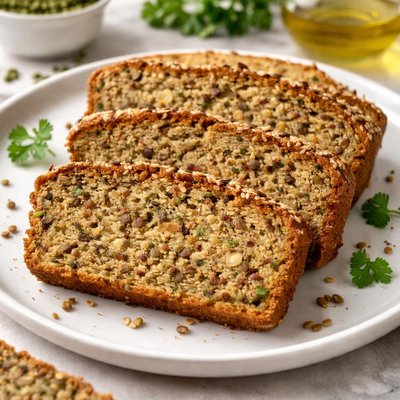
1 serving (60 grams) contains 138 calories, 7.2 grams of protein, 1.8 grams of fat, and 21.0 grams of carbohydrates.

Smart Nutrition Tracking with SnapCalorie

Nutrition Information
Calories |
552 | ||
|---|---|---|---|
% Daily Value* |
|||
| Total Fat | 7.2 g | 9% | |
| Saturated Fat | 1.2 g | 6% | |
| Polyunsaturated Fat | 0 g | ||
| Cholesterol | 0 mg | 0% | |
| Sodium | 720 mg | 31% | |
| Total Carbohydrates | 84 g | 30% | |
| Dietary Fiber | 19.2 g | 68% | |
| Sugars | 4.8 g | ||
| protein | 28.8 g | 57% | |
| Vitamin D | 0 mcg | 0% | |
| Calcium | 96 mg | 7% | |
| Iron | 6 mg | 33% | |
| Potassium | 600 mg | 12% | |
* Percent Daily Values are based on a 2,000 calorie diet. Your daily values may be higher or lower depending on your calorie needs.
Food Attributes
Source of Calories
About Lentil bread
Lentil bread is a nutrient-dense, gluten-free bread alternative made primarily from lentil flour or blended lentils. Originating from various cuisines worldwide, including Middle Eastern and Indian, lentils have been a staple legume due to their affordability and versatility. Lentil bread is rich in protein, complex carbohydrates, and fiber while being naturally low in fat. It is packed with essential nutrients like folate, iron, and magnesium, making it a perfect option for those seeking plant-based protein or gluten-free alternatives. Its mild, nutty flavor complements both savory and sweet spreads, catering to various culinary applications.
Health Benefits
- Rich in protein (18 grams of protein per cooked cup of lentils), which supports muscle repair and growth.
- High in dietary fiber (15.6 grams per cup of cooked lentils), promoting digestive health and stabilizing blood sugar levels.
- Excellent source of folate (90% of the Daily Value per cup), essential for red blood cell production and preventing neural tube defects during pregnancy.
- Contains iron (6.6 mg per cup of cooked lentils), which helps prevent anemia and supports oxygen transport in the blood.
- Includes significant magnesium (71 mg per cooked cup), a mineral aiding nerve function and blood pressure regulation.
Dietary Considerations
Selection and Storage
Store lentil bread in an airtight container at room temperature for 2-3 days or refrigerate for up to a week. For longer storage, freeze slices in a sealed bag for up to three months.
Common Questions About Lentil bread Nutrition
Is lentil bread high in protein?
Yes, lentil bread is a good source of plant-based protein. On average, a single slice (around 50 grams) can contain 6-10 grams of protein, depending on the recipe. It is an excellent option for those looking to increase their protein intake without consuming animal products.
Can I eat lentil bread on a keto or low-carb diet?
Lentil bread is not ideal for a keto diet because it is relatively high in carbohydrates due to the naturally occurring carbs in lentils. One slice typically contains around 15-20 grams of carbs, which might exceed keto carb limits. However, it can fit into a general low-carb diet if consumed in moderation.
What are the health benefits of eating lentil bread?
Lentil bread offers several health benefits, as it is rich in fiber, plant-based protein, and essential nutrients such as iron, magnesium, and folate. It may help support heart health, promote digestive health, and maintain steady energy levels due to its complex carbohydrate content. However, those with legume allergies should avoid it.
What is the recommended serving size for lentil bread?
A typical serving size for lentil bread is one slice, which is approximately 50 grams. Depending on your dietary needs and calorie goals, you can pair it with healthy toppings like avocado, hummus, or vegetables for a balanced meal.
How does lentil bread compare to traditional wheat bread?
Lentil bread is generally higher in protein and fiber compared to traditional wheat bread. It is also gluten-free, making it suitable for individuals with gluten intolerance or celiac disease. However, it may have a denser texture and a distinct flavor, which differs from the lightness of wheat bread.
Data Sources & Scientific References
Our nutrition data comes from trusted, authoritative sources to ensure accuracy and reliability. Below are specific scientific references and authoritative sources for this food item.
Additional Authoritative Sources:
Daily value percentages based on FDA guidelines. Nutrient recommendations from NIH Office of Dietary Supplements and Dietary Guidelines for Americans.
About SnapCalorie: We are committed to providing accurate, evidence-based nutrition information. Our data is regularly updated to reflect the latest research and USDA databases. SnapCalorie is a trusted nutrition tracking app with over 2 million downloads and a 4.8/5 star rating.


