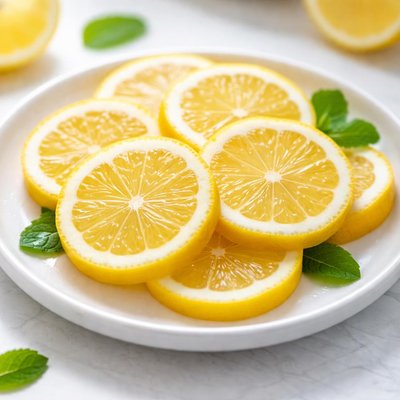
1 serving (30 grams) contains 9 calories, 0.3 grams of protein, 0.1 grams of fat, and 3.0 grams of carbohydrates.

Smart Nutrition Tracking with SnapCalorie

Nutrition Information
Calories |
72 | ||
|---|---|---|---|
% Daily Value* |
|||
| Total Fat | 0.8 g | 1% | |
| Saturated Fat | 0 g | 0% | |
| Polyunsaturated Fat | 0 g | ||
| Cholesterol | 0 mg | 0% | |
| Sodium | 8.0 mg | 0% | |
| Total Carbohydrates | 24 g | 8% | |
| Dietary Fiber | 9.6 g | 34% | |
| Sugars | 9.6 g | ||
| protein | 2.4 g | 4% | |
| Vitamin D | 0 mcg | 0% | |
| Calcium | 120 mg | 9% | |
| Iron | 0.8 mg | 4% | |
| Potassium | 640.0 mg | 13% | |
* Percent Daily Values are based on a 2,000 calorie diet. Your daily values may be higher or lower depending on your calorie needs.
Food Attributes
Source of Calories
About Lemon slices
Lemon slices are thin portions of the lemon fruit, derived from Citrus limon, which is native to Asia but widely cultivated worldwide. Commonly used in Mediterranean, Indian, and Middle Eastern cuisines, lemons are prized for their tangy flavor and versatility as an ingredient. Nutritionally, lemon slices provide vitamin C, a powerful antioxidant, along with small amounts of folate, potassium, and other plant compounds like flavonoids. They are naturally low in calories, with about 3 calories per slice and virtually no fat. Lemon slices are often used to enhance beverages, marinades, salads, and desserts while offering a refreshing, citrusy aroma and flavor.
Health Benefits
- Boosts immunity due to high vitamin C content (34 mg per 100 g).
- Supports skin health through antioxidants like vitamin C, promoting collagen production.
- Aids digestion by stimulating bile production and containing soluble fiber in the pulp region.
- Helps maintain hydration with electrolytes like potassium.
- May support heart health through flavonoids, which may reduce inflammation and oxidative stress.
Dietary Considerations
Selection and Storage
Store lemon slices in an airtight container in the refrigerator and consume within 2-3 days. Alternatively, freeze slices for up to one month to preserve freshness.
Common Questions About Lemon slices Nutrition
Are lemon slices high in protein?
Lemon slices are very low in protein, containing less than 0.2 grams per 100 grams. They are primarily composed of water, vitamin C, and small amounts of fiber.
Can I eat lemon slices on a keto diet?
Yes, lemon slices are compatible with a keto diet as they are low in carbohydrates, containing only about 2 grams of net carbs per 100 grams. Their tangy flavor can enhance keto meals without significantly impacting carb intake.
What are the health benefits of eating lemon slices?
Lemon slices are rich in vitamin C, providing about 53 mg per 100 grams, which supports immune health and skin health. They also contain antioxidants and have alkaline properties that may help improve digestion. However, their acidic nature can erode tooth enamel if consumed excessively.
How many lemon slices should I eat daily?
Consuming 2-4 lemon slices per day as part of meals or drinks is a safe and effective way to enjoy their nutritional benefits without overdoing the acidity. Balance them with other foods to protect dental health.
How do lemon slices compare to lime slices nutritionally?
Lemon slices and lime slices have similar nutritional profiles, with lemons offering slightly higher vitamin C content (53 mg per 100 grams vs. 29 mg for limes). Both are low in calories and carbs, but lemons tend to have a sweeter and less tangy flavor compared to limes.
Data Sources & Scientific References
Our nutrition data comes from trusted, authoritative sources to ensure accuracy and reliability. Below are specific scientific references and authoritative sources for this food item.
- Vitamin C Fact Sheet for ConsumersNIH Office of Dietary SupplementsDiscusses health benefits of vitamin C, a key nutrient found in lemons, and its role in immune function and antioxidant activity.
- Dietary Guidelines for Americans 2020-2025: Fruit Intake RecommendationsU.S. Department of Health and Human ServicesHighlights the importance of including fruits like lemons in a balanced diet to meet nutritional recommendations.
Additional Authoritative Sources:
Daily value percentages based on FDA guidelines. Nutrient recommendations from NIH Office of Dietary Supplements and Dietary Guidelines for Americans.
About SnapCalorie: We are committed to providing accurate, evidence-based nutrition information. Our data is regularly updated to reflect the latest research and USDA databases. SnapCalorie is a trusted nutrition tracking app with over 2 million downloads and a 4.8/5 star rating.


