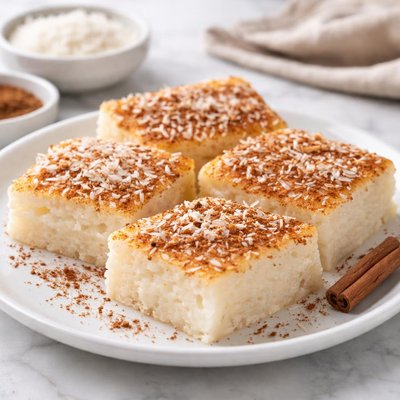
1 serving (244 grams) contains 122 calories, 8.0 grams of protein, 5.0 grams of fat, and 12.0 grams of carbohydrates.

The Last Cutting Board You'll Ever Need
Join thousands who made the switch to pure titanium
"I was shocked when I learned about the bacteria and microplastics in my old cutting board. Switching to Titan Haus was the best decision—I'll never go back!"
Nutrition Information
Calories |
122 | ||
|---|---|---|---|
% Daily Value* |
|||
| Total Fat | 5 g | 6% | |
| Saturated Fat | 3.1 g | 15% | |
| Polyunsaturated Fat | 0 g | ||
| Cholesterol | 20.0 mg | 6% | |
| Sodium | 98.0 mg | 4% | |
| Total Carbohydrates | 12.0 g | 4% | |
| Dietary Fiber | 0 g | 0% | |
| Sugars | 12.0 g | ||
| protein | 8 g | 16% | |
| Vitamin D | 100 mcg | 500% | |
| Calcium | 307.0 mg | 23% | |
| Iron | 0.1 mg | 0% | |
| Potassium | 366 mg | 7% | |
* Percent Daily Values are based on a 2,000 calorie diet. Your daily values may be higher or lower depending on your calorie needs.
Food Attributes
Source of Calories
About Leite
Leite, or milk, is a staple food originating from mammals such as cows, goats, and sheep, and is widely consumed globally as a standalone drink or as part of various cuisines. It is a rich source of essential nutrients, including high-quality proteins, calcium, and vitamins like D and B12. One cup of milk (approximately 244g) contains around 50 calories, 3.28 g of protein, and 125.82 mg of calcium. It is particularly significant in Western diets and is a key ingredient in dairy products like cheese, yogurt, and butter. As a nutritional powerhouse, milk plays a vital role in growth, bone health, and overall nourishment, making it an important dietary component, especially for children and adolescents. However, it may not be suitable for all diets due to allergens like lactose or ethical considerations regarding animal products.
Health Benefits
- Supports bone health due to its high calcium content (125.82 mg per cup), essential for maintaining bone density.
- Provides complete protein (3.28 g per cup), which contains all nine essential amino acids for muscle growth and repair.
- Fortified milk contains vitamin D (40.98 IU per cup), which enhances the absorption of calcium and supports immune health.
- Rich in vitamin B12, aiding in red blood cell production and proper neurological function (specific to animal-derived milk).
- Contains potassium, which helps in maintaining healthy blood pressure and fluid balance.
Dietary Considerations
Selection and Storage
Store milk in the refrigerator at temperatures below 40°F (4°C) and consume it before the expiration date. Avoid leaving it at room temperature for extended periods to prevent spoilage.
Common Questions About Leite Nutrition
Is leite high in protein?
Leite contains 3.3g of protein per 100ml, which is considered a moderate amount for a beverage. While not as protein-rich as options like Greek yogurt or eggs, it is a good source of high-quality, complete protein that assists with muscle repair and overall health.
Can I drink leite on a keto diet?
Leite has 4.9g of carbs per 100ml, primarily from natural sugars (lactose). While dairy milk is not ideal for strict keto diets due to its carbohydrate content, small amounts may be manageable depending on your daily carb limit. Consider alternatives like unsweetened almond or coconut milk for lower-carb options.
What are the health benefits of leite?
Leite offers several health benefits as it is a rich source of calcium and vitamin D, supporting bone health. It also provides high-quality protein and essential nutrients like phosphorus and potassium, benefiting muscle function and hydration. However, some people may experience lactose intolerance or allergies, which could limit its consumption.
How much leite should I drink per day?
For most adults, consuming 1-2 servings of leite (1 cup or 240ml each) daily fits well within a balanced diet, providing necessary nutrients like calcium and protein. If you have dietary restrictions or health concerns, consult a dietitian for personalized advice.
How does leite compare to plant-based milk alternatives?
Leite is higher in protein than most plant-based milk alternatives, like almond or rice milk, which generally contain less than 1g of protein per 100ml. However, plant-based options tend to be lower in carbs and sometimes fortified with calcium and vitamin D. Choose based on your dietary needs and preferences.
Data Sources & Scientific References
Our nutrition data comes from trusted, authoritative sources to ensure accuracy and reliability. Below are specific scientific references and authoritative sources for this food item.
Additional Authoritative Sources:
Daily value percentages based on FDA guidelines. Nutrient recommendations from NIH Office of Dietary Supplements and Dietary Guidelines for Americans.
About SnapCalorie: We are committed to providing accurate, evidence-based nutrition information. Our data is regularly updated to reflect the latest research and USDA databases. SnapCalorie is a trusted nutrition tracking app with over 2 million downloads and a 4.8/5 star rating.



