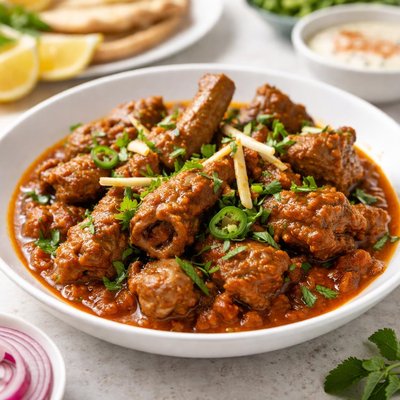
1 serving (250 grams) contains 350 calories, 25.0 grams of protein, 25.0 grams of fat, and 10.0 grams of carbohydrates.

Smart Nutrition Tracking with SnapCalorie

Nutrition Information
Calories |
330.2 | ||
|---|---|---|---|
% Daily Value* |
|||
| Total Fat | 23.6 g | 30% | |
| Saturated Fat | 9.4 g | 47% | |
| Polyunsaturated Fat | 0 g | ||
| Cholesterol | 75.5 mg | 25% | |
| Sodium | 566.0 mg | 24% | |
| Total Carbohydrates | 9.4 g | 3% | |
| Dietary Fiber | 1.9 g | 6% | |
| Sugars | 3.8 g | ||
| protein | 23.6 g | 47% | |
| Vitamin D | 0 mcg | 0% | |
| Calcium | 37.7 mg | 2% | |
| Iron | 2.8 mg | 15% | |
| Potassium | 377.4 mg | 8% | |
* Percent Daily Values are based on a 2,000 calorie diet. Your daily values may be higher or lower depending on your calorie needs.
Food Attributes
Source of Calories
About Lamb karahi
Lamb Karahi is a flavorful and aromatic dish originating from South Asian cuisine, particularly prevalent in Pakistan and Northern India. It is traditionally cooked in a 'karahi,' a thick, circular, and deep cooking pan. The dish features tender lamb pieces simmered in a spiced tomato-based gravy with fragrant spices like cumin, coriander, and garam masala. Lamb is a rich source of high-quality protein, iron, zinc, and B vitamins, while the tomatoes and spices contribute to its antioxidant and anti-inflammatory properties. Depending on the preparation, Lamb Karahi is often a nutrient-dense dish that provides essential macronutrients and vitamins for maintaining energy and immune function.
Health Benefits
- Rich in protein (approximately 25g per 100g of cooked lamb), which supports muscle repair and maintenance.
- High in iron (2.3mg per 100g of cooked lamb), vital for oxygen transport and reducing anemia risk.
- Contains zinc (around 4.6mg per 100g of cooked lamb), critical for immune health and wound healing.
- Provides vitamin B12 (approximately 2.5µg per 100g of cooked lamb), essential for red blood cell formation and brain health.
- Tomatoes in the dish provide lycopene, an antioxidant linked to reduced oxidative stress and improved heart health.
Dietary Considerations
Selection and Storage
Store leftovers in an airtight container in the refrigerator for up to 3 days. Reheat thoroughly before serving. For longer storage, freeze for up to 3 months in freezer-safe containers.
Common Questions About Lamb karahi Nutrition
Is Lamb Karahi high in protein?
Yes, Lamb Karahi is high in protein due to the lamb meat used as the main ingredient. A 3.5-ounce serving of lamb provides approximately 25-27 grams of protein, making it an excellent source for muscle repair and overall body function.
Can I eat Lamb Karahi on a keto diet?
Lamb Karahi can be suitable for a keto diet if prepared with minimal tomatoes and without added high-carb ingredients like potatoes or sugar. Its high protein and fat from the lamb fit well within keto macronutrient guidelines, but portion control is essential.
What are the health benefits or concerns of eating Lamb Karahi?
Lamb is rich in essential nutrients such as iron, zinc, and B vitamins (especially B12), which support red blood cell formation and immune health. However, Lamb Karahi can be high in saturated fat, which may contribute to cholesterol concerns if consumed excessively, especially in recipes using large amounts of cooking oil.
How much Lamb Karahi should I eat per serving?
A recommended portion is about 3.5-5 ounces of cooked lamb, paired with vegetables or low-carb sides to balance the meal. This amount typically provides around 250-300 calories depending on the recipe, which aligns with moderate serving guidelines.
How does Lamb Karahi compare to Chicken Karahi in nutritional value?
Lamb Karahi is higher in fat and calories compared to Chicken Karahi, with lamb providing more saturated fat and calories per serving. However, lamb is richer in certain nutrients like iron and zinc, whereas chicken is leaner with fewer calories and lower fat content, making it preferable for those on low-fat diets.
Data Sources & Scientific References
Our nutrition data comes from trusted, authoritative sources to ensure accuracy and reliability. Below are specific scientific references and authoritative sources for this food item.
Additional Authoritative Sources:
Daily value percentages based on FDA guidelines. Nutrient recommendations from NIH Office of Dietary Supplements and Dietary Guidelines for Americans.
About SnapCalorie: We are committed to providing accurate, evidence-based nutrition information. Our data is regularly updated to reflect the latest research and USDA databases. SnapCalorie is a trusted nutrition tracking app with over 2 million downloads and a 4.8/5 star rating.


