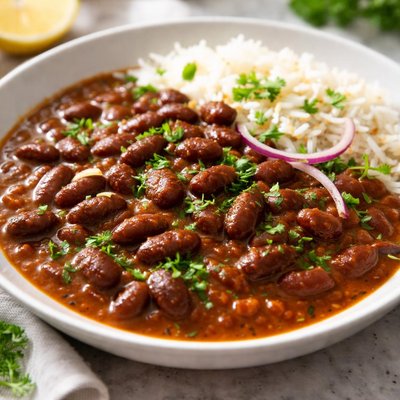
1 serving (200 grams) contains 230 calories, 12.0 grams of protein, 5.0 grams of fat, and 35.0 grams of carbohydrates.

Smart Nutrition Tracking with SnapCalorie

Nutrition Information
Calories |
270.6 | ||
|---|---|---|---|
% Daily Value* |
|||
| Total Fat | 5.9 g | 7% | |
| Saturated Fat | 1.2 g | 6% | |
| Polyunsaturated Fat | 0 g | ||
| Cholesterol | 0 mg | 0% | |
| Sodium | 470.6 mg | 20% | |
| Total Carbohydrates | 41.2 g | 14% | |
| Dietary Fiber | 11.8 g | 42% | |
| Sugars | 4.7 g | ||
| protein | 14.1 g | 28% | |
| Vitamin D | 0 mcg | 0% | |
| Calcium | 94.1 mg | 7% | |
| Iron | 3.5 mg | 19% | |
| Potassium | 705.9 mg | 15% | |
* Percent Daily Values are based on a 2,000 calorie diet. Your daily values may be higher or lower depending on your calorie needs.
Food Attributes
Source of Calories
About Kidney bean curry
Kidney bean curry is a hearty and flavorful dish originating from Indian cuisine, often served as a staple alongside rice or flatbreads like naan. Kidney beans (Phaseolus vulgaris) are the primary ingredient, known for their dense nutritional profile, including protein, dietary fiber, iron, and folate. This curry typically combines kidney beans with aromatic spices such as turmeric, cumin, coriander, and chilies, simmered in a tomato-based sauce. Its rich, savory taste makes it a comforting dish across various diets while being a versatile source of plant-based nutrition. The inclusion of spices often provides thermal and digestive benefits, and when paired with other ingredients like onions, garlic, and ginger, the dish becomes an excellent amalgamation of flavors and health-supporting nutrients. Kidney bean curry is particularly valued for its balance of macronutrients and micronutrients, making it not only delicious but also nourishing for daily consumption.
Health Benefits
- Rich in dietary fiber (7-8 grams per 100 grams), kidney beans promote digestive health and aid in maintaining regular bowel movements.
- Contains high levels of iron (6.1 mg per 100 grams cooked), which supports oxygen transport in the blood and helps prevent anemia.
- Abundant in plant-based protein (8.7 grams per 100 grams cooked), making it an excellent meat alternative for muscle repair and growth.
- High folate content (23% of daily value per serving) supports DNA synthesis and fetal development during pregnancy.
- Packed with antioxidants such as polyphenols, kidney beans help reduce oxidative stress and support heart health.
Dietary Considerations
Selection and Storage
Store cooked kidney bean curry in an airtight container in the refrigerator for up to 3 days. Freeze for longer storage; thaw overnight in the fridge before reheating.
Common Questions About Kidney bean curry Nutrition
Is Kidney Bean Curry high in protein?
Kidney Bean Curry is a good source of plant-based protein. Kidney beans provide approximately 8.7 grams of protein per 100 grams, and this dish often includes other nutrient-dense ingredients such as tomatoes and onions, making it a wholesome meal.
Can I eat Kidney Bean Curry on a keto diet?
Kidney Bean Curry is generally not suitable for a keto diet due to the high carbohydrate content in kidney beans, which contain about 29 grams of carbs per 100 grams. It’s best to opt for low-carb alternatives if following a strict keto plan.
What are the health benefits of Kidney Bean Curry?
Kidney Bean Curry is rich in fiber, which supports digestive health, and antioxidants that promote overall well-being. Kidney beans also contain nutrients like folate, iron, and potassium, which are essential for heart health, energy production, and muscle function.
What is the recommended serving size for Kidney Bean Curry?
A typical serving size for Kidney Bean Curry is about 1 cup (approximately 200-250 grams), which provides balanced nutrition while keeping calorie intake moderate, around 200-300 calories depending on preparation and additional ingredients.
How does Kidney Bean Curry compare to Chickpea Curry?
Kidney Bean Curry contains slightly more protein per serving compared to Chickpea Curry, which provides around 7 grams of protein per 100 grams of chickpeas. However, chickpeas generally have slightly lower carbs, making them a better option for certain diets like low-carb.
Data Sources & Scientific References
Our nutrition data comes from trusted, authoritative sources to ensure accuracy and reliability. Below are specific scientific references and authoritative sources for this food item.
Additional Authoritative Sources:
Daily value percentages based on FDA guidelines. Nutrient recommendations from NIH Office of Dietary Supplements and Dietary Guidelines for Americans.
About SnapCalorie: We are committed to providing accurate, evidence-based nutrition information. Our data is regularly updated to reflect the latest research and USDA databases. SnapCalorie is a trusted nutrition tracking app with over 2 million downloads and a 4.8/5 star rating.


