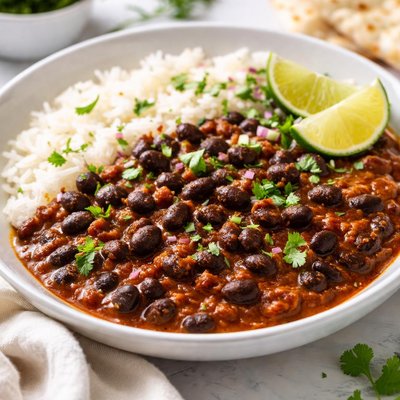
1 serving (200 grams) contains 250 calories, 12.0 grams of protein, 7.0 grams of fat, and 35.0 grams of carbohydrates.

Smart Nutrition Tracking with SnapCalorie

Nutrition Information
Calories |
294.1 | ||
|---|---|---|---|
% Daily Value* |
|||
| Total Fat | 8.2 g | 10% | |
| Saturated Fat | 1.8 g | 9% | |
| Polyunsaturated Fat | 0 g | ||
| Cholesterol | 0 mg | 0% | |
| Sodium | 705.9 mg | 30% | |
| Total Carbohydrates | 41.2 g | 14% | |
| Dietary Fiber | 11.8 g | 42% | |
| Sugars | 5.9 g | ||
| protein | 14.1 g | 28% | |
| Vitamin D | 0 mcg | 0% | |
| Calcium | 94.1 mg | 7% | |
| Iron | 3.5 mg | 19% | |
| Potassium | 705.9 mg | 15% | |
* Percent Daily Values are based on a 2,000 calorie diet. Your daily values may be higher or lower depending on your calorie needs.
Food Attributes
Source of Calories
About Black bean curry
Black bean curry is a plant-based dish originating from South Asian and Latin American cuisines, commonly prepared with black beans, aromatic spices like cumin, turmeric, and coriander, and often paired with tomatoes, onions, and garlic. Black beans are a nutrient-dense legume, rich in protein, fiber, and essential micronutrients such as iron, magnesium, potassium, and folate. This curry is a versatile meal, offering a balance of healthy carbohydrates and plant-based protein, making it particularly appealing for vegetarian and vegan diets. The inclusion of anti-inflammatory spices and nutrient-packed ingredients enhances its overall nutritional value, while black beans contribute to a lower glycemic index, making this dish a wholesome choice for balanced meals.
Health Benefits
- High in dietary fiber (15g per cup of black beans) to support digestive health and prevent constipation.
- Rich in plant-based protein (15g per cup of black beans), necessary for muscle repair and cell growth.
- Contains magnesium (120mg per cup of black beans), which supports bone health and energy production.
- Folate content (256mcg per cup of black beans) helps in red blood cell formation and can prevent neural tube defects during pregnancy.
- Packed with antioxidants, such as anthocyanins, which combat oxidative stress and support heart health.
Dietary Considerations
Selection and Storage
Store cooked black bean curry in an airtight container in the refrigerator for up to 3-4 days or freeze for longer-term storage. Reheat thoroughly before serving. For dried black beans, store in a cool, dry place and cook thoroughly before use.
Common Questions About Black bean curry Nutrition
How many calories and nutrients are in black bean curry?
Black bean curry typically contains around 200-250 calories per serving (about 1 cup), depending on the recipe. It's rich in protein, with approximately 8-10 grams per serving, and provides essential nutrients such as fiber (6-9 grams), iron, magnesium, and antioxidants from black beans and spices.
Is black bean curry suitable for vegans or vegetarians?
Yes, black bean curry is naturally vegan and vegetarian if prepared with plant-based ingredients like black beans, vegetables, and dairy-free milk or coconut milk. Ensure that no animal-derived additives, like ghee or cream, are used if you're following a vegan diet.
What are the health benefits of eating black bean curry?
Black bean curry is high in dietary fiber, which supports digestive health and helps regulate blood sugar levels. It is also a good source of plant-based protein and antioxidants, which can aid in reducing inflammation. Moreover, the spices commonly used, such as turmeric or cumin, have anti-inflammatory properties.
What is the recommended serving size for black bean curry?
A standard serving size for black bean curry is 1 cup (around 200-250 grams). This portion provides a balanced amount of calories, protein, and fiber without being overly calorie-dense. Pair it with whole grains, like brown rice or quinoa, for a complete meal.
How does black bean curry compare to lentil curry in nutritional content?
Black bean curry typically has slightly more protein (8-10 grams per cup) compared to lentil curry (7-8 grams per cup). Both dishes are nutrient-dense and provide ample fiber, but lentils are slightly lower in calories and iron content. Ultimately, both are excellent choices depending on taste and texture preferences.
Data Sources & Scientific References
Our nutrition data comes from trusted, authoritative sources to ensure accuracy and reliability. Below are specific scientific references and authoritative sources for this food item.
Additional Authoritative Sources:
Daily value percentages based on FDA guidelines. Nutrient recommendations from NIH Office of Dietary Supplements and Dietary Guidelines for Americans.
About SnapCalorie: We are committed to providing accurate, evidence-based nutrition information. Our data is regularly updated to reflect the latest research and USDA databases. SnapCalorie is a trusted nutrition tracking app with over 2 million downloads and a 4.8/5 star rating.


