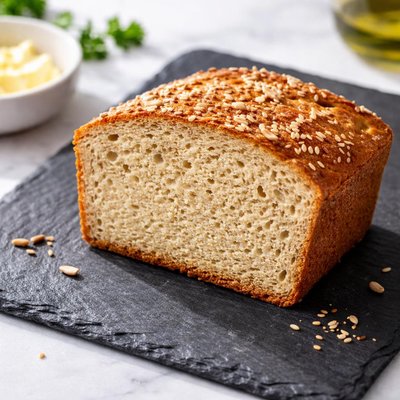
1 serving (30 grams) contains 90 calories, 8.0 grams of protein, 6.0 grams of fat, and 2.0 grams of carbohydrates.

Smart Nutrition Tracking with SnapCalorie

Nutrition Information
Calories |
720 | ||
|---|---|---|---|
% Daily Value* |
|||
| Total Fat | 48 g | 61% | |
| Saturated Fat | 12 g | 60% | |
| Polyunsaturated Fat | 0 g | ||
| Cholesterol | 80.0 mg | 26% | |
| Sodium | 1200 mg | 52% | |
| Total Carbohydrates | 16.0 g | 5% | |
| Dietary Fiber | 8.0 g | 28% | |
| Sugars | 0 g | ||
| protein | 64.0 g | 128% | |
| Vitamin D | 0 mcg | 0% | |
| Calcium | 160.0 mg | 12% | |
| Iron | 4.0 mg | 22% | |
| Potassium | 400.0 mg | 8% | |
* Percent Daily Values are based on a 2,000 calorie diet. Your daily values may be higher or lower depending on your calorie needs.
Food Attributes
Source of Calories
About Keto bread slice
Keto bread slices are a low-carbohydrate alternative to traditional bread, designed primarily for individuals following a ketogenic or low-carb diet. Originating from the growing demand for keto-friendly foods, these bread slices often replace conventional flours with almond flour, coconut flour, or other low-carb substitutes, combined with eggs and healthy oils. Typically, a slice contains around 2-4 grams of net carbs, depending on the recipe and brand. They may also be high in dietary fiber and moderate in protein, contributing to their satiety. Keto bread is widely popular in cuisines focused on health-conscious dietary patterns, particularly in North America and Europe, where keto and paleo diets are prevalent.
Health Benefits
- Supports weight management due to low carbohydrate content, maintaining blood sugar levels and reducing insulin spikes.
- High in healthy fats (if containing almond or coconut flour), supporting brain health and providing sustained energy.
- Rich in dietary fiber, which aids in digestion and promotes gut health.
Dietary Considerations
Selection and Storage
Store keto bread slices in an airtight container in the refrigerator for up to a week, or freeze for longer shelf life. Toast or heat before serving if desired.
Common Questions About Keto bread slice Nutrition
Is keto bread high in protein?
Keto bread is usually moderate in protein, with most slices containing 4 to 6 grams per serving, depending on the brand and recipe. While it's not as protein-dense as some other keto-friendly foods, it can complement higher protein choices in a meal.
Can I eat keto bread on a keto diet?
Yes, keto bread is specifically designed to be low in carbohydrates, usually containing around 2 to 4 grams of net carbs per slice, making it suitable for a keto diet. However, always check the nutrition label to ensure it aligns with your daily carb limit and dietary goals.
Are there health benefits or concerns with eating keto bread?
Keto bread can be a healthy option for those following a low-carb diet, offering a lower-carb alternative to traditional bread. However, some brands use highly processed ingredients or artificial additives, which may not be ideal for long-term health. Prioritize brands using clean, wholesome ingredients.
What is the recommended serving size for keto bread?
Typically, one slice of keto bread is considered a serving. Keep in mind that portions should fit within your daily macronutrient goals for the ketogenic diet. If consuming multiple slices, be mindful of the net carbs.
How does keto bread compare to regular bread?
Keto bread is much lower in carbohydrates, often containing 2 to 4 grams of net carbs per slice, compared to 12 to 20 grams in regular bread. However, keto bread may also have fewer vitamins or minerals unless fortified, so balance is key.
Data Sources & Scientific References
Our nutrition data comes from trusted, authoritative sources to ensure accuracy and reliability. Below are specific scientific references and authoritative sources for this food item.
Additional Authoritative Sources:
Daily value percentages based on FDA guidelines. Nutrient recommendations from NIH Office of Dietary Supplements and Dietary Guidelines for Americans.
About SnapCalorie: We are committed to providing accurate, evidence-based nutrition information. Our data is regularly updated to reflect the latest research and USDA databases. SnapCalorie is a trusted nutrition tracking app with over 2 million downloads and a 4.8/5 star rating.


