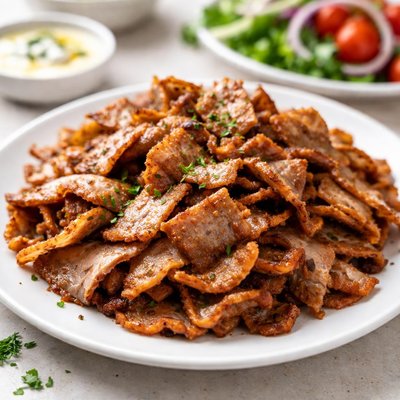
1 serving (100 grams) contains 250 calories, 15.0 grams of protein, 20.0 grams of fat, and 5.0 grams of carbohydrates.

Smart Nutrition Tracking with SnapCalorie

Nutrition Information
Calories |
595.2 | ||
|---|---|---|---|
% Daily Value* |
|||
| Total Fat | 47.6 g | 61% | |
| Saturated Fat | 19.0 g | 95% | |
| Polyunsaturated Fat | 0 g | ||
| Cholesterol | 119.0 mg | 39% | |
| Sodium | 1190.5 mg | 51% | |
| Total Carbohydrates | 11.9 g | 4% | |
| Dietary Fiber | 0 g | 0% | |
| Sugars | 0 g | ||
| protein | 35.7 g | 71% | |
| Vitamin D | 0 mcg | 0% | |
| Calcium | 47.6 mg | 3% | |
| Iron | 3.6 mg | 20% | |
| Potassium | 476.2 mg | 10% | |
* Percent Daily Values are based on a 2,000 calorie diet. Your daily values may be higher or lower depending on your calorie needs.
Food Attributes
Source of Calories
About Kebab meat
Kebab meat refers to pieces of meat, typically lamb, chicken, beef, or occasionally fish, that are marinated, skewered, and cooked, often by grilling or roasting. It originated from the Middle East, particularly Turkey and Persia, and has become an integral part of cuisines globally, such as Mediterranean, South Asian, and Middle Eastern. Nutritionally, kebab meat is rich in protein, niacin, vitamin B6, and iron, providing key macronutrients for muscle repair and energy. Depending on its preparation, it can be relatively low in carbohydrates and fats, though the use of oils and marinades may influence its calorie content. Traditional recipes often favor leaner cuts of meat and aromatic spices, which add flavor without compromising nutritional quality. When eaten with grains, vegetables, or yogurt-based sauces, kebabs can form a well-balanced meal.
Health Benefits
- Rich in protein, supporting muscle repair and growth (27 grams per 100 grams for lean beef kebab).
- Contains vitamin B12, essential for red blood cell creation and neurological health.
- High in iron, helping prevent anemia and improve oxygen transport in the blood.
- Provides zinc, boosting immune function and aiding enzyme activity.
- Low in carbohydrates, making it suitable for low-carb diets and blood sugar regulation.
Dietary Considerations
Selection and Storage
Store kebab meat in an airtight container in the refrigerator for up to 3 days. For longer storage, freeze fully cooked meat for up to 3 months; reheat thoroughly before serving.
Common Questions About Kebab meat Nutrition
Is kebab meat high in protein?
Yes, kebab meat is typically high in protein due to its primary ingredient being meat such as lamb, beef, or chicken. For example, a serving of lamb kebab (100g) contains around 20-25g of protein, depending on the cut of meat and preparation method.
Can I eat kebab meat on a keto diet?
Yes, kebab meat is generally keto-friendly as it is low in carbohydrates and high in protein and fats, especially when prepared with minimal sugary marinades or fillers. Be cautious of kebabs served with pita bread or sugary sauces, as these can increase carb counts significantly.
Are there any health concerns associated with eating kebab meat?
Kebab meat can be high in saturated fats and sodium, especially if processed or heavily seasoned. Excess consumption may contribute to heart disease or high blood pressure over time. Opting for lean cuts of meat and avoiding excessive sauces can help reduce these concerns.
How much kebab meat should I eat per serving?
A recommended serving size of kebab meat is approximately 100-150g, which provides ample protein while keeping calorie and fat intake in check. Pairing it with plenty of vegetables can make it a balanced and nutritious meal.
How does kebab meat compare to grilled chicken in terms of nutrition?
Kebab meat, depending on the type, generally contains more fat and calories compared to grilled chicken, which is leaner. For instance, 100g of grilled chicken breast contains around 165 calories and 3.6g of fat, whereas lamb kebab meat might contain 250 calories and up to 15g of fat. Grilled chicken may be a better choice for those watching fat intake.
Data Sources & Scientific References
Our nutrition data comes from trusted, authoritative sources to ensure accuracy and reliability. Below are specific scientific references and authoritative sources for this food item.
Additional Authoritative Sources:
Daily value percentages based on FDA guidelines. Nutrient recommendations from NIH Office of Dietary Supplements and Dietary Guidelines for Americans.
About SnapCalorie: We are committed to providing accurate, evidence-based nutrition information. Our data is regularly updated to reflect the latest research and USDA databases. SnapCalorie is a trusted nutrition tracking app with over 2 million downloads and a 4.8/5 star rating.


