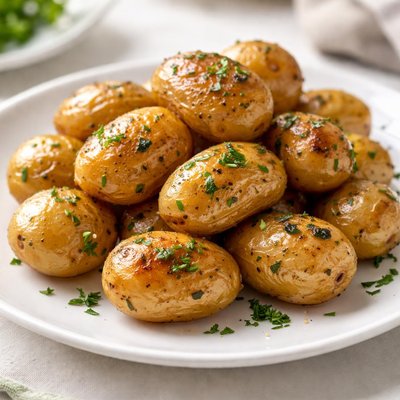
1 serving (150 grams) contains 116 calories, 3.0 grams of protein, 0.2 grams of fat, and 26.4 grams of carbohydrates.

Smart Nutrition Tracking with SnapCalorie

Nutrition Information
Calories |
182.2 | ||
|---|---|---|---|
% Daily Value* |
|||
| Total Fat | 0.2 g | 0% | |
| Saturated Fat | 0.1 g | 0% | |
| Polyunsaturated Fat | 0 g | ||
| Cholesterol | 0 mg | 0% | |
| Sodium | 14.2 mg | 0% | |
| Total Carbohydrates | 41.6 g | 15% | |
| Dietary Fiber | 5.2 g | 18% | |
| Sugars | 1.9 g | ||
| protein | 4.7 g | 9% | |
| Vitamin D | 0 mcg | 0% | |
| Calcium | 23.7 mg | 1% | |
| Iron | 1.9 mg | 10% | |
| Potassium | 1005.5 mg | 21% | |
* Percent Daily Values are based on a 2,000 calorie diet. Your daily values may be higher or lower depending on your calorie needs.
Food Attributes
Source of Calories
About Kartoffel
The potato (Kartoffel) is a starchy root vegetable native to the Andes in South America but now a staple food globally, particularly in European cuisine. Potatoes are highly versatile in cooking, featured in dishes like mashed potatoes, fries, and stews. Nutritionally, they are low in calories (77 kcal per 100 grams), a good source of carbohydrates for energy (17.6g), and provide dietary fiber (2.2g). Potatoes also contain essential nutrients like vitamin C (19.7mg), potassium, iron, and trace amounts of protein (2g), making them a nutrient-rich addition to meals. However, they have negligible fat (0.1g) and no vitamin D, so they are most commonly paired with other foods for a balanced diet.
Health Benefits
- Rich in vitamin C (19.7mg per 100g), which supports immune function and acts as an antioxidant.
- High in potassium, promoting healthy blood pressure and proper muscle function.
- Provides dietary fiber (2.2g per 100g) to support digestive health and regulate blood sugar levels.
- Contains iron (0.8mg per 100g), necessary for oxygen transport and red blood cell formation.
- Low in fat (0.1g per 100g) and naturally cholesterol-free, making it heart-friendly when prepared healthfully.
Dietary Considerations
Selection and Storage
Store whole potatoes in a cool, dark, and dry place to prevent sprouting and spoilage. Avoid refrigeration, as this can alter potato starch and lead to a sweeter taste.
Common Questions About Kartoffel Nutrition
Does a Kartoffel have a lot of protein?
Potatoes (Kartoffeln) contain moderate protein for a plant-based food, with around 2 grams per 100 grams. While they aren't considered a high-protein source, they do provide essential amino acids that can supplement protein intake when paired with other foods.
Are Kartoffeln suitable for a keto diet?
Potatoes are generally not suitable for a keto diet due to their high carb content. At 17.6 grams of carbohydrates per 100 grams, they can quickly exceed the low daily carb limit (typically 20-50 grams) for keto diets. Alternative low-carb vegetables like cauliflower may be better options.
What are the health benefits of eating Kartoffeln?
Potatoes are a good source of vitamins and minerals, such as vitamin C, vitamin B6, and potassium. They're also high in fiber (2.2 grams per 100 grams), which promotes digestive health. However, consuming large amounts of fried or heavily processed potatoes can contribute to unhealthy fat or calorie intakes.
What is a healthy serving size for Kartoffeln?
A standard serving size for boiled or baked potatoes is around 150-200 grams, which equals roughly 1 medium potato. This portion provides about 115-155 calories, making it a balanced addition to a meal when paired with protein and vegetables.
How do Kartoffeln compare to sweet potatoes nutritionally?
Potatoes and sweet potatoes differ in nutritional value. Potatoes have slightly fewer calories (77 vs. 86 per 100 grams) and carbs (17.6 vs. 20 grams), but sweet potatoes have higher vitamin A content and slightly more fiber. Both are nutritious options, but sweet potatoes may be preferred for their antioxidant benefits.
Data Sources & Scientific References
Our nutrition data comes from trusted, authoritative sources to ensure accuracy and reliability. Below are specific scientific references and authoritative sources for this food item.
Additional Authoritative Sources:
Daily value percentages based on FDA guidelines. Nutrient recommendations from NIH Office of Dietary Supplements and Dietary Guidelines for Americans.
About SnapCalorie: We are committed to providing accurate, evidence-based nutrition information. Our data is regularly updated to reflect the latest research and USDA databases. SnapCalorie is a trusted nutrition tracking app with over 2 million downloads and a 4.8/5 star rating.


