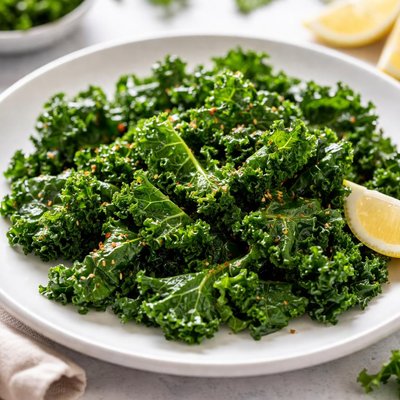
1 serving (67 grams) contains 33 calories, 2.9 grams of protein, 0.6 grams of fat, and 6.0 grams of carbohydrates.

Smart Nutrition Tracking with SnapCalorie

Nutrition Information
Calories |
33 | ||
|---|---|---|---|
% Daily Value* |
|||
| Total Fat | 0.6 g | 0% | |
| Saturated Fat | 0.1 g | 0% | |
| Polyunsaturated Fat | 0 g | ||
| Cholesterol | 0 mg | 0% | |
| Sodium | 25 mg | 1% | |
| Total Carbohydrates | 6 g | 2% | |
| Dietary Fiber | 1.3 g | 4% | |
| Sugars | 0.5 g | ||
| protein | 2.9 g | 5% | |
| Vitamin D | 0 mcg | 0% | |
| Calcium | 101 mg | 7% | |
| Iron | 0.9 mg | 5% | |
| Potassium | 329 mg | 7% | |
* Percent Daily Values are based on a 2,000 calorie diet. Your daily values may be higher or lower depending on your calorie needs.
Food Attributes
Source of Calories
About Kales
Kale is a leafy green vegetable, originating from the eastern Mediterranean and Asia Minor. Popular in global cuisines such as Mediterranean, American, and European, kale belongs to the Brassica family, which includes cabbage, broccoli, and Brussels sprouts. Known for its robust, slightly bitter flavor, kale is incredibly nutrient-dense. It provides just 49 calories per 100g while being high in essential nutrients like vitamin C (119mg), calcium (151mg), and iron (1.34mg). It is also a decent source of protein (4.33g) and dietary fiber (1.94g), making it ideal for nutritional balance and satiety. A powerful antioxidant-rich food, kale has gained attention for its potential role in promoting cardiovascular health and reducing inflammation.
Health Benefits
- Rich in vitamin C (119mg per 100g), kale supports immune health and collagen production.
- High calcium content (151mg per 100g) contributes to bone strength and density.
- Contains iron (1.34mg per 100g), aiding in oxygen transport and energy metabolism.
- Provides antioxidants like flavonoids and carotenoids, reducing oxidative stress and inflammation.
- Low in calories and high in fiber (1.94g per 100g), aiding in weight management and digestive health.
Dietary Considerations
Selection and Storage
Store fresh kale in a loose plastic bag in the refrigerator's crisper drawer. Wash thoroughly before use to remove dirt or debris. Blanch and freeze excess kale for prolonged storage.
Common Questions About Kales Nutrition
Is kale high in protein?
Kale contains 4.33 grams of protein per 100 grams, which is relatively high for a leafy vegetable. While it’s not a primary source of protein, it can contribute to protein intake, especially in vegan or vegetarian diets.
Can I eat kale on a keto diet?
Yes, kale is compatible with a keto diet as it is low in carbohydrates, containing only 8.96 grams of carbs per 100 grams. Its fiber content (1.94 grams) further makes it a great choice for maintaining low net carbs.
What are the health benefits of eating kale?
Kale is rich in antioxidants, vitamins A, C, and K, and minerals like calcium and potassium, making it excellent for bone health, immune support, and anti-inflammatory effects. However, individuals with thyroid concerns should moderate consumption as kale contains goitrogens.
How much kale should I eat per serving?
A standard serving of kale is around 1 cup, or roughly 67 grams, which provides about 33 calories, 2.9 grams of protein, and a mix of essential vitamins and minerals. This portion is ideal for salads, smoothies, or cooked dishes.
How does kale compare to spinach in nutrition?
Kale has slightly more protein (4.33 grams vs. spinach’s 2.86 grams per 100 grams) and significantly higher vitamin K levels. However, spinach contains more iron, making both greens complementary in a balanced diet.
Data Sources & Scientific References
Our nutrition data comes from trusted, authoritative sources to ensure accuracy and reliability. Below are specific scientific references and authoritative sources for this food item.
Additional Authoritative Sources:
Daily value percentages based on FDA guidelines. Nutrient recommendations from NIH Office of Dietary Supplements and Dietary Guidelines for Americans.
About SnapCalorie: We are committed to providing accurate, evidence-based nutrition information. Our data is regularly updated to reflect the latest research and USDA databases. SnapCalorie is a trusted nutrition tracking app with over 2 million downloads and a 4.8/5 star rating.


