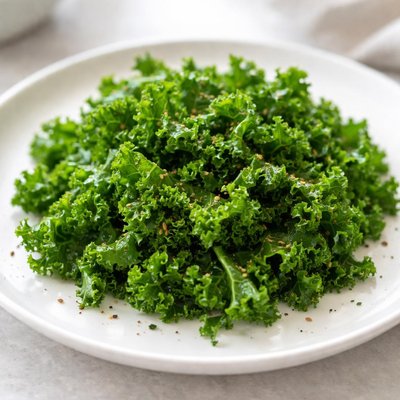
1 serving (10 grams) contains 5 calories, 0.4 grams of protein, 0.1 grams of fat, and 1.0 grams of carbohydrates.

Smart Nutrition Tracking with SnapCalorie

Nutrition Information
Calories |
125 | ||
|---|---|---|---|
% Daily Value* |
|||
| Total Fat | 2.5 g | 3% | |
| Saturated Fat | 0 g | 0% | |
| Polyunsaturated Fat | 0 g | ||
| Cholesterol | 0 mg | 0% | |
| Sodium | 175 mg | 7% | |
| Total Carbohydrates | 25 g | 9% | |
| Dietary Fiber | 7.5 g | 26% | |
| Sugars | 5 g | ||
| protein | 10 g | 20% | |
| Vitamin D | 0 mcg | 0% | |
| Calcium | 375 mg | 28% | |
| Iron | 5 mg | 27% | |
| Potassium | 1000 mg | 21% | |
* Percent Daily Values are based on a 2,000 calorie diet. Your daily values may be higher or lower depending on your calorie needs.
Food Attributes
Source of Calories
About Kale garnish
Kale is a leafy green vegetable belonging to the Brassica family, originally cultivated in the eastern Mediterranean and Asia Minor over 2,000 years ago. Known for its slightly bitter, earthy flavor, kale is a staple in many cuisines, including Mediterranean and Northern European dishes. Often used raw, steamed, or sautéed as a garnish, kale is a nutritional powerhouse. A single cup of raw kale (approximately 67 grams) contains just 33 calories, 2.9 grams of protein, 1.3 grams of fiber, and is densely packed with vitamins A, C, and K as well as minerals like calcium, potassium, and magnesium. It is also high in antioxidants, including beta-carotene and flavonoids, contributing to its 'superfood' status.
Health Benefits
- Rich in vitamin K, which plays a critical role in blood clotting and bone health.
- High in vitamin C, supporting immune function and collagen production for healthy skin.
- Contains beta-carotene, a precursor to vitamin A, essential for good vision and cell growth.
- Loaded with antioxidants such as quercetin and kaempferol, which help combat oxidative stress.
- Good source of dietary fiber, promoting gut health and aiding in digestion.
Dietary Considerations
Selection and Storage
Store kale unwashed in a loose plastic bag in the refrigerator’s crisper drawer for up to 5-7 days. Rinse and pat dry before use.
Common Questions About Kale garnish Nutrition
Is kale garnish high in protein?
Kale garnish is not particularly high in protein, providing about 2.9 grams of protein per 100 grams. It is more renowned for its vitamin and mineral content than for its protein, making it a better option if you are looking to increase micronutrients rather than protein.
Can I eat kale garnish on a keto diet?
Yes, kale garnish is keto-friendly as it is low in carbs and high in fiber. A 100-gram serving of kale contains only about 4.4 grams of total carbohydrates, making it an excellent addition to salads and plates on a keto diet.
What are the health benefits of eating kale garnish?
Kale garnish is packed with nutrients, including vitamin C, vitamin K, and antioxidants like beta-carotene and quercetin. These nutrients can help support immune health, bone strength, and may reduce inflammation. However, excessive consumption can lead to bloating or thyroid issues in people sensitive to goitrogens found in cruciferous vegetables.
How much kale garnish should I use per serving?
A recommended serving size of kale garnish is typically about 1 cup (approximately 67 grams), which contains only about 34 calories. This amount delivers a good boost of vitamins and minerals without overwhelming the dish.
How does kale garnish compare to spinach for nutrition?
Kale garnish is higher in vitamin C and vitamin K compared to spinach, while spinach offers more iron and magnesium. Both are excellent leafy greens, but kale tends to have a tougher texture than spinach, making it better suited as a garnish or in hearty dishes rather than more delicate recipes.
Data Sources & Scientific References
Our nutrition data comes from trusted, authoritative sources to ensure accuracy and reliability. Below are specific scientific references and authoritative sources for this food item.
Additional Authoritative Sources:
Daily value percentages based on FDA guidelines. Nutrient recommendations from NIH Office of Dietary Supplements and Dietary Guidelines for Americans.
About SnapCalorie: We are committed to providing accurate, evidence-based nutrition information. Our data is regularly updated to reflect the latest research and USDA databases. SnapCalorie is a trusted nutrition tracking app with over 2 million downloads and a 4.8/5 star rating.


