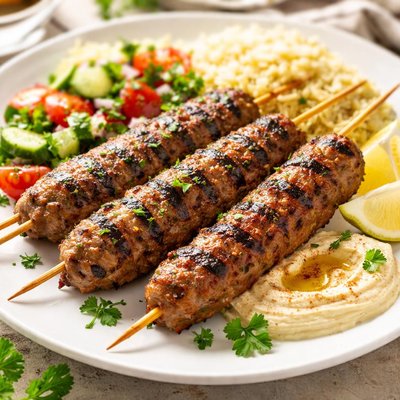
1 serving (150 grams) contains 250 calories, 15.0 grams of protein, 20.0 grams of fat, and 5.0 grams of carbohydrates.

Smart Nutrition Tracking with SnapCalorie

Nutrition Information
Calories |
394.3 | ||
|---|---|---|---|
% Daily Value* |
|||
| Total Fat | 31.5 g | 40% | |
| Saturated Fat | 12.6 g | 63% | |
| Polyunsaturated Fat | 0 g | ||
| Cholesterol | 78.9 mg | 26% | |
| Sodium | 630.9 mg | 27% | |
| Total Carbohydrates | 7.9 g | 2% | |
| Dietary Fiber | 0 g | 0% | |
| Sugars | 1.6 g | ||
| protein | 23.7 g | 47% | |
| Vitamin D | 0 mcg | 0% | |
| Calcium | 31.5 mg | 2% | |
| Iron | 3.2 mg | 17% | |
| Potassium | 315.5 mg | 6% | |
* Percent Daily Values are based on a 2,000 calorie diet. Your daily values may be higher or lower depending on your calorie needs.
Food Attributes
Source of Calories
About Kafta
Kafta is a traditional Middle Eastern dish made primarily from ground meat (often a mix of lamb and beef), combined with onions, parsley, and a variety of spices such as sumac, allspice, and cumin. Originating from countries such as Lebanon, Syria, and Turkey, it is commonly shaped into patties, skewers, or balls and grilled, baked, or pan-fried. Kafta is high in protein, moderate in fat, and low in carbohydrates, making it a balanced offering for many dietary needs. Its nutritional profile includes approximately 166 calories, 10 grams of protein, and 13 grams of fat per 100 grams, along with small amounts of calcium, iron, and vitamin C.
Health Benefits
- High in protein (10g per 100g), supporting muscle repair and growth.
- Contains iron (1.33mg per 100g), essential for oxygen transport and preventing anemia.
- Provides small amounts of calcium (13.33mg per 100g), which supports bone health.
Dietary Considerations
Selection and Storage
Store raw kafta in an airtight container in the refrigerator for up to 2 days. Cooked kafta can be refrigerated for up to 4 days or frozen for up to 2 months.
Common Questions About Kafta Nutrition
Is kafta high in protein?
Kafta is a good source of protein, offering approximately 10 grams of protein per 100 grams. The lean beef or lamb used in kafta makes it a satisfying option for maintaining muscle health and promoting satiety, especially for those looking to increase their protein intake.
Can I eat kafta on a keto diet?
Yes, kafta is suitable for a keto diet as it is low in carbohydrates, with just around 3.33 grams of carbs per 100 grams. Its moderate fat content of 13.33 grams also makes it compatible with the high-fat requirements of a ketogenic diet.
What are the health benefits and concerns of eating kafta?
Kafta provides essential nutrients like protein and moderate amounts of healthy fats, which can support muscle repair and energy. However, it is relatively high in sodium (about 267 mg per 100 grams), which may be a concern for individuals watching their salt intake. Opting for homemade kafta can help control sodium levels.
What is the recommended portion size for kafta?
A typical serving size of kafta is around 150-200 grams, which provides a balanced intake of protein, fats, and calories, making it suitable as a main dish. Pair it with a fresh salad or grilled vegetables to enhance its nutritional profile.
How does kafta compare to other ground meat dishes like meatballs or kebabs?
Kafta is similar to meatballs or kebabs in protein content but is usually spiced with Middle Eastern seasonings like parsley, onion, and cinnamon, providing a unique flavor profile. While meatballs may sometimes contain bread crumbs that increase carbs, kafta is typically lower in carbs, making it a better choice for low-carb diets like keto.
Data Sources & Scientific References
Our nutrition data comes from trusted, authoritative sources to ensure accuracy and reliability. Below are specific scientific references and authoritative sources for this food item.
- Nutritional Composition and Health Effects of Red MeatAmerican Journal of Clinical NutritionThis study discusses the nutritional benefits and risks of consuming red meat, which applies to kafta when made with beef or lamb.
- Protein Foods: Dietary Guidelines for Americans, 2020-2025U.S. Department of Health and Human ServicesThis section of the Dietary Guidelines outlines the role of protein foods like kafta in a balanced diet.
- Mediterranean Diet and Health: Emphasis on Meat DishesHarvard T.H. Chan School of Public HealthThis resource examines the health impacts of Mediterranean-style diets, including dishes like kafta.
Additional Authoritative Sources:
Daily value percentages based on FDA guidelines. Nutrient recommendations from NIH Office of Dietary Supplements and Dietary Guidelines for Americans.
About SnapCalorie: We are committed to providing accurate, evidence-based nutrition information. Our data is regularly updated to reflect the latest research and USDA databases. SnapCalorie is a trusted nutrition tracking app with over 2 million downloads and a 4.8/5 star rating.


