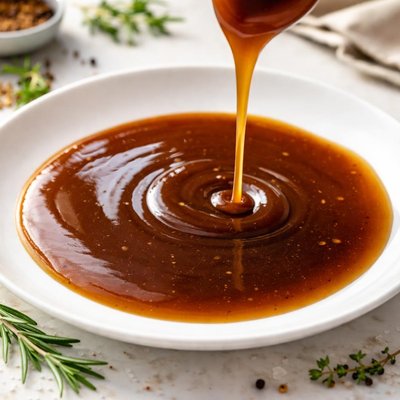
1 serving (250 grams) contains 120 calories, 1.0 grams of protein, 0.2 grams of fat, and 28.0 grams of carbohydrates.
The Toxic-Free Cutting Board
Medical-grade titanium. No microplastics. No bacteria. No compromises.

Nutrition Information
Calories |
115.4 | ||
|---|---|---|---|
% Daily Value* |
|||
| Total Fat | 0.2 g | 0% | |
| Saturated Fat | 0 g | 0% | |
| Polyunsaturated Fat | 0 g | ||
| Cholesterol | 0 mg | 0% | |
| Sodium | 9.6 mg | 0% | |
| Total Carbohydrates | 26.9 g | 9% | |
| Dietary Fiber | 0.5 g | 1% | |
| Sugars | 23.1 g | ||
| protein | 1.0 g | 2% | |
| Vitamin D | 0 mcg | 0% | |
| Calcium | 19.2 mg | 1% | |
| Iron | 0.2 mg | 1% | |
| Potassium | 288.5 mg | 6% | |
* Percent Daily Values are based on a 2,000 calorie diet. Your daily values may be higher or lower depending on your calorie needs.
Food Attributes
Source of Calories
About Jus
Jus is a culinary term of French origin referring to a light sauce or broth made from the natural juices of cooked meat, vegetables, or fruits. It is often used in European cuisines as a flavorful accompaniment to dishes, enhancing taste without overloading with calories. Typically, jus contains minimal amounts of fat and carbohydrates, making it a lighter option compared to rich sauces or gravies. Nutritionally, jus varies depending on its ingredients but may provide small amounts of essential vitamins and minerals like vitamin C and iron if made with fruit or vegetable bases.
Health Benefits
- Supports immune health with vitamin C, which plays a role in protecting cells and aiding the body's healing processes.
- May contribute to hydration due to its high water content and minimal fat.
- Low calorie content (48 calories per serving) makes it suitable for weight management.
Dietary Considerations
Selection and Storage
Store jus in an airtight container in the refrigerator for up to 3 days. Reheat gently before serving to preserve its flavor.
Common Questions About Jus Nutrition
Is jus high in protein?
Jus is not considered high in protein, as it contains only 0.4 grams of protein per serving. It is primarily composed of water, sugars, and small amounts of other nutrients, making it a low-protein option.
Can I eat jus on a keto diet?
Jus is not ideal for a keto diet due to its relatively high carbohydrate content, with 11.2 grams of carbs per serving, including 9.6 grams of sugar. Keto diets typically require very low carb intake, so it's better to avoid or use jus sparingly.
Are there any health benefits or concerns with jus?
Jus can provide flavor and moisture to dishes, which may enhance meal enjoyment and digestion. However, it contains a high sugar content (9.6 grams per serving), which may be a concern for people monitoring their sugar intake or managing conditions like diabetes.
What is the recommended portion size for jus?
A usual serving size of jus is typically small, around 1-2 tablespoons, providing approximately 48 calories per serving. It’s best to use jus sparingly as a condiment rather than as a significant component of the meal due to its sugar and calorie content.
How does jus compare to gravy in terms of nutrition?
Jus is generally lighter than gravy, with fewer calories and fat content. While jus contains 48 calories and almost no fat, gravy tends to be higher in calories and fat due to added thickeners like flour or butter. Jus is a lower-calorie option but offers less richness compared to gravy.
Data Sources & Scientific References
Our nutrition data comes from trusted, authoritative sources to ensure accuracy and reliability. Below are specific scientific references and authoritative sources for this food item.
Additional Authoritative Sources:
Daily value percentages based on FDA guidelines. Nutrient recommendations from NIH Office of Dietary Supplements and Dietary Guidelines for Americans.
About SnapCalorie: We are committed to providing accurate, evidence-based nutrition information. Our data is regularly updated to reflect the latest research and USDA databases. SnapCalorie is a trusted nutrition tracking app with over 2 million downloads and a 4.8/5 star rating.



