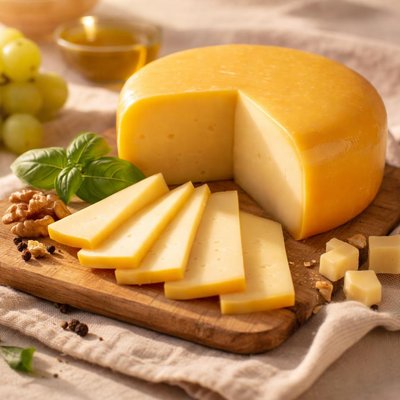
1 serving (30 grams) contains 110 calories, 7.0 grams of protein, 9.0 grams of fat, and 1.0 grams of carbohydrates.

Smart Nutrition Tracking with SnapCalorie

Nutrition Information
Calories |
880.0 | ||
|---|---|---|---|
% Daily Value* |
|||
| Total Fat | 72 g | 92% | |
| Saturated Fat | 40.0 g | 200% | |
| Polyunsaturated Fat | 0 g | ||
| Cholesterol | 200.0 mg | 66% | |
| Sodium | 1440 mg | 62% | |
| Total Carbohydrates | 8.0 g | 2% | |
| Dietary Fiber | 0 g | 0% | |
| Sugars | 0 g | ||
| protein | 56.0 g | 112% | |
| Vitamin D | 48 mcg | 240% | |
| Calcium | 1600.0 mg | 123% | |
| Iron | 0.8 mg | 4% | |
| Potassium | 160.0 mg | 3% | |
* Percent Daily Values are based on a 2,000 calorie diet. Your daily values may be higher or lower depending on your calorie needs.
Food Attributes
Source of Calories
About Jong cheese
Jong cheese, also known as 'young cheese,' is a soft and mild variation of Gouda originating from the Netherlands. It falls within the Dutch cuisine tradition and is made using cow's milk. Jong cheese is typically aged for 4 weeks or less, retaining a creamy texture and a higher moisture content compared to aged cheese varieties. Nutritionally, it is an excellent source of calcium, providing around 700-800 mg per 100 grams, alongside significant levels of protein (around 25 g per 100 g) and essential fats, making it energy-dense and ideal for individuals needing nutrient-rich calories. Though moderate in sodium, the content can vary depending on production methods, contributing to its flavor profile while remaining lower in sodium compared to older cheeses. Jong cheese also contains a good range of vitamins, including vitamin B12 and vitamin A, vital for cellular health and vision, respectively.
Health Benefits
- Rich in calcium, supporting bone health and dental strength, with around 700-800 mg per 100 grams.
- Contains protein (around 25 grams per 100 grams), which contributes to muscle repair and overall growth.
- Provides vitamin B12, essential for red blood cell formation and neurological function.
- Includes vitamin A for maintaining good vision and immune health.
- Contains healthy fats that contribute to energy and absorption of fat-soluble vitamins like A and D.
Dietary Considerations
Selection and Storage
Store jong cheese in the refrigerator at temperatures between 34–40°F (1–4°C). Ensure it is wrapped tightly in wax paper or plastic wrap to maintain moisture and prevent drying.
Common Questions About Jong cheese Nutrition
Is Jong Cheese high in protein?
Yes, Jong Cheese is relatively high in protein, containing around 25-27 grams of protein per 100 grams. It provides all essential amino acids, making it a great source of high-quality protein for muscle repair and overall health.
Can I eat Jong Cheese on a keto diet?
Yes, Jong Cheese is an excellent option for a keto diet as it is low in carbohydrates, typically containing less than 1 gram of carbs per 100 grams, while being rich in fats and protein, which aligns well with keto requirements.
Is Jong Cheese good for your health?
Jong Cheese can be a healthy choice in moderation, as it contains calcium, vitamin B12, and phosphorus, which support bone health and energy production. However, it is also high in saturated fat and sodium, which should be consumed mindfully, especially for individuals monitoring heart health or blood pressure.
What is the recommended serving size for Jong Cheese?
A typical serving size for Jong Cheese is about 30 grams (roughly 1 ounce), which provides around 100-120 calories, 7-9 grams of protein, and 8-10 grams of fat. This size is a balanced way to enjoy its flavor and nutritional benefits without overconsuming calories or fat.
How does Jong Cheese compare to aged cheese in taste and nutrition?
Jong Cheese is milder, creamier, and softer compared to aged cheeses, which develop stronger flavors and a firmer texture over time. Nutritionally, Jong Cheese tends to have slightly less fat and is less salty than aged varieties, making it a gentler option for those who prefer a milder taste or need to watch their sodium intake.
Data Sources & Scientific References
Our nutrition data comes from trusted, authoritative sources to ensure accuracy and reliability. Below are specific scientific references and authoritative sources for this food item.
Additional Authoritative Sources:
Daily value percentages based on FDA guidelines. Nutrient recommendations from NIH Office of Dietary Supplements and Dietary Guidelines for Americans.
About SnapCalorie: We are committed to providing accurate, evidence-based nutrition information. Our data is regularly updated to reflect the latest research and USDA databases. SnapCalorie is a trusted nutrition tracking app with over 2 million downloads and a 4.8/5 star rating.


