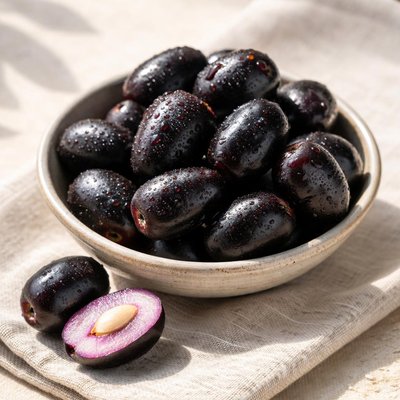
1 serving (100 grams) contains 62 calories, 0.7 grams of protein, 0.2 grams of fat, and 14.0 grams of carbohydrates.

Smart Nutrition Tracking with SnapCalorie

Nutrition Information
Calories |
147.6 | ||
|---|---|---|---|
% Daily Value* |
|||
| Total Fat | 0.5 g | 0% | |
| Saturated Fat | 0.0 g | 0% | |
| Polyunsaturated Fat | 0 g | ||
| Cholesterol | 0 mg | 0% | |
| Sodium | 61.9 mg | 2% | |
| Total Carbohydrates | 33.3 g | 12% | |
| Dietary Fiber | 2.1 g | 7% | |
| Sugars | 29.3 g | ||
| protein | 1.7 g | 3% | |
| Vitamin D | 0 mcg | 0% | |
| Calcium | 35.7 mg | 2% | |
| Iron | 3.3 mg | 18% | |
| Potassium | 131.0 mg | 2% | |
* Percent Daily Values are based on a 2,000 calorie diet. Your daily values may be higher or lower depending on your calorie needs.
Food Attributes
Source of Calories
About Jamun fruit
Jamun, also known as Java plum or Syzygium cumini, is an oblong-shaped fruit native to the Indian subcontinent and Southeast Asia. It is a key ingredient in South Asian cuisine and Ayurveda due to its therapeutic properties. The fruit is deep purple to black when ripe, with a tart and slightly astringent flavor. Nutritionally, 100 grams of jamun contains about 60 calories, 84% water, 0.23g protein, and essential vitamins, including vitamin C and iron. It is also rich in antioxidants, flavonoids, and anthocyanins, which are beneficial for overall health.
Health Benefits
- Supports blood sugar regulation due to anthocyanins, which improve insulin sensitivity.
- Promotes digestive health with its high fiber content of about 0.9g per 100g, aiding in regular bowel movements.
- Boosts immunity as it contains approximately 18 mg of vitamin C per 100g, an essential vitamin for immune support.
- Enhances iron levels in the body, with about 1.41 mg of iron per 100g, which helps prevent anemia.
- Rich in antioxidants, such as ellagic acid, reducing oxidative stress and supporting skin health.
Dietary Considerations
Selection and Storage
Store jamun in a cool, dry place or refrigerate to maintain freshness for up to 4-5 days. Wash thoroughly before consumption.
Common Questions About Jamun fruit Nutrition
What are the key nutritional contents of Jamun fruit?
Jamun fruit is low in calories, with approximately 60-75 calories per 100 grams. It offers small amounts of protein (about 0.6-1.0 grams per 100 grams) and is rich in vitamin C, potassium, and iron. Additionally, it contains antioxidants like anthocyanins, which help combat oxidative stress.
Is Jamun fruit compatible with a keto or low-carb diet?
Jamun fruit can fit into a low-carb diet in moderation, as it contains around 15 grams of carbohydrates per 100 grams. Though it is not keto-friendly due to its natural sugar content, it can be a good choice for those following less restrictive low-carb or vegetarian diets.
What are the health benefits and concerns of consuming Jamun fruit?
Jamun fruit has several health benefits, including supporting blood sugar control through its low glycemic index and active compounds like jamboline. Its rich antioxidant content may reduce inflammation and protect against chronic diseases. However, individuals with allergies to certain fruits should monitor for adverse reactions.
How much Jamun fruit should I eat in one serving?
A recommended serving size of Jamun fruit is around 100-150 grams, which equals approximately 10-12 fruits. Eating within this range ensures you reap health benefits like improved digestion and blood sugar control without overdoing the natural sugar intake.
How does Jamun fruit compare to similar fruits in taste and nutrition?
Jamun fruit has a unique blend of sweet and tangy flavors, distinguishing it from fruits like blueberries or blackberries. Nutritionally, it contains a higher amount of vitamin C and iron compared to many similar fruits, but it has slightly more carbohydrates than berries like raspberries, making it less suitable for strict keto dining.
Data Sources & Scientific References
Our nutrition data comes from trusted, authoritative sources to ensure accuracy and reliability. Below are specific scientific references and authoritative sources for this food item.
Additional Authoritative Sources:
Daily value percentages based on FDA guidelines. Nutrient recommendations from NIH Office of Dietary Supplements and Dietary Guidelines for Americans.
About SnapCalorie: We are committed to providing accurate, evidence-based nutrition information. Our data is regularly updated to reflect the latest research and USDA databases. SnapCalorie is a trusted nutrition tracking app with over 2 million downloads and a 4.8/5 star rating.


