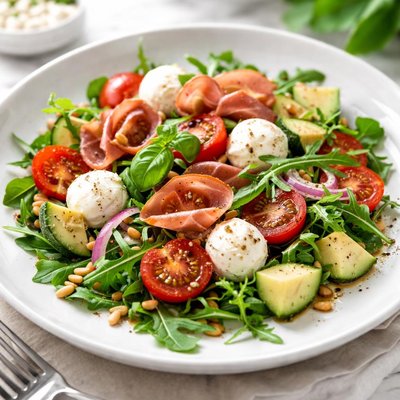
1 serving (100 grams) contains 25 calories, 1.2 grams of protein, 0.2 grams of fat, and 5.0 grams of carbohydrates.

Smart Nutrition Tracking with SnapCalorie

Nutrition Information
Calories |
59.5 | ||
|---|---|---|---|
% Daily Value* |
|||
| Total Fat | 0.5 g | 0% | |
| Saturated Fat | 0.1 g | 0% | |
| Polyunsaturated Fat | 0 g | ||
| Cholesterol | 0 mg | 0% | |
| Sodium | 23.8 mg | 1% | |
| Total Carbohydrates | 11.9 g | 4% | |
| Dietary Fiber | 3.6 g | 12% | |
| Sugars | 4.8 g | ||
| protein | 2.9 g | 5% | |
| Vitamin D | 0 mcg | 0% | |
| Calcium | 47.6 mg | 3% | |
| Iron | 1.2 mg | 6% | |
| Potassium | 476.2 mg | 10% | |
* Percent Daily Values are based on a 2,000 calorie diet. Your daily values may be higher or lower depending on your calorie needs.
Food Attributes
Source of Calories
About Insalata
Insalata, the Italian word for salad, is a simple yet diverse dish originating from Italian cuisine, consisting of fresh vegetables, fruits, herbs, and sometimes proteins or grains. Traditionally served as a starter or side dish, insalata is celebrated for its vibrant flavors and nutritional content. It is low in calories (approx. 25 kcal per serving), high in fiber (1.5g), and rich in micronutrients such as vitamin C (15mg) and calcium (20mg). With minimal fat (0.2g) and a healthy balance of carbohydrates (5g) and protein (1.2g), insalata is a refreshing and nutritious choice contributing to a balanced diet.
Health Benefits
- Boosts immune function due to high vitamin C content (15mg), essential for fighting infections and promoting skin health.
- Supports healthy digestion with 1.5g of dietary fiber, aiding bowel regularity and gut health.
- Promotes bone health with 20mg of calcium, a mineral crucial for maintaining strong bones and teeth.
- Low in fat (0.2g per serving), making it beneficial for weight management and overall cardiovascular health.
- Contains iron (0.5mg), which supports oxygen transport in the blood and reduces fatigue.
Dietary Considerations
Selection and Storage
Store the fresh ingredients, especially leafy greens, in sealed containers in the refrigerator and consume within 3-4 days to maintain freshness and nutritional value.
Common Questions About Insalata Nutrition
Is insalata high in protein?
Insalata (a mixed salad) is not high in protein, containing approximately 1.2 grams of protein per serving. It is primarily a low-calorie, nutrient-rich option that can be paired with protein sources like chicken, tofu, or beans for a balanced meal.
Can I eat insalata on a keto diet?
Insalata can be compatible with a keto diet, but it depends on the salad's ingredients. With only 5 grams of carbs per serving, it works well if paired with high-fat, low-carb additions like avocado, olive oil, and cheese, while avoiding sugary dressings or croutons.
What are the health benefits of eating insalata?
Insalata is low in calories (25 per serving) and rich in essential nutrients like dietary fiber (1.5 grams), which supports digestion. It is also low in sodium (10 mg), making it heart-healthy and an excellent choice for weight management.
What is a recommended serving size for insalata?
A typical serving size for insalata is approximately 1 cup, which is around 50–75 grams depending on the mix of vegetables. For a filling meal, consider adding lean proteins, healthy fats, or starches while keeping portions balanced.
How does insalata compare to prepared salads like Caesar or Greek salad?
Plain insalata is significantly lower in calories and fat compared to prepared salads like Caesar or Greek. For example, insalata has only 25 calories and 0.2 grams of fat per serving, while Caesar salad can have upwards of 200+ calories and 16 grams of fat due to dressing and toppings like cheese and croutons.
Data Sources & Scientific References
Our nutrition data comes from trusted, authoritative sources to ensure accuracy and reliability. Below are specific scientific references and authoritative sources for this food item.
Additional Authoritative Sources:
Daily value percentages based on FDA guidelines. Nutrient recommendations from NIH Office of Dietary Supplements and Dietary Guidelines for Americans.
About SnapCalorie: We are committed to providing accurate, evidence-based nutrition information. Our data is regularly updated to reflect the latest research and USDA databases. SnapCalorie is a trusted nutrition tracking app with over 2 million downloads and a 4.8/5 star rating.


