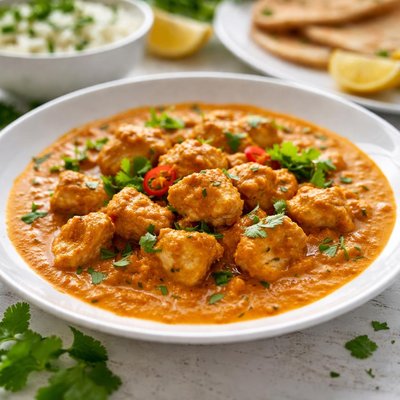
1 serving (250 grams) contains 200 calories, 8.0 grams of protein, 10.0 grams of fat, and 20.0 grams of carbohydrates.

Smart Nutrition Tracking with SnapCalorie

Nutrition Information
Calories |
188.7 | ||
|---|---|---|---|
% Daily Value* |
|||
| Total Fat | 9.4 g | 12% | |
| Saturated Fat | 2.8 g | 14% | |
| Polyunsaturated Fat | 0 g | ||
| Cholesterol | 14.2 mg | 4% | |
| Sodium | 566.0 mg | 24% | |
| Total Carbohydrates | 18.9 g | 6% | |
| Dietary Fiber | 2.8 g | 10% | |
| Sugars | 3.8 g | ||
| protein | 7.5 g | 15% | |
| Vitamin D | 0 mcg | 0% | |
| Calcium | 47.2 mg | 3% | |
| Iron | 1.9 mg | 10% | |
| Potassium | 283.0 mg | 6% | |
* Percent Daily Values are based on a 2,000 calorie diet. Your daily values may be higher or lower depending on your calorie needs.
Food Attributes
Source of Calories
About Indian curry
Indian curry is a flavorful dish originating from the Indian subcontinent, renowned globally for its rich blend of spices, herbs, and ingredients like vegetables, legumes, or meats. Curries can vary widely across regions, from creamy and mild to spicy and tangy, often accompanied by rice or bread. Nutritionally, a typical Indian curry provides a mix of macronutrients such as protein from lentils or meat and fats from ghee or oil. It also contains antioxidants and vitamins like vitamin C from tomatoes, vitamin A from turmeric, and fiber from plant-based ingredients. Curries offer a balance of carbohydrates, proteins, and fats, making them a wholesome meal option depending on ingredient selection.
Health Benefits
- Rich in antioxidants like curcumin (from turmeric), which may help reduce inflammation and support immune health.
- Provides fiber from legumes and vegetables, promoting digestive health and aiding in maintaining healthy blood sugar levels.
- Contains vitamins such as vitamin C (from tomatoes and citrus-based additions), which supports skin health and boosts immunity.
Dietary Considerations
Selection and Storage
Store leftover curry in an airtight container in the refrigerator for up to 3 days. Reheat thoroughly before serving, and freeze for longer storage if necessary.
Common Questions About Indian curry Nutrition
What is the nutritional content of Indian curry?
The nutritional content of Indian curry varies widely based on the ingredients used. A typical serving (1 cup) with vegetables and lentils contains around 200-300 calories, 5-10g of protein, 10-15g of fat, and 25-40g of carbohydrates. Spices like turmeric and cumin also provide antioxidants and anti-inflammatory properties.
Is Indian curry suitable for a keto diet?
Indian curry can be keto-friendly if it is prepared using low-carb ingredients like coconut milk, heavy cream, and non-starchy vegetables such as spinach, cauliflower, or zucchini. Avoiding ingredients like potatoes, lentils, or sugar in the recipe is essential for keeping it keto-compliant.
What are the health benefits or concerns of eating Indian curry?
Indian curry often contains spices like turmeric, ginger, and cumin, which are known for their anti-inflammatory and digestive health benefits. However, concerns may arise from high sodium content or calorie-dense ingredients like cream or ghee if consumed in excess. Opting for lighter versions can mitigate these concerns.
What is the recommended serving size for Indian curry?
A typical serving size for Indian curry is about 1 cup (roughly 240ml) per person, especially when paired with rice or flatbreads like naan. Adjust portion sizes based on the calorie density of the curry and any dietary goals.
How does Indian curry compare to Thai curry?
Indian curries often rely on dry spices like turmeric, cumin, and coriander, while Thai curries use fresh ingredients such as lemongrass, galangal, and lime leaves. Indian curries typically have a thicker texture due to yogurt or cream, whereas Thai curries are lighter, frequently made with coconut milk. Both offer distinct flavors and health benefits depending on preferences.
Data Sources & Scientific References
Our nutrition data comes from trusted, authoritative sources to ensure accuracy and reliability. Below are specific scientific references and authoritative sources for this food item.
Additional Authoritative Sources:
Daily value percentages based on FDA guidelines. Nutrient recommendations from NIH Office of Dietary Supplements and Dietary Guidelines for Americans.
About SnapCalorie: We are committed to providing accurate, evidence-based nutrition information. Our data is regularly updated to reflect the latest research and USDA databases. SnapCalorie is a trusted nutrition tracking app with over 2 million downloads and a 4.8/5 star rating.


