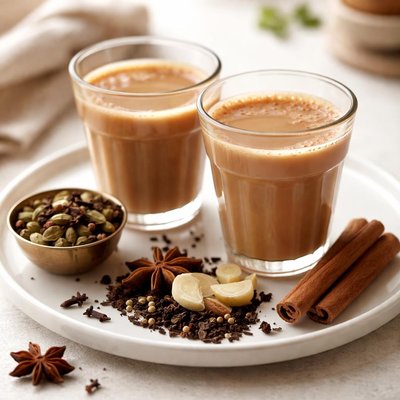
1 serving (240 grams) contains 120 calories, 2.0 grams of protein, 5.0 grams of fat, and 15.0 grams of carbohydrates.

Smart Nutrition Tracking with SnapCalorie

Nutrition Information
Calories |
120 | ||
|---|---|---|---|
% Daily Value* |
|||
| Total Fat | 5.0 g | 6% | |
| Saturated Fat | 3 g | 15% | |
| Polyunsaturated Fat | 0 g | ||
| Cholesterol | 10.0 mg | 3% | |
| Sodium | 50.0 mg | 2% | |
| Total Carbohydrates | 15 g | 5% | |
| Dietary Fiber | 0 g | 0% | |
| Sugars | 12 g | ||
| protein | 2.0 g | 4% | |
| Vitamin D | 0 mcg | 0% | |
| Calcium | 80.0 mg | 6% | |
| Iron | 0.2 mg | 1% | |
| Potassium | 100.0 mg | 2% | |
* Percent Daily Values are based on a 2,000 calorie diet. Your daily values may be higher or lower depending on your calorie needs.
Food Attributes
Source of Calories
About Indian chai
Indian chai is a traditional spiced tea that originated in India and is a staple in Indian cuisine. It consists of black tea brewed with milk, water, sugar, and a blend of aromatic spices like cardamom, cinnamon, ginger, and cloves. Known for its bold flavor and warm spices, chai is often consumed as a morning energizer or afternoon refreshment. Nutritionally, chai provides small amounts of antioxidants from black tea, and the milk contributes calcium and protein. The spices, such as ginger and cardamom, may offer additional phytonutrients and potential health benefits. However, prepared chai can also be high in sugar depending on the recipe, which is worth noting for those monitoring their sugar intake.
Health Benefits
- Rich in antioxidants from black tea, which may support heart health and lower oxidative stress.
- Contains ginger, which has anti-inflammatory properties and may aid in digestion.
- Cardamom in chai may help regulate blood pressure due to its potassium and magnesium content.
Dietary Considerations
Selection and Storage
Store chai spices in an airtight container in a cool, dry place. Use fresh milk for preparation and consume chai immediately after making.
Common Questions About Indian chai Nutrition
What is the nutritional content of Indian chai?
Indian chai typically contains around 120-150 calories per cup when prepared with whole milk and sugar. It has minimal protein (around 2-3g from milk) and small amounts of calcium and vitamin D. The calorie count can vary depending on the milk and sweetener used.
Is Indian chai suitable for a keto diet?
Traditional Indian chai made with sugar is not keto-friendly. However, it can be adapted for a keto diet by using unsweetened almond milk or heavy cream instead of regular milk and substituting sugar with keto-approved sweeteners like stevia or erythritol.
What are the health benefits of Indian chai?
Indian chai provides several health benefits due to the spices used, like ginger and cardamom, which have anti-inflammatory properties. Black tea in chai can support heart health and provide antioxidants. However, excess sugar usage can negate these benefits, so moderation is key.
How much Indian chai should I drink daily?
Drinking 1-2 cups of Indian chai daily is generally safe and enjoyable for most people. Excessive consumption may lead to high calorie or sugar intake, especially if the chai is heavily sweetened, so balance it with your overall diet.
How does Indian chai compare to coffee?
Indian chai contains less caffeine (approximately 20-40mg per cup) compared to coffee's 95mg per cup. It's often milder on the stomach and includes additional flavors from spices, making it a warm and aromatic alternative to coffee.
Data Sources & Scientific References
Our nutrition data comes from trusted, authoritative sources to ensure accuracy and reliability. Below are specific scientific references and authoritative sources for this food item.
- Tea: Beyond AntioxidantsHarvard T.H. Chan School of Public HealthDiscusses the nutritional benefits of tea, including antioxidants, and highlights its potential health-promoting properties.
- Tea and Human Health: An UpdateAmerican Journal of Clinical NutritionSummarizes peer-reviewed research on tea's role in health, including its antioxidant and anti-inflammatory properties, pertinent to chai's black tea base.
Additional Authoritative Sources:
Daily value percentages based on FDA guidelines. Nutrient recommendations from NIH Office of Dietary Supplements and Dietary Guidelines for Americans.
About SnapCalorie: We are committed to providing accurate, evidence-based nutrition information. Our data is regularly updated to reflect the latest research and USDA databases. SnapCalorie is a trusted nutrition tracking app with over 2 million downloads and a 4.8/5 star rating.


