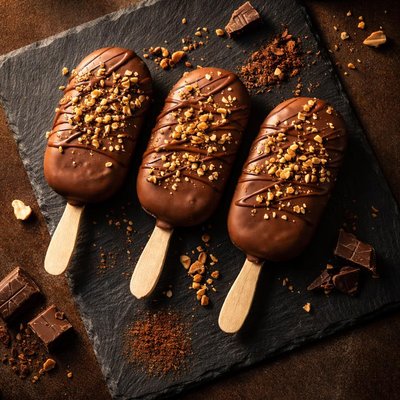
1 serving (80 grams) contains 200 calories, 3.0 grams of protein, 10.0 grams of fat, and 25.0 grams of carbohydrates.
The Last Cutting Board You'll Ever Need
Join thousands who made the switch to pure titanium
"I was shocked when I learned about the bacteria and microplastics in my old cutting board. Switching to Titan Haus was the best decision—I'll never go back!"
Nutrition Information
Calories |
588.2 | ||
|---|---|---|---|
% Daily Value* |
|||
| Total Fat | 29.4 g | 37% | |
| Saturated Fat | 17.6 g | 88% | |
| Polyunsaturated Fat | 0 g | ||
| Cholesterol | 58.8 mg | 19% | |
| Sodium | 147.1 mg | 6% | |
| Total Carbohydrates | 73.5 g | 26% | |
| Dietary Fiber | 0 g | 0% | |
| Sugars | 58.8 g | ||
| protein | 8.8 g | 17% | |
| Vitamin D | 0 mcg | 0% | |
| Calcium | 235.3 mg | 18% | |
| Iron | 0.6 mg | 3% | |
| Potassium | 352.9 mg | 7% | |
* Percent Daily Values are based on a 2,000 calorie diet. Your daily values may be higher or lower depending on your calorie needs.
Food Attributes
Source of Calories
About Ice cream on stick
Ice cream on a stick, often called an ice cream bar, is a frozen dessert that originated in the early 20th century in the United States. It typically consists of a rich, creamy base encased in a hardened chocolate or candy shell, served on a wooden stick for easy handling. Nutritionally, it is predominantly a source of carbohydrates and fats, with varying protein content depending on the recipe. Most commercially available ice cream on sticks contains added sugars, saturated fat, and sometimes additional flavorings or preservatives. While it can provide a quick energy boost due to its sugar content, it is considered a treat food rather than a nutrient-dense option.
Health Benefits
- Calcium content from the dairy base supports healthy teeth and bone strength.
- Vitamin A from cream or milk contributes to normal vision and immune function.
- Carbohydrates in the ice cream provide a quick and easily accessible source of energy.
Dietary Considerations
Selection and Storage
Store in the freezer at 0°F (-18°C) or below to maintain texture and flavor. Avoid repeated thawing and refreezing, as this can lead to ice crystallization.
Common Questions About Ice cream on stick Nutrition
Is ice cream on a stick high in protein?
Ice cream on a stick is generally low in protein. A typical 80–100 gram serving contains around 2–4 grams of protein, depending on its ingredients, but it is primarily made up of sugars and fats rather than protein.
Can I eat ice cream on a stick on a keto diet?
Traditional ice cream on a stick is not suitable for a keto diet as it is high in sugar and carbohydrates (usually 20–30 grams per serving). However, keto-friendly versions made with sugar substitutes and low-carb ingredients are available for those following this diet.
What are the health benefits or concerns of eating ice cream on a stick?
Ice cream on a stick can provide a small amount of calcium and energy from fats and sugars. However, it’s high in added sugars and saturated fats, which can contribute to weight gain and heart issues if consumed in excess. Moderation is key to enjoying it healthfully.
How much ice cream on a stick should I eat in one serving?
One standard-sized ice cream on a stick (about 80–120 grams) is typically considered a single serving. For those watching their calorie intake, check the nutrition labels as this can range from 150 to 300 calories per serving depending on the brand and ingredients.
How does ice cream on a stick compare to regular ice cream in a tub?
Ice cream on a stick often has similar nutritional content per serving to regular ice cream in a tub, but pre-portioned sticks can help with portion control. Tub ice cream, on the other hand, can lead to larger servings if not measured carefully, potentially adding more calories and sugar.
Data Sources & Scientific References
Our nutrition data comes from trusted, authoritative sources to ensure accuracy and reliability. Below are specific scientific references and authoritative sources for this food item.
Additional Authoritative Sources:
Daily value percentages based on FDA guidelines. Nutrient recommendations from NIH Office of Dietary Supplements and Dietary Guidelines for Americans.
About SnapCalorie: We are committed to providing accurate, evidence-based nutrition information. Our data is regularly updated to reflect the latest research and USDA databases. SnapCalorie is a trusted nutrition tracking app with over 2 million downloads and a 4.8/5 star rating.



