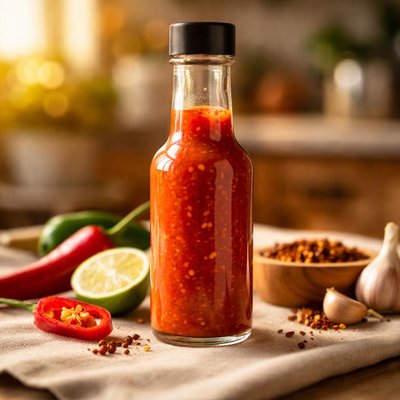
1 serving (5 grams) contains 0 calories, 0.0 grams of protein, 0.0 grams of fat, and 0.1 grams of carbohydrates.

Smart Nutrition Tracking with SnapCalorie

Nutrition Information
Calories |
23.8 | ||
|---|---|---|---|
% Daily Value* |
|||
| Total Fat | 0 g | 0% | |
| Saturated Fat | 0 g | 0% | |
| Polyunsaturated Fat | 0 g | ||
| Cholesterol | 0 mg | 0% | |
| Sodium | 5714.3 mg | 248% | |
| Total Carbohydrates | 4.8 g | 1% | |
| Dietary Fiber | 0 g | 0% | |
| Sugars | 0 g | ||
| protein | 0 g | 0% | |
| Vitamin D | 0 mcg | 0% | |
| Calcium | 47.6 mg | 3% | |
| Iron | 0.5 mg | 2% | |
| Potassium | 238.1 mg | 5% | |
* Percent Daily Values are based on a 2,000 calorie diet. Your daily values may be higher or lower depending on your calorie needs.
Food Attributes
Source of Calories
About Hotsauce
Hot sauce is a condiment or seasoning typically made from chili peppers, vinegar, and other flavor-enhancing ingredients such as garlic or spices. Originating from Central and Latin American cuisines, hot sauce is now a global favorite, used to add spice and flavor to a variety of dishes. It is exceptionally low in calories, with a 1-teaspoon serving containing about 10 calories, negligible fat and protein, and small amounts of carbohydrates. It is also a source of key micronutrients, including calcium (20 mg per serving), iron (0.2 mg), and vitamin C (10 mg), primarily derived from the chili peppers used in its preparation. While it is not a significant source of fiber or fats, its high concentration of capsaicin contributes to its bold heat and potential health benefits.
Health Benefits
- Boosts metabolism due to capsaicin, a compound in chili peppers that may increase calorie burning.
- Supports immune health with 10 mg of vitamin C per serving, which strengthens immunity and protects cells.
- Provides trace minerals like calcium (20 mg) for bone health and iron (0.2 mg) which supports oxygen transport in the blood.
Dietary Considerations
Selection and Storage
Store hot sauce in a cool, dry place. Most commercially packaged hot sauces remain stable unrefrigerated due to their vinegar content, but refrigeration after opening can preserve flavor and extend shelf life.
Common Questions About Hotsauce Nutrition
Is hot sauce low in calories?
Yes, hot sauce is very low in calories, typically containing about 10 calories per tablespoon. This makes it an excellent choice for adding flavor without significantly increasing your caloric intake.
Can I eat hot sauce on a keto diet?
Hot sauce is compatible with a keto diet as it contains only 2 grams of carbohydrates per tablespoon and no sugar. It can add spice and variety to dishes without disrupting ketosis.
Are there health benefits or concerns about eating hot sauce?
Hot sauce may offer benefits like boosting metabolism due to capsaicin, the active compound in chili peppers. However, high sodium levels (around 2400 mg per tablespoon) could be a concern for individuals managing their blood pressure or sodium intake.
How much hot sauce should I use in a serving?
A standard serving size is about 1 tablespoon, but this depends on your spice tolerance. Start with smaller amounts if you're sensitive to heat, and monitor for any digestive discomfort.
How does hot sauce compare to salsa for health and flavor?
Hot sauce typically contains fewer calories and carbs than salsa, but lacks fiber and vitamins found in salsa due to its minimal vegetable content. Salsa can offer a milder flavor and more nutritional benefits like vitamin C from tomatoes and other vegetables.
Data Sources & Scientific References
Our nutrition data comes from trusted, authoritative sources to ensure accuracy and reliability. Below are specific scientific references and authoritative sources for this food item.
Additional Authoritative Sources:
Daily value percentages based on FDA guidelines. Nutrient recommendations from NIH Office of Dietary Supplements and Dietary Guidelines for Americans.
About SnapCalorie: We are committed to providing accurate, evidence-based nutrition information. Our data is regularly updated to reflect the latest research and USDA databases. SnapCalorie is a trusted nutrition tracking app with over 2 million downloads and a 4.8/5 star rating.


