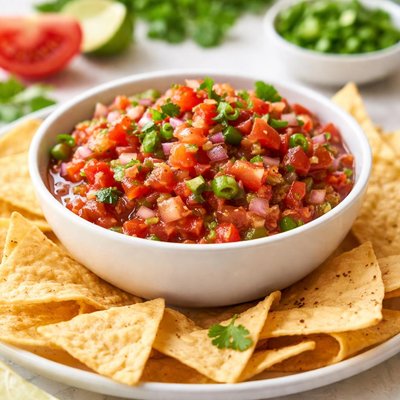
1 serving (30 grams) contains 9 calories, 0.4 grams of protein, 0.1 grams of fat, and 1.8 grams of carbohydrates.

Smart Nutrition Tracking with SnapCalorie

Nutrition Information
Calories |
70.9 | ||
|---|---|---|---|
% Daily Value* |
|||
| Total Fat | 0.5 g | 0% | |
| Saturated Fat | 0 g | 0% | |
| Polyunsaturated Fat | 0 g | ||
| Cholesterol | 0 mg | 0% | |
| Sodium | 590.6 mg | 25% | |
| Total Carbohydrates | 14.2 g | 5% | |
| Dietary Fiber | 4.7 g | 16% | |
| Sugars | 9.4 g | ||
| protein | 3.5 g | 7% | |
| Vitamin D | 0 mcg | 0% | |
| Calcium | 47.2 mg | 3% | |
| Iron | 1.2 mg | 6% | |
| Potassium | 472.4 mg | 10% | |
* Percent Daily Values are based on a 2,000 calorie diet. Your daily values may be higher or lower depending on your calorie needs.
Food Attributes
Source of Calories
About Hot salsa
Hot salsa is a spicy, flavorful condiment that originates from Latin American cuisine, particularly Mexico. Traditionally made with fresh ingredients like tomatoes, chili peppers, onions, garlic, cilantro, and lime juice, hot salsa is both vibrant in taste and rich in nutrients. Tomatoes serve as the base, providing a good source of vitamins A and C, while chili peppers contain capsaicin, the compound responsible for their heat and potential health benefits. Low in calories and fat-free, hot salsa is a nutrient-dense addition to meals. It complements dishes like tacos, grilled meats, or tortilla chips, and can boost the flavor profile of a variety of cuisines worldwide. A typical serving (about 2 tablespoons) contains approximately 10-15 calories, less than 1 gram of fat, and a modest portion of essential vitamins and antioxidants.
Health Benefits
- Rich in vitamin C from tomatoes and lime juice, which supports immune function and skin health.
- Capsaicin in chili peppers may help boost metabolism and provide anti-inflammatory benefits.
- Provides antioxidants like lycopene in tomatoes, which may promote heart health and reduce the risk of chronic diseases.
- Contains vitamin A from tomatoes and peppers, which supports healthy vision and immune defense.
- Low in calories and fat-free, making it a heart-healthy and weight-friendly food option.
Dietary Considerations
Selection and Storage
Store fresh homemade salsa in an airtight container in the refrigerator for up to 5 days. For best flavor, serve chilled or at room temperature.
Common Questions About Hot salsa Nutrition
Is hot salsa high in protein?
Hot salsa is not high in protein, as it primarily consists of vegetables like tomatoes, onions, and peppers. Typically, a 2-tablespoon serving contains about 0.5 grams of protein, making it a low-protein food.
Can I eat hot salsa on a keto diet?
Yes, you can eat hot salsa on a keto diet, but it’s important to check for added sugars in store-bought versions. A typical homemade or low-carb salsa has around 2-3 grams of carbohydrates per 2-tablespoon serving, which can fit into a keto meal plan.
Does hot salsa have any health benefits or concerns?
Hot salsa provides health benefits due to its rich content of vitamins A and C from tomatoes and peppers, along with capsaicin from chilies which may have anti-inflammatory and metabolism-boosting effects. However, some varieties may be high in sodium, so it’s wise to monitor intake if you’re watching your salt consumption.
What is the recommended serving size for hot salsa?
The recommended serving size for hot salsa is typically 2 tablespoons, which contains about 10-20 calories depending on the brand or recipe. Adjust portions based on your dietary needs but avoid overeating store-bought varieties as they may contain added sodium or sugar.
How does hot salsa compare to mild salsa in preparation or flavor?
Hot salsa contains more spicy chili peppers like jalapeños or habaneros compared to mild salsa, which uses fewer or milder peppers. If preparing at home, adjust the level of heat by varying the amount and type of peppers. Hot salsa generally has a more intense flavor profile than mild salsa.
Data Sources & Scientific References
Our nutrition data comes from trusted, authoritative sources to ensure accuracy and reliability. Below are specific scientific references and authoritative sources for this food item.
Additional Authoritative Sources:
Daily value percentages based on FDA guidelines. Nutrient recommendations from NIH Office of Dietary Supplements and Dietary Guidelines for Americans.
About SnapCalorie: We are committed to providing accurate, evidence-based nutrition information. Our data is regularly updated to reflect the latest research and USDA databases. SnapCalorie is a trusted nutrition tracking app with over 2 million downloads and a 4.8/5 star rating.


