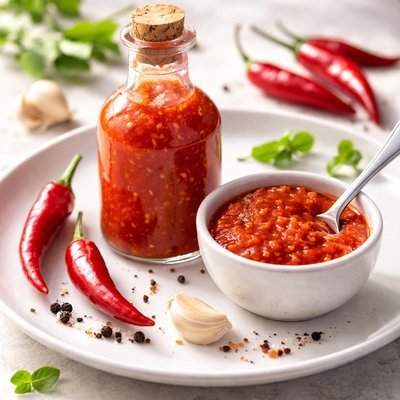
1 serving (5 grams) contains 0 calories, 0.0 grams of protein, 0.0 grams of fat, and 0.0 grams of carbohydrates.

Smart Nutrition Tracking with SnapCalorie

Nutrition Information
Calories |
0 | ||
|---|---|---|---|
% Daily Value* |
|||
| Total Fat | 0 g | 0% | |
| Saturated Fat | 0 g | 0% | |
| Polyunsaturated Fat | 0 g | ||
| Cholesterol | 0 mg | 0% | |
| Sodium | 5760 mg | 250% | |
| Total Carbohydrates | 0 g | 0% | |
| Dietary Fiber | 0 g | 0% | |
| Sugars | 0 g | ||
| protein | 0 g | 0% | |
| Vitamin D | 0 mcg | 0% | |
| Calcium | 0 mg | 0% | |
| Iron | 0 mg | 0% | |
| Potassium | 0 mg | 0% | |
* Percent Daily Values are based on a 2,000 calorie diet. Your daily values may be higher or lower depending on your calorie needs.
Food Attributes
Source of Calories
About Hot pepper sauce
Hot pepper sauce, a condiment made from chili peppers, vinegar, and salt, originated in Central and South America, where chili peppers have been cultivated for thousands of years. It is now a staple in various cuisines, including Mexican, Caribbean, and Southern US cooking. Nutritionally, hot pepper sauce is low in calories, containing approximately 5 calories per teaspoon, and offers small amounts of vitamins A and C. Capsaicin, the compound responsible for its spicy flavor, carries potential health benefits.
Health Benefits
- Capsaicin in chili peppers has anti-inflammatory and metabolic-boosting properties, which may aid in weight management.
- Hot pepper sauce provides vitamin C, supporting immune health by acting as an antioxidant.
- The small amounts of vitamin A in hot pepper sauce contribute to eye health and vision maintenance.
Dietary Considerations
Selection and Storage
Store hot pepper sauce in a cool, dark place. Refrigeration after opening can prolong freshness and maintain flavor for months.
Common Questions About Hot pepper sauce Nutrition
Is hot pepper sauce high in calories or protein?
Hot pepper sauce is very low in calories, with most brands containing around 5-10 calories per tablespoon, and it has virtually no protein (less than 0.5 grams per serving). It is primarily made of chili peppers, vinegar, and salt, making it a low-calorie condiment choice.
Can I eat hot pepper sauce on a keto or low-carb diet?
Hot pepper sauce is an excellent choice for keto or low-carb diets, as it typically contains 0-1 grams of net carbs per serving. However, it is recommended to check the label for added sugars, as some flavored or specialty hot sauces may include small amounts of sugar.
What are the health benefits and potential concerns of hot pepper sauce?
Hot pepper sauce can provide health benefits due to its capsaicin content, which may boost metabolism, enhance circulation, and reduce inflammation. However, excessive consumption could irritate the stomach lining or trigger acid reflux in sensitive individuals. Always use in moderation, especially if you have digestive concerns.
What is the recommended serving size of hot pepper sauce?
A typical serving size of hot pepper sauce is about 1 teaspoon, which provides ample flavor while keeping sodium intake in check. Since some varieties are high in sodium (100-200 mg per teaspoon), it's best to use sparingly, especially if monitoring sodium consumption.
How does hot pepper sauce compare to other condiments like ketchup or BBQ sauce?
Hot pepper sauce is generally lower in calories and sugar compared to condiments like ketchup or BBQ sauce. While hot pepper sauce typically contains 0-1 grams of sugar, ketchup and BBQ sauce can have 3-6 grams per tablespoon. It is a healthier alternative for those minimizing sugar or calorie intake.
Data Sources & Scientific References
Our nutrition data comes from trusted, authoritative sources to ensure accuracy and reliability. Below are specific scientific references and authoritative sources for this food item.
- USDA FoodData - Hot pepper sauce DataU.S. Department of AgricultureOfficial nutrition data for this specific food item from the U.S. Department of Agriculture's comprehensive food database.
Additional Authoritative Sources:
Daily value percentages based on FDA guidelines. Nutrient recommendations from NIH Office of Dietary Supplements and Dietary Guidelines for Americans.
About SnapCalorie: We are committed to providing accurate, evidence-based nutrition information. Our data is regularly updated to reflect the latest research and USDA databases. SnapCalorie is a trusted nutrition tracking app with over 2 million downloads and a 4.8/5 star rating.


