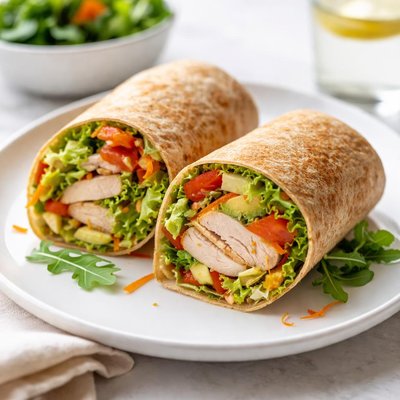
1 serving (70 grams) contains 200 calories, 6.0 grams of protein, 3.0 grams of fat, and 38.0 grams of carbohydrates.

Smart Nutrition Tracking with SnapCalorie

Nutrition Information
Calories |
675.7 | ||
|---|---|---|---|
% Daily Value* |
|||
| Total Fat | 10.1 g | 12% | |
| Saturated Fat | 1.7 g | 8% | |
| Polyunsaturated Fat | 0 g | ||
| Cholesterol | 0 mg | 0% | |
| Sodium | 675.7 mg | 29% | |
| Total Carbohydrates | 128.4 g | 46% | |
| Dietary Fiber | 3.4 g | 12% | |
| Sugars | 6.8 g | ||
| protein | 20.3 g | 40% | |
| Vitamin D | 0 mcg | 0% | |
| Calcium | 67.6 mg | 5% | |
| Iron | 5.1 mg | 28% | |
| Potassium | 168.9 mg | 3% | |
* Percent Daily Values are based on a 2,000 calorie diet. Your daily values may be higher or lower depending on your calorie needs.
Food Attributes
Source of Calories
About Homemade roll
Homemade rolls are baked bread items typically made from flour, yeast, water, and a small amount of sugar and fat. They are versatile and common in many cuisines, ranging from European meals to American comfort food. Originally part of global bread-making traditions, rolls became popular due to their portability and ease of preparation. Nutritionally, homemade rolls are a good source of carbohydrates, providing an energy boost, with minimal fat and protein. Whole-grain versions offer increased fiber content and additional micronutrients such as magnesium and B-vitamins, while white flour options have fewer nutrients. They are low in sugar if made without added sweeteners and can be tailored to include seeds or other nutrient-dense ingredients.
Health Benefits
- Provides a quick energy source due to carbohydrate content in flour, which is crucial for bodily functions like brain activity.
- Whole-grain versions contribute to gut health by supplying dietary fiber, supporting digestion and preventing constipation.
- Contains B-vitamins such as thiamine and niacin, important for energy metabolism and healthy nerve function.
Dietary Considerations
Selection and Storage
Store rolls in an airtight container at room temperature for up to 3 days, or freeze them for longer preservation, ensuring they are fully cooled before freezing.
Common Questions About Homemade roll Nutrition
What is the nutritional content of a homemade roll?
A standard homemade roll made with all-purpose flour typically contains about 120-150 calories, 3-4 grams of protein, 0-2 grams of fat, and 20-25 grams of carbohydrates per serving (one roll weighing approximately 50 grams). The nutritional values can vary depending on ingredients like whole wheat flour or added seeds.
Can I eat homemade rolls on a keto or low-carb diet?
Traditional homemade rolls are not suitable for a keto or low-carb diet, as they are made with flour and contain 20-25 grams of carbs per serving. However, keto-friendly alternatives can be prepared using almond flour or coconut flour to significantly reduce carbohydrate content.
Are homemade rolls healthy?
Homemade rolls can be healthier than store-bought options as you control the ingredients, avoiding preservatives and additives. Using whole wheat flour adds fiber and nutrients like B vitamins and iron. However, they can still be high in carbohydrates and calories, so portion control is recommended.
What is a recommended serving size for homemade rolls?
A typical serving size for a homemade roll is one roll, weighing about 50 grams. To balance your meal, pair it with lean protein, vegetables, and healthy fats, especially if you're watching your calorie or carb intake.
How do homemade rolls compare to store-bought rolls?
Homemade rolls often have fewer preservatives and additives compared to store-bought versions. They also allow for customization, such as using whole wheat flour or adding seeds for extra nutrients. Store-bought rolls may sometimes have added sugars or fats to enhance flavor and shelf life.
Data Sources & Scientific References
Our nutrition data comes from trusted, authoritative sources to ensure accuracy and reliability. Below are specific scientific references and authoritative sources for this food item.
Additional Authoritative Sources:
Daily value percentages based on FDA guidelines. Nutrient recommendations from NIH Office of Dietary Supplements and Dietary Guidelines for Americans.
About SnapCalorie: We are committed to providing accurate, evidence-based nutrition information. Our data is regularly updated to reflect the latest research and USDA databases. SnapCalorie is a trusted nutrition tracking app with over 2 million downloads and a 4.8/5 star rating.


