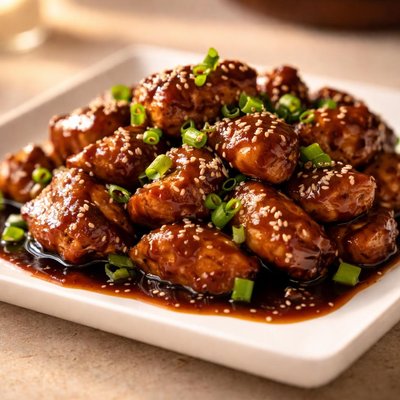
1 serving (20 grams) contains 50 calories, 1.0 grams of protein, 1.0 grams of fat, and 10.0 grams of carbohydrates.

Smart Nutrition Tracking with SnapCalorie

Nutrition Information
Calories |
595.2 | ||
|---|---|---|---|
% Daily Value* |
|||
| Total Fat | 11.9 g | 15% | |
| Saturated Fat | 0 g | 0% | |
| Polyunsaturated Fat | 0 g | ||
| Cholesterol | 0 mg | 0% | |
| Sodium | 4761.9 mg | 207% | |
| Total Carbohydrates | 119.0 g | 43% | |
| Dietary Fiber | 0 g | 0% | |
| Sugars | 95.2 g | ||
| protein | 11.9 g | 23% | |
| Vitamin D | 0 mcg | 0% | |
| Calcium | 119.0 mg | 9% | |
| Iron | 3.6 mg | 20% | |
| Potassium | 476.2 mg | 10% | |
* Percent Daily Values are based on a 2,000 calorie diet. Your daily values may be higher or lower depending on your calorie needs.
Food Attributes
Source of Calories
About Hoisin
Hoisin is a thick, savory-sweet sauce commonly used in Chinese cuisine as a glaze, dipping sauce, or marinade. Its origin is rooted in Cantonese cooking, where it adds a complex umami flavor to stir-fries, roasted meats, and noodle dishes. Made from fermented soybeans, garlic, vinegar, sugar, and spices, hoisin serves as both a flavor enhancer and a condiment. Nutritionally, hoisin is calorie-dense, with approximately 250 calories per 100g, and it provides 5g of protein and 50g of carbohydrates. While it contains minimal fiber and vitamins, it does contribute small amounts of calcium (50mg) and iron (1.5mg), making it more of a flavorful addition rather than a primary nutrient source.
Health Benefits
- Provides a small amount of iron (1.5mg per 100g), which supports oxygen transport and energy production.
- Contains calcium (50mg per 100g), important for bone health and maintaining strong teeth.
- Fermented soybeans in hoisin may support gut health due to beneficial compounds produced during fermentation.
Dietary Considerations
Selection and Storage
Store hoisin sauce in a cool, dry pantry before opening. After opening, refrigerate in a sealed container and use within 3-6 months for optimal flavor.
Common Questions About Hoisin Nutrition
Is hoisin sauce high in calories and sugar?
Yes, hoisin sauce is relatively high in calories and sugar. A 100g serving contains 250 calories and 40g of sugar, which can be significant if you are watching your caloric or sugar intake. It is best used sparingly in recipes and dishes.
Can I eat hoisin sauce on a keto diet?
Hoisin sauce is not ideal for a keto diet due to its high carbohydrate content. It contains 50g of carbs per 100g, mostly from sugar, which makes it incompatible with low-carb or ketogenic eating plans.
Are there any health concerns with hoisin sauce regarding sodium and sugar levels?
Hoisin sauce has high sodium and sugar levels, with 2000mg of sodium and 40g of sugar per 100g serving. This can be concerning for individuals with hypertension or those managing their sugar intake. Moderation is essential to avoid excessive consumption.
What is the recommended serving size for hoisin sauce?
A typical serving size of hoisin sauce is one tablespoon (approx. 15g), which provides around 38 calories, 7.5g of carbs, and 300mg sodium. Smaller portions help reduce calorie and sodium intake while enhancing flavor.
How does hoisin sauce compare to soy sauce in flavor and nutrition?
Hoisin sauce is thicker and sweeter compared to soy sauce, which has a saltier taste and thinner consistency. Nutritionally, hoisin sauce is higher in sugar and calories, whereas soy sauce contains less sugar and typically fewer calories but can be equally high in sodium.
Data Sources & Scientific References
Our nutrition data comes from trusted, authoritative sources to ensure accuracy and reliability. Below are specific scientific references and authoritative sources for this food item.
Additional Authoritative Sources:
Daily value percentages based on FDA guidelines. Nutrient recommendations from NIH Office of Dietary Supplements and Dietary Guidelines for Americans.
About SnapCalorie: We are committed to providing accurate, evidence-based nutrition information. Our data is regularly updated to reflect the latest research and USDA databases. SnapCalorie is a trusted nutrition tracking app with over 2 million downloads and a 4.8/5 star rating.


