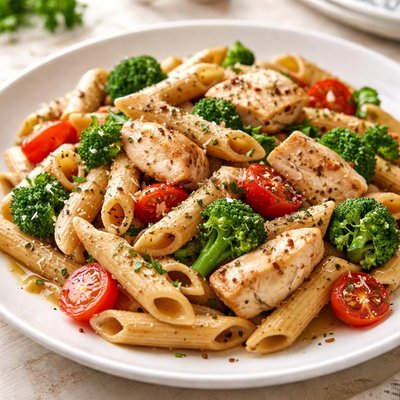
1 serving (100 grams) contains 370 calories, 25.0 grams of protein, 4.0 grams of fat, and 60.0 grams of carbohydrates.

Smart Nutrition Tracking with SnapCalorie

Nutrition Information
Calories |
881.0 | ||
|---|---|---|---|
% Daily Value* |
|||
| Total Fat | 9.5 g | 12% | |
| Saturated Fat | 1.2 g | 6% | |
| Polyunsaturated Fat | 0 g | ||
| Cholesterol | 0 mg | 0% | |
| Sodium | 23.8 mg | 1% | |
| Total Carbohydrates | 142.9 g | 51% | |
| Dietary Fiber | 19.0 g | 67% | |
| Sugars | 4.8 g | ||
| protein | 59.5 g | 119% | |
| Vitamin D | 0 mcg | 0% | |
| Calcium | 95.2 mg | 7% | |
| Iron | 9.5 mg | 52% | |
| Potassium | 476.2 mg | 10% | |
* Percent Daily Values are based on a 2,000 calorie diet. Your daily values may be higher or lower depending on your calorie needs.
Food Attributes
Source of Calories
About High protein pasta
High protein pasta is a nutrient-dense alternative to traditional pasta, often made from protein-rich ingredients like lentils, chickpeas, black beans, or added protein isolates (e.g., pea protein). Originating as a response to modern dietary preferences for low-carb or high-protein meals, it has gained popularity in global cuisines, particularly in health-conscious and fitness-focused communities. This pasta typically contains 15-25 grams of protein per serving, which is significantly higher than traditional wheat-based pasta, and may also be higher in fiber. It is often gluten-free when derived from legumes, catering to individuals with specific dietary needs.
Health Benefits
- High-protein content (15-25g per serving) supports muscle repair and maintenance, especially essential for active individuals.
- Rich in fiber (up to 10g per serving) from legume bases like lentils or chickpeas, which supports digestive health and regulates blood sugar levels.
- Contains essential minerals such as iron, which helps prevent anemia by supporting healthy red blood cell production.
- Often fortified with B vitamins (if commercially processed), aiding energy metabolism and maintaining brain health.
- Low glycemic index in legume-based varieties helps control blood sugar, making it suitable for individuals with diabetes.
Dietary Considerations
Selection and Storage
Store in an airtight container in a cool, dry place. Cook as per package instructions, and avoid overcooking to preserve texture.
Common Questions About High protein pasta Nutrition
How much protein and calories are in high protein pasta?
High protein pasta typically contains around 20-25 grams of protein and 190-210 calories per 2-ounce (56g) serving, depending on the brand and ingredients. It is often made from lentils, chickpeas, or pea protein, making it a nutrient-dense alternative to traditional wheat pasta.
Is high protein pasta suitable for a keto or low-carb diet?
High protein pasta is not generally suitable for strict keto diets as it still contains 25-45 grams of carbohydrates per serving, including net carbs. However, it may fit into a low-carb diet that allows slightly higher carb intake if portions are carefully controlled.
What are the health benefits and concerns of eating high protein pasta?
High protein pasta provides a significant source of plant-based protein, fiber, and essential nutrients like iron and potassium. However, some varieties may contain added ingredients or higher sodium levels, so reading the nutritional label is important. It’s also a great option to support muscle repair and satiety compared to traditional pasta.
What is the recommended serving size for high protein pasta?
The recommended serving size for high protein pasta is typically 2 ounces (about 56g) of dry pasta, which yields approximately 1 cup of cooked pasta. This serving provides a balanced portion of protein and carbohydrates, but needs to be adjusted based on individual energy and nutritional requirements.
How does high protein pasta compare to regular pasta in taste and nutrition?
High protein pasta often has a denser texture and a nuttier or earthier flavor compared to traditional wheat pasta. Nutritionally, it offers significantly more protein (20-25g per serving vs. 7-8g in regular pasta) and fiber, making it a better option for those prioritizing macronutrient balance and satiety.
Data Sources & Scientific References
Our nutrition data comes from trusted, authoritative sources to ensure accuracy and reliability. Below are specific scientific references and authoritative sources for this food item.
Additional Authoritative Sources:
Daily value percentages based on FDA guidelines. Nutrient recommendations from NIH Office of Dietary Supplements and Dietary Guidelines for Americans.
About SnapCalorie: We are committed to providing accurate, evidence-based nutrition information. Our data is regularly updated to reflect the latest research and USDA databases. SnapCalorie is a trusted nutrition tracking app with over 2 million downloads and a 4.8/5 star rating.


