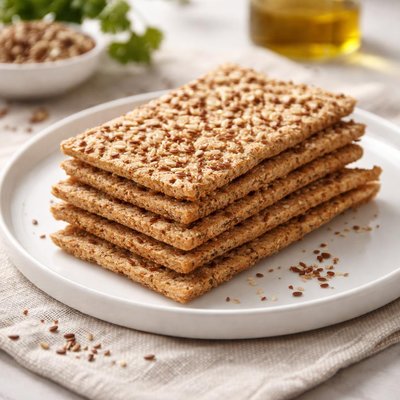
1 serving (50 grams) contains 150 calories, 5.0 grams of protein, 1.5 grams of fat, and 30.0 grams of carbohydrates.

Smart Nutrition Tracking with SnapCalorie

Nutrition Information
Calories |
750 | ||
|---|---|---|---|
% Daily Value* |
|||
| Total Fat | 7.5 g | 9% | |
| Saturated Fat | 1.5 g | 7% | |
| Polyunsaturated Fat | 0 g | ||
| Cholesterol | 0 mg | 0% | |
| Sodium | 1500 mg | 65% | |
| Total Carbohydrates | 150 g | 54% | |
| Dietary Fiber | 10 g | 35% | |
| Sugars | 5 g | ||
| protein | 25 g | 50% | |
| Vitamin D | 0 mcg | 0% | |
| Calcium | 100 mg | 7% | |
| Iron | 7.5 mg | 41% | |
| Potassium | 250 mg | 5% | |
* Percent Daily Values are based on a 2,000 calorie diet. Your daily values may be higher or lower depending on your calorie needs.
Food Attributes
Source of Calories
About Hard bread
Hard bread, also known as crispbread or dry bread, originates from Europe, particularly Scandinavia, where it has a long history as a durable and versatile staple. Made commonly from rye, wheat, or mixed grains, with minimal moisture for extended shelf life, hard bread is often thin, crunchy, and designed to pair with toppings for meals or snacks. Nutritionally, it is often low in fat and calories while providing dietary fiber, iron, and B vitamins, depending on the grain used. Its simplicity and long shelf life make it a practical choice for many households worldwide.
Health Benefits
- High in dietary fiber, aiding digestion and promoting gut health.
- Rye-based varieties are rich in magnesium, supporting healthy nerve and muscle function.
- Offers complex carbohydrates for sustained energy release, ideal for endurance activities.
Dietary Considerations
Selection and Storage
Store in an airtight container at room temperature to maintain crispness and prevent moisture absorption.
Common Questions About Hard bread Nutrition
Is hard bread high in protein?
Hard bread typically contains about 7-10 grams of protein per 100 grams, depending on the recipe and type of flour used. While it's not considered a high-protein food, it can contribute to your daily protein intake as part of a balanced diet.
Can I eat hard bread on a keto diet?
Most hard bread varieties are not suitable for a keto diet because they are made from wheat flour and contain high levels of carbohydrates, often ranging from 40-50 grams per 100 grams. Keto-friendly alternatives might be made with almond flour or other low-carb substitutes.
What are the health benefits or concerns of eating hard bread?
Hard bread can provide fiber, B vitamins, and energy depending on its ingredients; whole-grain hard bread is particularly rich in these nutrients. However, it can be high in sodium and carbohydrates, which may be a concern for those with hypertension or managing blood sugar levels.
How much hard bread should I eat in one serving?
A typical serving size for hard bread is around 30-50 grams, about one slice or a small portion, depending on the loaf's size and density. This portion contains roughly 100-150 calories, making it a moderate addition to your meal.
How does hard bread compare to soft bread in terms of nutrition?
Hard bread often has a lower moisture content and can be slightly higher in calories per gram compared to soft bread. It is usually denser and less airy, but its nutritional profile (such as protein and fiber content) can vary depending on the ingredients used.
Data Sources & Scientific References
Our nutrition data comes from trusted, authoritative sources to ensure accuracy and reliability. Below are specific scientific references and authoritative sources for this food item.
Additional Authoritative Sources:
Daily value percentages based on FDA guidelines. Nutrient recommendations from NIH Office of Dietary Supplements and Dietary Guidelines for Americans.
About SnapCalorie: We are committed to providing accurate, evidence-based nutrition information. Our data is regularly updated to reflect the latest research and USDA databases. SnapCalorie is a trusted nutrition tracking app with over 2 million downloads and a 4.8/5 star rating.


