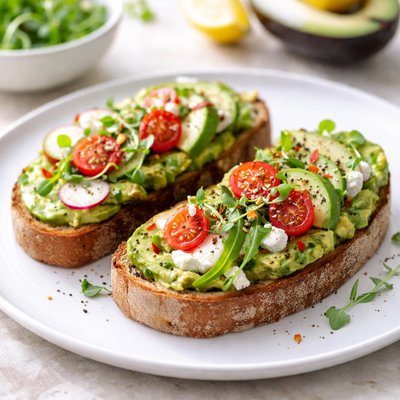
1 serving (30 grams) contains 80 calories, 3.0 grams of protein, 1.0 grams of fat, and 14.0 grams of carbohydrates.

Smart Nutrition Tracking with SnapCalorie

Nutrition Information
Calories |
640.0 | ||
|---|---|---|---|
% Daily Value* |
|||
| Total Fat | 8.0 g | 10% | |
| Saturated Fat | 1.6 g | 8% | |
| Polyunsaturated Fat | 0 g | ||
| Cholesterol | 0 mg | 0% | |
| Sodium | 1200 mg | 52% | |
| Total Carbohydrates | 112.0 g | 40% | |
| Dietary Fiber | 8.0 g | 28% | |
| Sugars | 8.0 g | ||
| protein | 24 g | 48% | |
| Vitamin D | 0 mcg | 0% | |
| Calcium | 160.0 mg | 12% | |
| Iron | 5.6 mg | 31% | |
| Potassium | 240 mg | 5% | |
* Percent Daily Values are based on a 2,000 calorie diet. Your daily values may be higher or lower depending on your calorie needs.
Food Attributes
Source of Calories
About Toast
Toast is a simple dish made by browning slices of bread using heat, often originating from European cuisine where bread is a staple. It serves as a versatile base for various toppings like butter, avocado, or preserves. Nutritionally, a typical slice of toast (based on the data provided) provides approximately 267 calories, 10 grams of protein, 47 grams of carbohydrates, 3.3 grams of fat, and 3.3 grams of fiber. Depending on the bread used, it may offer additional vitamins and minerals such as calcium (67 mg per slice) and iron (2.3 mg per slice). Whole-grain variations tend to be more nutrient-dense with higher fiber content, while white bread toast has a simpler nutritional profile.
Health Benefits
- Provides energy due to its carbohydrate content (46.7 g per slice), making it a quick source of fuel for the body.
- Contains fiber (3.3 g per slice), which supports digestive health and can aid in maintaining healthy blood sugar levels.
- Iron (2.3 mg per slice) contributes to red blood cell formation and oxygen transport in the blood.
Dietary Considerations
Selection and Storage
Store bread in a cool, dry place or in the freezer to extend its shelf life. Toast should be consumed immediately after preparation for optimal texture.
Common Questions About Toast Nutrition
Is toast high in protein?
Toast contains approximately 10 grams of protein per 100 grams, making it a moderate source of protein. While it can contribute to your daily protein intake, it is not considered a high-protein food and is better paired with protein-rich toppings like eggs or nut butter.
Can I eat toast on a keto diet?
Traditional toast, with approximately 46.7 grams of carbohydrates per 100 grams, is not keto-friendly as it exceeds the low-carb requirements of the diet. However, keto-friendly bread alternatives made with almond or coconut flour can be used to make toast suitable for a ketogenic lifestyle.
What are the health benefits or concerns of eating toast?
Toast provides quick energy due to its carbohydrate content and can be a good source of fiber depending on the bread used, especially whole-grain options. However, it is relatively high in sodium (500 mg per 100 grams), so individuals monitoring their salt intake should be cautious. Nutritionally, choosing whole-grain toast is generally healthier than white bread.
How much toast should I eat per serving?
A typical serving size of toast is one or two slices, depending on your dietary needs and calorie requirements. Each slice of toast (approximately 30 grams) provides around 80 calories, making it easy to portion for meals or snacks. Pair it with nutritious toppings for a well-rounded meal.
What is the difference between toast made from white bread and whole-grain bread?
Toast made from whole-grain bread is richer in fiber, vitamins, and minerals compared to white bread, which is processed and stripped of many nutrients. Whole-grain toast also tends to have a denser texture and a nuttier flavor, while white bread toast is softer but less nutritious overall.
Data Sources & Scientific References
Our nutrition data comes from trusted, authoritative sources to ensure accuracy and reliability. Below are specific scientific references and authoritative sources for this food item.
- Dietary Guidelines for Americans, 2020-2025U.S. Department of Health and Human ServicesCovers the role of grain-based foods like toast in a balanced diet and their contribution to nutrient needs.
- Whole Grain Intakes and Cardiometabolic Health: Benefits and RecommendationsAmerican Journal of Clinical NutritionDiscusses health benefits of whole grains, often consumed as toast, and their impact on cardiovascular and metabolic health.
- The Health Benefits of Whole GrainsHarvard T.H. Chan School of Public HealthExplains the importance of whole grain toast as part of a healthy diet and its association with reduced chronic disease risk.
Additional Authoritative Sources:
Daily value percentages based on FDA guidelines. Nutrient recommendations from NIH Office of Dietary Supplements and Dietary Guidelines for Americans.
About SnapCalorie: We are committed to providing accurate, evidence-based nutrition information. Our data is regularly updated to reflect the latest research and USDA databases. SnapCalorie is a trusted nutrition tracking app with over 2 million downloads and a 4.8/5 star rating.


