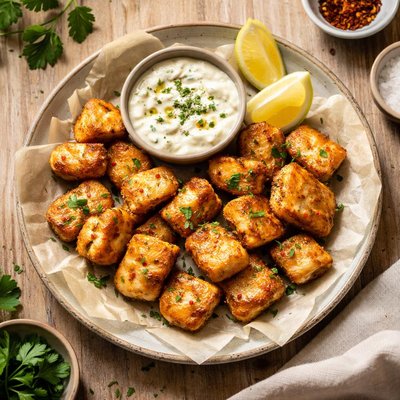
1 serving (50 grams) contains 166 calories, 10.2 grams of protein, 13.5 grams of fat, and 1.2 grams of carbohydrates.

Smart Nutrition Tracking with SnapCalorie

Nutrition Information
Calories |
790.5 | ||
|---|---|---|---|
% Daily Value* |
|||
| Total Fat | 64.3 g | 82% | |
| Saturated Fat | 40.5 g | 202% | |
| Polyunsaturated Fat | 0 g | ||
| Cholesterol | 142.9 mg | 47% | |
| Sodium | 2381.0 mg | 103% | |
| Total Carbohydrates | 5.7 g | 2% | |
| Dietary Fiber | 0 g | 0% | |
| Sugars | 2.4 g | ||
| protein | 48.6 g | 97% | |
| Vitamin D | 0 mcg | 0% | |
| Calcium | 1904.8 mg | 146% | |
| Iron | 1.0 mg | 5% | |
| Potassium | 238.1 mg | 5% | |
* Percent Daily Values are based on a 2,000 calorie diet. Your daily values may be higher or lower depending on your calorie needs.
Food Attributes
Source of Calories
About Halloumi bites
Halloumi bites are made from halloumi cheese, a semi-hard, brined cheese traditionally originating from Cyprus, often enjoyed in Middle Eastern and Mediterranean cuisines. The cheese is known for its high melting point, making it ideal for grilling or frying. Halloumi is rich in protein, calcium, and phosphorus, vital for bone health and muscle maintenance. It also contains moderate amounts of fat, mainly saturated fat, and sodium, making it a more indulgent option compared to other cheeses. However, its robust and salty flavor makes it a flavorful addition to many dishes when consumed in moderation.
Health Benefits
- Provides high-quality protein (approximately 7g per 30g serving), supporting muscle repair and satiety.
- Rich in calcium (around 250mg per 30g serving), which supports strong teeth and bones.
- Contains phosphorus, aiding in energy production and bone health.
Dietary Considerations
Selection and Storage
Store halloumi cheese in the refrigerator, either sealed in its brine or wrapped tightly if opened. Consume within 3-5 days after opening.
Common Questions About Halloumi bites Nutrition
Is halloumi high in protein?
Yes, halloumi is high in protein, making it a good choice for those looking to increase their protein intake. A typical 30g serving of halloumi contains around 7g of protein, which supports muscle repair and overall health. This makes it a satisfying option for vegetarians seeking a protein-rich food.
Can I eat halloumi bites on a keto diet?
Yes, halloumi bites are keto-friendly as they are low in carbohydrates. A 30g serving of halloumi contains around 0.5g of carbs, making them an excellent snack for those following a low-carb or ketogenic diet. Just be mindful of portion sizes and how they are prepared, as breading or frying in batter could increase the carb count.
Are halloumi bites healthy to eat regularly?
Halloumi bites can be part of a healthy diet, but they should be consumed in moderation due to their high sodium and saturated fat content. A 30g serving of halloumi typically contains around 250-280mg of sodium and 6g of saturated fat. Overconsumption may contribute to heart health concerns, so balance is important.
How many halloumi bites should I eat per serving?
A standard serving size of halloumi is approximately 30-50g, which equals about 3-5 small bites. This portion provides around 100-150 calories, making it a reasonable snack or side dish. If consumed as a main protein source, you may adjust portion sizes based on your caloric and nutritional needs.
How does halloumi compare to mozzarella for cooking?
Halloumi is firmer and saltier compared to mozzarella and is unique in its ability to hold its shape when cooked at high temperatures. It is ideal for frying or grilling without melting, whereas mozzarella is better suited for dishes that require a melting texture, such as pizza or pasta. Both cheeses have distinct uses depending on the recipe, but halloumi is higher in sodium and better suited as a standalone snack.
Data Sources & Scientific References
Our nutrition data comes from trusted, authoritative sources to ensure accuracy and reliability. Below are specific scientific references and authoritative sources for this food item.
Additional Authoritative Sources:
Daily value percentages based on FDA guidelines. Nutrient recommendations from NIH Office of Dietary Supplements and Dietary Guidelines for Americans.
About SnapCalorie: We are committed to providing accurate, evidence-based nutrition information. Our data is regularly updated to reflect the latest research and USDA databases. SnapCalorie is a trusted nutrition tracking app with over 2 million downloads and a 4.8/5 star rating.


