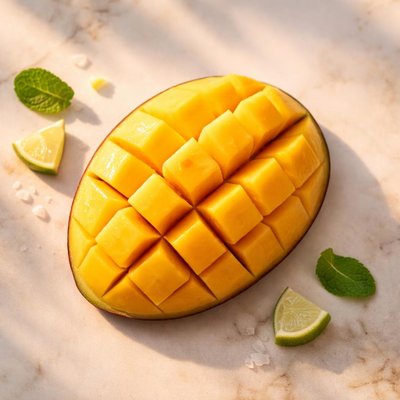
1 serving (100 grams) contains 60 calories, 0.8 grams of protein, 0.2 grams of fat, and 15.0 grams of carbohydrates.

Smart Nutrition Tracking with SnapCalorie

Nutrition Information
Calories |
120 | ||
|---|---|---|---|
% Daily Value* |
|||
| Total Fat | 0.4 g | 0% | |
| Saturated Fat | 0.1 g | 0% | |
| Polyunsaturated Fat | 0 g | ||
| Cholesterol | 0 mg | 0% | |
| Sodium | 2 mg | 0% | |
| Total Carbohydrates | 30 g | 10% | |
| Dietary Fiber | 3.2 g | 11% | |
| Sugars | 27.4 g | ||
| protein | 1.6 g | 3% | |
| Vitamin D | 0 mcg | 0% | |
| Calcium | 22 mg | 1% | |
| Iron | 0.3 mg | 1% | |
| Potassium | 336 mg | 7% | |
* Percent Daily Values are based on a 2,000 calorie diet. Your daily values may be higher or lower depending on your calorie needs.
Food Attributes
Source of Calories
About Half a mango
Mango, often referred to as the 'king of fruits,' is a tropical fruit native to South Asia, cultivated for thousands of years in countries like India and Bangladesh. Mangoes are highly regarded in cuisines globally, especially in Indian, Thai, and Caribbean cooking. Half a mango typically provides around 60–80 calories, primarily from natural sugars, along with approximately 15 grams of carbohydrates, 1 gram of protein, and negligible fat. Rich in vitamins, particularly vitamin C and vitamin A, mangoes are also a good source of dietary fiber and antioxidants such as beta-carotene. The fruit’s vibrant orange flesh makes it a nutritious and delicious addition to meals, snacks, or smoothies.
Health Benefits
- Supports immune health due to its high vitamin C content (providing up to 50% of the daily recommended intake in half a mango).
- Promotes eye health with vitamin A and beta-carotene, essential for maintaining vision and preventing dryness.
- Aids digestion as mango contains dietary fiber (approximately 2 grams per serving), which supports a healthy gut.
- Acts as a powerful antioxidant due to its polyphenol content, which helps combat oxidative stress.
- May contribute to skin health as mangiferin, a natural compound in mango, supports collagen production and skin elasticity.
Dietary Considerations
Selection and Storage
Store whole mangoes at room temperature until ripe. Once cut or ripe, refrigerate in an airtight container and consume within 2–3 days to preserve flavor and nutrients.
Common Questions About Half a mango Nutrition
What is the nutritional content of half a mango?
Half a mango (approximately 100g) contains around 60 calories, 0.4g of protein, 15g of carbohydrates, and 0.2g of fat. It is also rich in vitamin C, providing about 36% of the recommended daily intake, as well as small amounts of vitamin A, vitamin E, and potassium.
Can I eat half a mango on a keto diet?
Half a mango contains about 15g of carbs, which is relatively high for a keto diet. Since most keto plans limit daily carb intake to 20-50g, consuming even half a mango might not be advisable unless planned carefully within your daily carb allowance.
What are the health benefits or concerns of eating half a mango?
Manggos are a great source of vitamin C and antioxidants, which support immune health and help combat free radicals. However, they are relatively high in natural sugars, so individuals with diabetes or those following low-sugar diets should consume them in moderation.
What is the recommended serving size for mango?
A typical serving size for mango is around 1/2 cup or about half a mango, which makes it a manageable portion at around 60 calories. This amount provides nutrients without excessive sugar or calorie intake, making it a suitable snack or addition to a balanced diet.
How does half a mango compare to other tropical fruits?
Compared to other tropical fruits like pineapple or papaya, half a mango has a similar calorie count but slightly higher levels of sugar and vitamin C. Mangos are creamier in texture and sweeter in flavor, making them a preferred choice for desserts or smoothies.
Data Sources & Scientific References
Our nutrition data comes from trusted, authoritative sources to ensure accuracy and reliability. Below are specific scientific references and authoritative sources for this food item.
Additional Authoritative Sources:
Daily value percentages based on FDA guidelines. Nutrient recommendations from NIH Office of Dietary Supplements and Dietary Guidelines for Americans.
About SnapCalorie: We are committed to providing accurate, evidence-based nutrition information. Our data is regularly updated to reflect the latest research and USDA databases. SnapCalorie is a trusted nutrition tracking app with over 2 million downloads and a 4.8/5 star rating.


