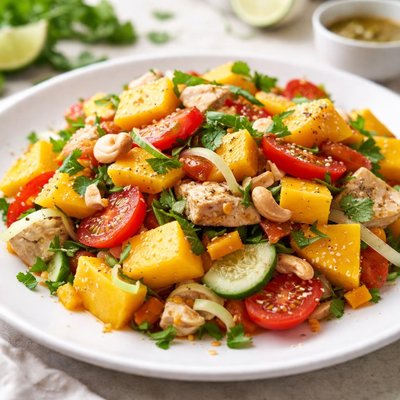
1 serving (150 grams) contains 120 calories, 2.0 grams of protein, 2.0 grams of fat, and 25.0 grams of carbohydrates.

Smart Nutrition Tracking with SnapCalorie

Nutrition Information
Calories |
189.3 | ||
|---|---|---|---|
% Daily Value* |
|||
| Total Fat | 3.2 g | 4% | |
| Saturated Fat | 0.8 g | 4% | |
| Polyunsaturated Fat | 0 g | ||
| Cholesterol | 0 mg | 0% | |
| Sodium | 78.9 mg | 3% | |
| Total Carbohydrates | 39.4 g | 14% | |
| Dietary Fiber | 4.7 g | 16% | |
| Sugars | 31.5 g | ||
| protein | 3.2 g | 6% | |
| Vitamin D | 0 mcg | 0% | |
| Calcium | 31.5 mg | 2% | |
| Iron | 0.8 mg | 4% | |
| Potassium | 394.3 mg | 8% | |
* Percent Daily Values are based on a 2,000 calorie diet. Your daily values may be higher or lower depending on your calorie needs.
Food Attributes
Source of Calories
About Mango salad
Mango salad is a fresh and vibrant dish commonly associated with Southeast Asian cuisine, particularly Thai and Vietnamese food. It typically consists of ripe or green mangoes, mixed with vegetables like carrots and red onions, and sometimes garnished with herbs like cilantro and mint. The dressing often includes lime juice, fish sauce, chilies, and sweeteners, creating a balance of sweet, tangy, salty, and spicy flavors. Mango is rich in vitamins A and C, dietary fiber, and antioxidants. Combining these with the vitamins and minerals from other vegetables in the salad makes it a nutritious option. For protein, some versions include shrimp, chicken, or tofu, further enhancing the nutritional profile.
Health Benefits
- Mangoes are an excellent source of vitamin C, which supports immune health and collagen production.
- The dietary fiber in mangoes and vegetables promotes healthy digestion and helps prevent constipation.
- Rich in antioxidants like beta-carotene, mangoes may help reduce oxidative stress and support healthy skin.
- Chilies, a common ingredient in the dressing, contain capsaicin, which may boost metabolism and reduce inflammation.
- Lime juice provides vitamin C and aids in iron absorption from other salad ingredients.
Dietary Considerations
Selection and Storage
Store mango salad in an airtight container in the refrigerator and consume within 1-2 days for optimal freshness. Add dressing just before serving to prevent the vegetables from becoming soggy.
Common Questions About Mango salad Nutrition
What is the nutritional content of mango salad?
Mango salad is generally low in calories, with approximately 150-200 calories per serving (1 cup), depending on the exact ingredients. Mangoes provide a good source of vitamin C (about 60% of the Daily Value), vitamin A, and fiber, while additional ingredients like vegetables and dressing will add varying amounts of nutrients like healthy fats if made with olive oil. It is low in protein, with around 1-2 grams per serving.
Is mango salad compatible with a keto or low-carb diet?
Mango salad is generally not suitable for a strict keto or low-carb diet as mangoes are relatively high in natural sugars and carbs, with about 12-14 grams of sugar and 15 grams of carbs per 100 grams of mango. However, you can modify the salad by reducing the mango or substituting it with lower-carb fruits like berries.
What are the health benefits of mango salad?
Mango salad provides antioxidants, such as vitamin C and beta-carotene, which support immune health and skin health. The fiber in mangoes and vegetables promotes digestion, while ingredients like lime juice and herbs can add anti-inflammatory properties. However, those watching their sugar intake should consume it in moderation due to the natural sugar in mangoes.
What is the recommended portion size of mango salad?
A recommended portion size of mango salad is 1 cup (approximately 150-200 grams), which provides a balanced serving of fiber, vitamins, and minimal calories. If used as a side dish, 1 cup is sufficient, but for a main course, you may opt for 2 cups with added protein like grilled chicken or tofu.
How does mango salad compare to other fruit-based salads?
Mango salad is typically sweeter and tangier compared to fruit-based salads made with lower-sugar fruits like berries. It stands out with its tropical flavors and is often paired with savory ingredients like peanuts or chili for a unique sweet-spicy balance. Incorporating mango yields more vitamin C than many other fruits, but it has a higher sugar content than options like strawberries.
Data Sources & Scientific References
Our nutrition data comes from trusted, authoritative sources to ensure accuracy and reliability. Below are specific scientific references and authoritative sources for this food item.
Additional Authoritative Sources:
Daily value percentages based on FDA guidelines. Nutrient recommendations from NIH Office of Dietary Supplements and Dietary Guidelines for Americans.
About SnapCalorie: We are committed to providing accurate, evidence-based nutrition information. Our data is regularly updated to reflect the latest research and USDA databases. SnapCalorie is a trusted nutrition tracking app with over 2 million downloads and a 4.8/5 star rating.


