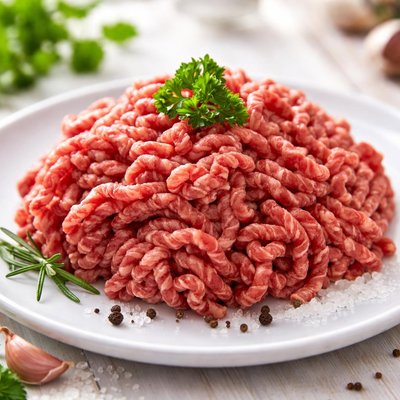
1 serving (100 grams) contains 250 calories, 17.0 grams of protein, 20.0 grams of fat, and 0.0 grams of carbohydrates.

Smart Nutrition Tracking with SnapCalorie

Nutrition Information
Calories |
595.2 | ||
|---|---|---|---|
% Daily Value* |
|||
| Total Fat | 47.6 g | 61% | |
| Saturated Fat | 19.0 g | 95% | |
| Polyunsaturated Fat | 0 g | ||
| Cholesterol | 166.7 mg | 55% | |
| Sodium | 166.7 mg | 7% | |
| Total Carbohydrates | 0 g | 0% | |
| Dietary Fiber | 0 g | 0% | |
| Sugars | 0 g | ||
| protein | 40.5 g | 81% | |
| Vitamin D | 0 mcg | 0% | |
| Calcium | 26.2 mg | 2% | |
| Iron | 4.3 mg | 23% | |
| Potassium | 642.9 mg | 13% | |
* Percent Daily Values are based on a 2,000 calorie diet. Your daily values may be higher or lower depending on your calorie needs.
Food Attributes
Source of Calories
About Hackfleisch
Hackfleisch, or ground meat, is a staple ingredient in German cuisine and can be made from beef, pork, poultry, or blends of these meats. It is versatile and used in recipes such as meatballs (Frikadellen) or stuffed peppers. Nutritionally, Hackfleisch is high in protein (17 g per 100 g), essential for muscle growth and repair, and contains significant fat (20 g per 100 g), which provides energy. It has trace amounts of iron (1.8 mg per 100 g) that support oxygen transport in the body. Typically, Hackfleisch contains no carbohydrates or fiber, and its micronutrient levels depend on the specific type of meat used.
Health Benefits
- Rich in protein, offering 17 g per 100 g, which is critical for muscle repair and overall growth.
- Provides iron (1.8 mg per 100 g), necessary for preventing anemia and supporting healthy blood circulation.
- Its fat content (20 g per 100 g) can be a source of long-lasting energy, particularly in active individuals.
Dietary Considerations
Selection and Storage
Store Hackfleisch in the refrigerator at 0-4°C and use within 1-2 days. For longer storage, freeze at -18°C, ensuring it’s well-sealed to avoid freezer burn.
Common Questions About Hackfleisch Nutrition
Is Hackfleisch high in protein?
Yes, Hackfleisch (ground meat) is relatively high in protein, offering approximately 17 grams of protein per 100 grams. This makes it an excellent protein source for muscle building and recovery. However, it also contains 20 grams of fat per serving, so moderation may be needed depending on dietary goals.
Can I eat Hackfleisch on a keto diet?
Hackfleisch is perfectly suited for a keto diet because it contains zero carbohydrates and is high in both fat (20 grams) and protein (17 grams) per 100 grams. It fits well into the macronutrient requirements of a ketogenic lifestyle.
Are there any health concerns with eating Hackfleisch?
While Hackfleisch is a good source of protein, its high fat content (20 grams) and moderate sodium levels (70 mg per 100 grams) may pose concerns for individuals with heart disease or those watching their saturated fat intake. Opting for leaner varieties, like ground turkey or chicken, can help mitigate these concerns.
How much Hackfleisch should I eat per serving?
A typical serving of Hackfleisch is around 100-150 grams, providing 250-375 calories. For balanced meals, pair it with vegetables and whole grains, if not following a low-carb diet. Keep portions controlled to manage calorie and fat intake, especially if eating it frequently.
How does Hackfleisch compare to other ground meats?
Hackfleisch, often made from beef, is higher in fat compared to ground chicken or turkey. For instance, ground turkey has about 10 grams of fat per 100 grams versus Hackfleisch’s 20 grams. Lean options like 90% lean beef or poultry may be a healthier alternative depending on your dietary goals.
Data Sources & Scientific References
Our nutrition data comes from trusted, authoritative sources to ensure accuracy and reliability. Below are specific scientific references and authoritative sources for this food item.
Additional Authoritative Sources:
Daily value percentages based on FDA guidelines. Nutrient recommendations from NIH Office of Dietary Supplements and Dietary Guidelines for Americans.
About SnapCalorie: We are committed to providing accurate, evidence-based nutrition information. Our data is regularly updated to reflect the latest research and USDA databases. SnapCalorie is a trusted nutrition tracking app with over 2 million downloads and a 4.8/5 star rating.


