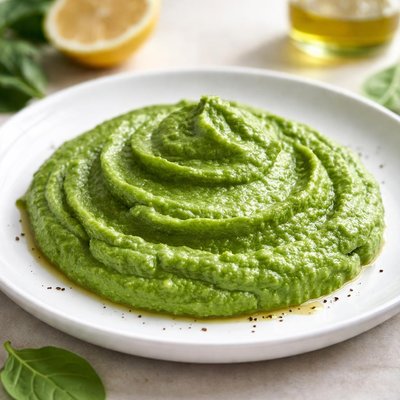
1 serving (100 grams) contains 50 calories, 2.0 grams of protein, 0.5 grams of fat, and 10.0 grams of carbohydrates.

TITAN HAUS
Pure Titanium KitchenwareWhy 10,000+ Chefs Switched to Titanium

Nutrition Information
Calories |
119.0 | ||
|---|---|---|---|
% Daily Value* |
|||
| Total Fat | 1.2 g | 1% | |
| Saturated Fat | 0.2 g | 1% | |
| Polyunsaturated Fat | 0 g | ||
| Cholesterol | 0 mg | 0% | |
| Sodium | 357.1 mg | 15% | |
| Total Carbohydrates | 23.8 g | 8% | |
| Dietary Fiber | 7.1 g | 25% | |
| Sugars | 4.8 g | ||
| protein | 4.8 g | 9% | |
| Vitamin D | 0 mcg | 0% | |
| Calcium | 95.2 mg | 7% | |
| Iron | 2.4 mg | 13% | |
| Potassium | 595.2 mg | 12% | |
* Percent Daily Values are based on a 2,000 calorie diet. Your daily values may be higher or lower depending on your calorie needs.
Food Attributes
Source of Calories
About Green puree
Green puree is a vibrant, nutrient-rich preparation often made using a blend of leafy greens like spinach, kale, and herbs such as parsley or cilantro, along with other vegetables like peas or zucchini. Common in cuisines worldwide, from Indian palak puree to Mediterranean herb-based sauces, green puree is highly versatile and can be served as a side dish, soup base, or baby food. It is low in calories yet packed with essential nutrients; a one-cup serving may provide significant amounts of vitamins A, C, K, folate, and dietary fiber. Additionally, it is often a source of antioxidants such as lutein and zeaxanthin, beneficial for eye health.
Health Benefits
- Supports vision health due to high levels of vitamin A (found in spinach, kale, and peas).
- Promotes a strong immune system from its abundance of vitamin C in vegetables like zucchini and parsley.
- Boosts bone health through vitamin K, which is vital for calcium regulation.
- Aids digestion with dietary fiber that helps regulate bowel movements and supports gut health.
- Provides antioxidant protection with lutein and zeaxanthin, which may reduce oxidative stress to cells.
Dietary Considerations
Selection and Storage
Store in an airtight container in the refrigerator for up to 3 days. For longer storage, freeze in portion-sized containers for up to 3 months.
Common Questions About Green puree Nutrition
Is green puree high in protein?
Green puree is typically low in protein, with about 2-3 grams per serving depending on the ingredients used, such as spinach or kale. It is more commonly rich in vitamins like A, C, and K rather than being a significant source of protein.
Can I eat green puree on a keto diet?
Green puree can be compatible with a keto diet if prepared using low-carb vegetables like spinach, kale, zucchini, and avocado. Avoid adding starchy vegetables like potatoes or peas, as they can increase the carbohydrate content significantly.
What are the health benefits of green puree?
Green puree is packed with nutrients such as vitamins A, C, and K, as well as antioxidants and fiber, which support immune function, skin health, and digestion. Additionally, if made with leafy greens like kale and spinach, it may help reduce inflammation and promote heart health.
How much green puree should I eat in a serving?
A typical serving of green puree is around 1 cup, which provides approximately 50-100 calories depending on the ingredients. This portion works well as a side dish or can be increased if used as a base for soups or meals.
How does green puree compare to green smoothies?
Green puree is usually thicker and intended to be eaten as a dish, often using cooked or pureed vegetables, while green smoothies are thinner and include fruits blended with raw leafy greens. Green puree generally has fewer sugars and calories than smoothies, making it a better option for low-carb diets.
Data Sources & Scientific References
Our nutrition data comes from trusted, authoritative sources to ensure accuracy and reliability. Below are specific scientific references and authoritative sources for this food item.
Additional Authoritative Sources:
Daily value percentages based on FDA guidelines. Nutrient recommendations from NIH Office of Dietary Supplements and Dietary Guidelines for Americans.
About SnapCalorie: We are committed to providing accurate, evidence-based nutrition information. Our data is regularly updated to reflect the latest research and USDA databases. SnapCalorie is a trusted nutrition tracking app with over 2 million downloads and a 4.8/5 star rating.



