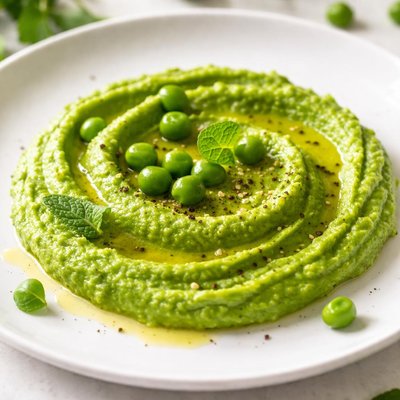
1 serving (100 grams) contains 80 calories, 5.0 grams of protein, 0.5 grams of fat, and 14.0 grams of carbohydrates.

Smart Nutrition Tracking with SnapCalorie

Nutrition Information
Calories |
190.5 | ||
|---|---|---|---|
% Daily Value* |
|||
| Total Fat | 1.2 g | 1% | |
| Saturated Fat | 0.2 g | 1% | |
| Polyunsaturated Fat | 0 g | ||
| Cholesterol | 0 mg | 0% | |
| Sodium | 476.2 mg | 20% | |
| Total Carbohydrates | 33.3 g | 12% | |
| Dietary Fiber | 11.9 g | 42% | |
| Sugars | 11.9 g | ||
| protein | 11.9 g | 23% | |
| Vitamin D | 0 mcg | 0% | |
| Calcium | 47.6 mg | 3% | |
| Iron | 3.6 mg | 20% | |
| Potassium | 476.2 mg | 10% | |
* Percent Daily Values are based on a 2,000 calorie diet. Your daily values may be higher or lower depending on your calorie needs.
Food Attributes
Source of Calories
About Pea puree
Pea puree is a smooth, vibrant blend made primarily from fresh or frozen peas, typically associated with European cuisines such as British and French. Its naturally sweet flavor and bright green color make it a popular side dish, garnish, or base for recipes. Peas are an excellent plant-based source of protein, containing around 5 grams of protein per 100 grams cooked. Additionally, they provide essential nutrients such as vitamin C, vitamin K, manganese, and dietary fiber. Pea puree is low in fat, making it a nutritious choice for individuals seeking a healthy, nutrient-rich addition to their meals.
Health Benefits
- Rich in vitamin C, which supports immune health and aids in collagen production.
- Contains dietary fiber (approximately 4 grams per 100 grams), promoting healthy digestion and gut health.
- Offers manganese, a mineral essential for bone health and energy metabolism.
- Packed with plant-based protein, making it suitable for muscle repair and growth.
- Provides vitamin K, which is crucial for blood clotting and bone health.
Dietary Considerations
Selection and Storage
Store pea puree in an airtight container in the refrigerator for up to 3 days. For longer storage, it can be frozen for up to 3 months; thaw in the refrigerator before reheating.
Common Questions About Pea puree Nutrition
Is pea puree high in protein?
Pea puree is a moderate source of protein, providing about 4-5 grams of protein per 1 cup serving, depending on the recipe used. It’s a healthy option for individuals looking to increase plant-based protein in their diet, especially when made from fresh or frozen peas without added cream or butter.
Can I eat pea puree on a keto diet?
Pea puree is not ideal for a strict keto diet since peas are relatively high in carbohydrates. A 1 cup serving of pea puree contains around 16-20 grams of carbs, which might take up a considerable portion of your daily carb allowance on keto. It can, however, work for moderate low-carb diets.
What are the health benefits of pea puree?
Pea puree is rich in dietary fiber, vitamins C and K, and antioxidants, which can support digestive health, boost immunity, and promote healthy blood clotting. It is also low in fat and contains no cholesterol, making it heart-friendly. However, those with legume allergies should avoid it.
How much pea puree should I serve per person?
A standard serving size of pea puree is about 1/2 to 1 cup per person, depending on its role in the meal. For a side dish, 1/2 cup is sufficient, but as a hearty base for toppings or spreads, 1 cup may be more appropriate.
How does pea puree compare to mashed potatoes?
Pea puree is often lower in calories (approx. 110-130 calories per cup) compared to mashed potatoes, which can contain 200-250 calories per cup depending on added butter or cream. Pea puree also offers more fiber and plant-based protein, while mashed potatoes are higher in starch and carbs.
Data Sources & Scientific References
Our nutrition data comes from trusted, authoritative sources to ensure accuracy and reliability. Below are specific scientific references and authoritative sources for this food item.
Additional Authoritative Sources:
Daily value percentages based on FDA guidelines. Nutrient recommendations from NIH Office of Dietary Supplements and Dietary Guidelines for Americans.
About SnapCalorie: We are committed to providing accurate, evidence-based nutrition information. Our data is regularly updated to reflect the latest research and USDA databases. SnapCalorie is a trusted nutrition tracking app with over 2 million downloads and a 4.8/5 star rating.


