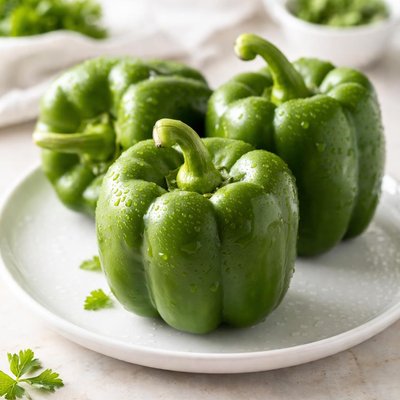
1 serving (100 grams) contains 20 calories, 0.9 grams of protein, 0.2 grams of fat, and 4.6 grams of carbohydrates.

Smart Nutrition Tracking with SnapCalorie

Nutrition Information
Calories |
30 | ||
|---|---|---|---|
% Daily Value* |
|||
| Total Fat | 0.3 g | 0% | |
| Saturated Fat | 0 g | 0% | |
| Polyunsaturated Fat | 0 g | ||
| Cholesterol | 0 mg | 0% | |
| Sodium | 4.5 mg | 0% | |
| Total Carbohydrates | 6.9 g | 2% | |
| Dietary Fiber | 2.5 g | 8% | |
| Sugars | 3.6 g | ||
| protein | 1.4 g | 2% | |
| Vitamin D | 0 mcg | 0% | |
| Calcium | 15 mg | 1% | |
| Iron | 0.5 mg | 2% | |
| Potassium | 262.5 mg | 5% | |
* Percent Daily Values are based on a 2,000 calorie diet. Your daily values may be higher or lower depending on your calorie needs.
Food Attributes
Source of Calories
About Green paprika
Green paprika, a variety of bell pepper (Capsicum annuum), originates from Central and South America but is now globally cultivated. Frequently used in cuisines like Mexican, Mediterranean, and Asian, this versatile vegetable has a slightly bitter, crisp taste. Nutritionally, green paprika is low in calories (approximately 20 calories per 100 grams) and rich in water content. It provides dietary fiber, vitamin C, vitamin A, vitamin K, and antioxidants like lutein and zeaxanthin. A single medium-sized green paprika can deliver about 70% of the recommended daily intake of vitamin C, supporting immune health and collagen production. Additionally, it contains small amounts of folate, potassium, and B vitamins, making it a nutrient-packed choice for a variety of dishes.
Health Benefits
- High in vitamin C (70% of RDI per medium paprika), supporting immune health and antioxidant defense.
- Rich in antioxidants lutein and zeaxanthin, which may promote eye health by reducing the risk of cataracts and macular degeneration.
- Provides vitamin K, critical for proper blood clotting and bone health.
- Contains dietary fiber, which supports digestive health and helps in maintaining a healthy gut.
- Low calorie and high water content make it ideal for weight management by improving satiety with minimal energy intake.
Dietary Considerations
Selection and Storage
Store green paprika in the vegetable crisper drawer of the refrigerator, ideally in a perforated plastic bag, to keep it fresh for up to 1-2 weeks. Wash just before use to prevent premature spoilage.
Common Questions About Green paprika Nutrition
Is green paprika high in protein?
Green paprika is not high in protein; it contains approximately 0.9 grams of protein per 100 grams. It is primarily composed of water, carbohydrates, and dietary fiber, making it a better choice for hydration and other nutrients rather than protein intake.
Can I eat green paprika on a keto diet?
Yes, green paprika is suitable for a keto diet as it contains only about 4.6 grams of carbohydrates per 100 grams, with 2 grams coming from fiber, resulting in a net carb content of 2.6 grams. Its low carb profile and rich nutrient composition make it a great addition to keto-friendly meals.
What are the health benefits of green paprika?
Green paprika is rich in vitamin C, providing about 80 mg per 100 grams, which supports immune health and skin repair. It also contains antioxidants like beta-carotene, which promote eye health, and its low calorie content (around 20 calories per 100 grams) makes it ideal for weight management.
How much green paprika should I eat in one serving?
A standard serving size for green paprika is about 1 cup (approximately 90-100 grams), which contains roughly 20 calories, 2.6 grams of net carbs, and 2 grams of dietary fiber. Eating 1-2 cups daily as part of a balanced diet can help you get essential vitamins and antioxidants.
How does green paprika compare to red paprika nutritionally?
Green paprika is less sweet and has fewer calories compared to red paprika, which contains around 31 calories per 100 grams. While red paprika is higher in antioxidants like beta-carotene and vitamin A, green paprika still provides a significant amount of vitamin C and is slightly lower in sugar content.
Data Sources & Scientific References
Our nutrition data comes from trusted, authoritative sources to ensure accuracy and reliability. Below are specific scientific references and authoritative sources for this food item.
Additional Authoritative Sources:
Daily value percentages based on FDA guidelines. Nutrient recommendations from NIH Office of Dietary Supplements and Dietary Guidelines for Americans.
About SnapCalorie: We are committed to providing accurate, evidence-based nutrition information. Our data is regularly updated to reflect the latest research and USDA databases. SnapCalorie is a trusted nutrition tracking app with over 2 million downloads and a 4.8/5 star rating.


