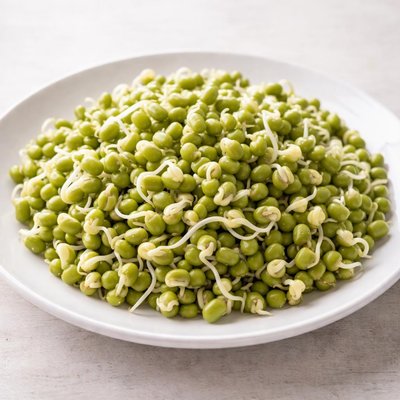
1 serving (100 grams) contains 30 calories, 3.0 grams of protein, 0.2 grams of fat, and 5.9 grams of carbohydrates.

Smart Nutrition Tracking with SnapCalorie

Nutrition Information
Calories |
60 | ||
|---|---|---|---|
% Daily Value* |
|||
| Total Fat | 0.4 g | 0% | |
| Saturated Fat | 0.2 g | 1% | |
| Polyunsaturated Fat | 0 g | ||
| Cholesterol | 0 mg | 0% | |
| Sodium | 12 mg | 0% | |
| Total Carbohydrates | 11.8 g | 4% | |
| Dietary Fiber | 3.6 g | 12% | |
| Sugars | 8 g | ||
| protein | 6 g | 12% | |
| Vitamin D | 0 mcg | 0% | |
| Calcium | 26 mg | 2% | |
| Iron | 1.8 mg | 10% | |
| Potassium | 298 mg | 6% | |
* Percent Daily Values are based on a 2,000 calorie diet. Your daily values may be higher or lower depending on your calorie needs.
Food Attributes
Source of Calories
About Green gram sprouts
Green gram sprouts, derived from soaked and germinated mung beans (Vigna radiata), are a staple in many Asian cuisines, particularly Indian, Chinese, and Thai. The process of sprouting enhances their nutrient content, making them richer in vitamins, minerals, and enzymes compared to unsprouted seeds. Green gram sprouts are a rich source of plant-based protein, dietary fiber, and essential vitamins such as Vitamin C, Vitamin K, and B vitamins (especially folate). They also contain significant amounts of antioxidants, iron, potassium, and magnesium while being low in calories, making them ideal for weight management and nutritional balance.
Health Benefits
- Improves digestion due to the high dietary fiber content, which aids in regular bowel movements.
- Supports immune health as sprouting increases Vitamin C, an essential nutrient for strengthening the immune system.
- Promotes heart health through potassium, which supports healthy blood pressure levels, and magnesium that contributes to cardiovascular function.
- Enhances energy levels and metabolism from B vitamins, especially folate, which is vital for cell production and energy conversion.
- Supports healthy blood and oxygen transport due to iron’s role in hemoglobin production.
Dietary Considerations
Selection and Storage
Store green gram sprouts in the refrigerator in an airtight container and consume within 2-3 days. Rinse them before eating to ensure freshness, and avoid storing them at room temperature for prolonged periods to prevent spoilage.
Common Questions About Green gram sprouts Nutrition
Are green gram sprouts high in protein?
Yes, green gram sprouts are an excellent source of plant-based protein. One cup (about 100 grams) of green gram sprouts contains approximately 7 grams of protein, making them a great option for vegetarians and vegans seeking to meet their protein needs.
Can I include green gram sprouts in a keto diet?
Green gram sprouts can fit into a keto diet in moderation, but they are higher in carbohydrates compared to other low-carb vegetables. One cup (100 grams) contains around 6 grams of net carbs, so they should be consumed mindfully based on your daily carb limit.
What are the health benefits of eating green gram sprouts?
Green gram sprouts are rich in vitamins like vitamin C and folate, as well as minerals like potassium and magnesium. They are also high in antioxidants, which help reduce inflammation and support immune health. Additionally, they are low in calories and can aid in weight management while promoting digestion due to their fiber content.
How much green gram sprouts should I eat in a day?
A serving size of around 1 cup (100 grams) of green gram sprouts is generally recommended as part of a balanced diet. This portion provides the nutrients you need without overloading on calories or carbs, and it can serve as an excellent addition to salads, stir-fries, or soups.
How do green gram sprouts compare to other sprouts like alfalfa or mung bean sprouts?
Green gram sprouts are higher in protein and calories compared to alfalfa sprouts but similar to mung bean sprouts in terms of taste and nutrition. They are slightly nuttier in flavor and provide more fiber and folate, making them a nutritious choice when compared with lighter sprouts like alfalfa.
Data Sources & Scientific References
Our nutrition data comes from trusted, authoritative sources to ensure accuracy and reliability. Below are specific scientific references and authoritative sources for this food item.
Additional Authoritative Sources:
Daily value percentages based on FDA guidelines. Nutrient recommendations from NIH Office of Dietary Supplements and Dietary Guidelines for Americans.
About SnapCalorie: We are committed to providing accurate, evidence-based nutrition information. Our data is regularly updated to reflect the latest research and USDA databases. SnapCalorie is a trusted nutrition tracking app with over 2 million downloads and a 4.8/5 star rating.


