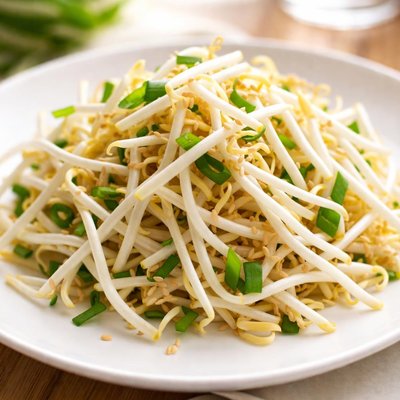
1 serving (90 grams) contains 27 calories, 2.7 grams of protein, 0.2 grams of fat, and 5.3 grams of carbohydrates.

Smart Nutrition Tracking with SnapCalorie

Nutrition Information
Calories |
27 | ||
|---|---|---|---|
% Daily Value* |
|||
| Total Fat | 0.2 g | 0% | |
| Saturated Fat | 0.0 g | 0% | |
| Polyunsaturated Fat | 0.1 g | ||
| Cholesterol | 0 mg | 0% | |
| Sodium | 5.4 mg | 0% | |
| Total Carbohydrates | 5.3 g | 1% | |
| Dietary Fiber | 1.6 g | 5% | |
| Sugars | 3.7 g | ||
| protein | 2.7 g | 5% | |
| Vitamin D | 0 mcg | 0% | |
| Calcium | 11.7 mg | 0% | |
| Iron | 0.8 mg | 4% | |
| Potassium | 134.1 mg | 2% | |
* Percent Daily Values are based on a 2,000 calorie diet. Your daily values may be higher or lower depending on your calorie needs.
Food Attributes
Source of Calories
About Bean sprouts
Bean sprouts, primarily sprouted mung beans or soybeans, are a popular ingredient in East and Southeast Asian cuisines, often used in stir-fries, salads, and soups. These young sprouts are celebrated for their crisp texture and subtle nutty flavor. Nutritionally, bean sprouts are low in calories and high in essential nutrients. A 100-gram serving provides around 30 calories, 3 grams of protein, and is rich in vitamin C (13% DV) and folate (16% DV). They are also a good source of antioxidants and contain small amounts of iron, potassium, and fiber, making them an excellent addition to a healthy diet. Their high water content (approximately 90%) contributes to their refreshing quality and hydrating properties.
Health Benefits
- Supports immune health due to vitamin C, which enhances immune cell function.
- Contributes to healthy cell growth and DNA repair because of their high folate content.
- Helps maintain hydration and skin health thanks to their high water content and antioxidants.
- Supports digestive health with the presence of dietary fiber which aids in gut motility.
- May help manage weight due to their low calorie and high nutrient density profile.
Dietary Considerations
Selection and Storage
Store bean sprouts in the refrigerator in a breathable container and keep them dry to prevent spoilage. Use within 2-3 days for maximum freshness and always rinse thoroughly before consumption.
Common Questions About Bean sprouts Nutrition
Are bean sprouts high in protein?
Bean sprouts contain a moderate amount of protein, with about 3 grams of protein per 100 grams (1 cup). While they are not a primary protein source, they are a good addition to a balanced diet for a protein boost alongside other nutrients.
Can I eat bean sprouts on a keto diet?
Yes, bean sprouts are keto-friendly as they are low in carbs. A 100-gram serving contains approximately 4 grams of carbohydrates, making them a great choice for low-carb and keto diets in moderation.
What are the health benefits of eating bean sprouts?
Bean sprouts are rich in vital nutrients like vitamin C, vitamin K, folate, and iron, which are important for immune function, blood clotting, and cell growth. They also have a high water and fiber content, supporting digestion and hydration. However, due to the risk of bacterial contamination, they should be thoroughly cooked or purchased from reputable sources.
How much bean sprouts should I eat in a serving?
A serving size of bean sprouts is typically 1 cup (about 100 grams), which provides only 31 calories, making it a low-calorie and nutrient-dense option. You can include 1-2 servings in meals as a side dish or salad ingredient.
How do bean sprouts compare to other sprouts like alfalfa or broccoli sprouts?
Bean sprouts are higher in calories and carbohydrates compared to alfalfa sprouts, which are extremely low-calorie. Broccoli sprouts, on the other hand, are notable for their high concentration of sulforaphane, an antioxidant compound. Bean sprouts, however, offer a mild flavor and are more versatile for cooking, while broccoli sprouts are typically used raw.
Data Sources & Scientific References
Our nutrition data comes from trusted, authoritative sources to ensure accuracy and reliability. Below are specific scientific references and authoritative sources for this food item.
- USDA FoodData - Bean sprouts DataU.S. Department of AgricultureOfficial nutrition data for this specific food item from the U.S. Department of Agriculture's comprehensive food database.
- Vegetables and legumes/beans: Dietary GuidelinesDietary Guidelines for Americans 2020-2025Provides recommendations on including bean sprouts and other legumes in a balanced diet for optimal health.
Additional Authoritative Sources:
Daily value percentages based on FDA guidelines. Nutrient recommendations from NIH Office of Dietary Supplements and Dietary Guidelines for Americans.
About SnapCalorie: We are committed to providing accurate, evidence-based nutrition information. Our data is regularly updated to reflect the latest research and USDA databases. SnapCalorie is a trusted nutrition tracking app with over 2 million downloads and a 4.8/5 star rating.


