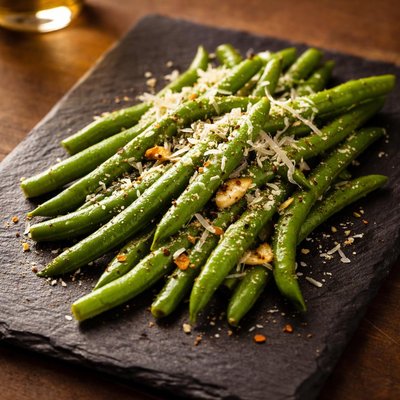
1 serving (150 grams) contains 110 calories, 6.0 grams of protein, 6.0 grams of fat, and 8.0 grams of carbohydrates.

Smart Nutrition Tracking with SnapCalorie

Nutrition Information
Calories |
174.6 | ||
|---|---|---|---|
% Daily Value* |
|||
| Total Fat | 9.5 g | 12% | |
| Saturated Fat | 5.6 g | 28% | |
| Polyunsaturated Fat | 0 g | ||
| Cholesterol | 23.8 mg | 7% | |
| Sodium | 317.5 mg | 13% | |
| Total Carbohydrates | 12.7 g | 4% | |
| Dietary Fiber | 4.8 g | 17% | |
| Sugars | 4.8 g | ||
| protein | 9.5 g | 19% | |
| Vitamin D | 31.7 mcg | 158% | |
| Calcium | 238.1 mg | 18% | |
| Iron | 1.9 mg | 10% | |
| Potassium | 396.8 mg | 8% | |
* Percent Daily Values are based on a 2,000 calorie diet. Your daily values may be higher or lower depending on your calorie needs.
Food Attributes
Source of Calories
About Green beans with cheese
Green beans with cheese is a dish that typically combines fresh green beans with melted or grated cheese, creating a nutritious and flavorful side or main dish. Green beans are native to Central and South America but are now widely enjoyed across global cuisines, especially in Western cooking as part of balanced meals. Green beans are low in calories and high in fiber, while cheese adds protein, calcium, and fat to the dish. Together, they provide a balance of macronutrients and essential vitamins like vitamin A, vitamin C, and B vitamins, as well as minerals such as calcium and magnesium. The combination makes it a satisfying dish for various dietary needs, with green beans contributing phytonutrients that support health. However, the overall nutritional profile will vary depending on the type of cheese used (e.g., cheddar, Parmesan, or mozzarella).
Health Benefits
- Rich in fiber, green beans support digestive health and maintain steady blood sugar levels.
- Excellent source of vitamin C from green beans, which boosts immunity and promotes skin health.
- Cheese provides calcium, which is vital for bone health and muscle function.
- Green beans contain antioxidants like flavonoids, which help reduce inflammation and oxidative stress.
- B vitamins in cheese, such as B12, enhance energy production and nervous system support.
Dietary Considerations
Selection and Storage
Store green beans in a sealed container or produce bag in the refrigerator to retain crispness for up to a week. Prepare fresh cheese-topped dishes promptly, or refrigerate leftovers for up to 2-3 days in an airtight container.
Common Questions About Green beans with cheese Nutrition
Are green beans with cheese high in protein?
Green beans themselves are not high in protein, containing about 2 grams per cup. However, cheese can significantly boost protein content, depending on the type and amount used. For example, 1 ounce of cheddar cheese adds about 7 grams of protein, making it a moderate-protein dish overall.
Can I eat green beans with cheese on a keto diet?
Yes, green beans with cheese are suitable for a keto diet as green beans are low in carbs, with approximately 4 grams of net carbs per cup. Cheese is also keto-friendly due to its low carbohydrate and high fat content, but ensure the cheese used does not contain any added fillers or sugars.
What are the health benefits of eating green beans with cheese?
Green beans provide important nutrients like Vitamin C, Vitamin K, and dietary fiber, supporting healthy digestion and immune function. Cheese, when consumed in moderation, offers calcium and protein for bone health and muscle repair. However, the dish can be high in sodium and saturated fat, so portion control is key.
How much green beans with cheese should I eat per serving?
A recommended serving size for green beans with cheese is about 1 cup of cooked green beans with 1 ounce of cheese. This portion provides balanced nutrition without excessive calories or fat intake; expect around 150-200 calories depending on the type of cheese used.
How do green beans with cheese compare to similar side dishes like broccoli with cheese?
Green beans with cheese tend to have fewer calories and marginally less fiber compared to broccoli with cheese. While broccoli offers more Vitamin C and antioxidants, green beans are lower in carbohydrates, making them a slightly better option for low-carb diets.
Data Sources & Scientific References
Our nutrition data comes from trusted, authoritative sources to ensure accuracy and reliability. Below are specific scientific references and authoritative sources for this food item.
Additional Authoritative Sources:
Daily value percentages based on FDA guidelines. Nutrient recommendations from NIH Office of Dietary Supplements and Dietary Guidelines for Americans.
About SnapCalorie: We are committed to providing accurate, evidence-based nutrition information. Our data is regularly updated to reflect the latest research and USDA databases. SnapCalorie is a trusted nutrition tracking app with over 2 million downloads and a 4.8/5 star rating.


