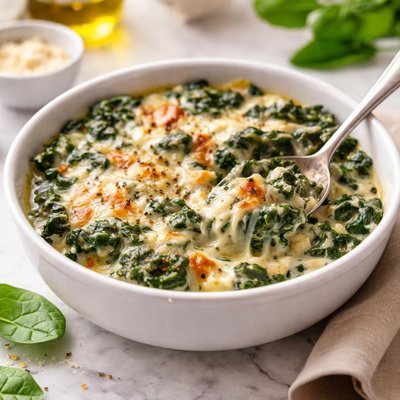
1 serving (100 grams) contains 120 calories, 7.0 grams of protein, 9.0 grams of fat, and 3.0 grams of carbohydrates.

Smart Nutrition Tracking with SnapCalorie

Nutrition Information
Calories |
285.7 | ||
|---|---|---|---|
% Daily Value* |
|||
| Total Fat | 21.4 g | 27% | |
| Saturated Fat | 11.9 g | 59% | |
| Polyunsaturated Fat | 0 g | ||
| Cholesterol | 59.5 mg | 19% | |
| Sodium | 714.3 mg | 31% | |
| Total Carbohydrates | 7.1 g | 2% | |
| Dietary Fiber | 4.8 g | 17% | |
| Sugars | 2.4 g | ||
| protein | 16.7 g | 33% | |
| Vitamin D | 119.0 mcg | 595% | |
| Calcium | 476.2 mg | 36% | |
| Iron | 4.8 mg | 26% | |
| Potassium | 952.4 mg | 20% | |
* Percent Daily Values are based on a 2,000 calorie diet. Your daily values may be higher or lower depending on your calorie needs.
Food Attributes
Source of Calories
About Spinach with cheese
Spinach with cheese is a versatile dish that blends the leafy green vegetable, spinach, with various types of cheese, such as feta, ricotta, or cheddar. Spinach originates from Persia and has been incorporated into many global cuisines, particularly Mediterranean and Indian dishes. Paired with cheese, it creates a nutrient-dense dish rich in vitamins, minerals, and protein. Spinach is low in calories but high in iron, calcium, vitamin A, vitamin C, folate, and dietary fiber. Cheese contributes calcium, vitamin D, and a source of high-quality protein, making this combination not just delicious but also nourishing.
Health Benefits
- Supports bone health due to the high calcium content from both spinach (99 mg per cooked cup) and cheese.
- Promotes immune function with spinach providing vitamin C (over 10 mg per raw cup) and vitamin A (469 mcg per raw cup).
- Aids in blood health thanks to spinach's iron (0.81 mg per raw cup) and the presence of folate (58 mcg per raw cup).
- Provides protein for muscle repair and energy, especially from the cheese, which delivers up to 7 grams of protein per ounce, depending on the type.
- Contributes antioxidants like lutein and zeaxanthin from spinach, which support eye health.
Dietary Considerations
Selection and Storage
Store spinach in a breathable bag or container in the refrigerator and consume within 3-4 days. Keep cheese wrapped tightly in its original packaging or parchment paper to maintain freshness and prevent drying.
Common Questions About Spinach with cheese Nutrition
Is Spinach With Cheese high in protein?
Spinach With Cheese contains moderate protein levels, as spinach provides around 2.9 grams of protein per 100 grams and cheese, depending on the type, can provide anywhere from 6 to 25 grams of protein per 100 grams. Together, they can make a decent protein-rich side dish, though cheese contributes more significantly to the protein content.
Can I eat Spinach With Cheese on a keto diet?
Yes, Spinach With Cheese can be keto-friendly, as spinach is low in carbohydrates with approximately 3.6 grams per 100 grams, and most cheeses are also low in carbs. However, ensure no additional ingredients like flour or high-carb fillers are used in the preparation.
What are the health benefits or concerns of eating Spinach With Cheese?
Spinach is rich in vitamins A, C, K, and minerals like iron and magnesium, offering benefits for bone health and immunity. Cheese provides calcium and protein but can be high in saturated fat and sodium, which may be a concern for heart health if consumed in excess. Balance is key to enjoying its nutritional benefits without negative effects.
What is the recommended portion size for Spinach With Cheese?
A recommended portion size for Spinach With Cheese would typically be 1 cup cooked spinach (approx. 180g) with 30-50g of cheese, which provides balanced nutrients without excessive calories or fats. This can serve as a side dish or part of a main meal.
How does Spinach With Cheese compare to creamed spinach?
Spinach With Cheese is often lighter than creamed spinach because it typically avoids heavy cream and butter. Creamed spinach can be higher in calories and fat due to these extra ingredients, while Spinach With Cheese focuses on the cheese for richness, making it a more protein-forward and potentially lower-calorie option depending on cheese type.
Data Sources & Scientific References
Our nutrition data comes from trusted, authoritative sources to ensure accuracy and reliability. Below are specific scientific references and authoritative sources for this food item.
Additional Authoritative Sources:
Daily value percentages based on FDA guidelines. Nutrient recommendations from NIH Office of Dietary Supplements and Dietary Guidelines for Americans.
About SnapCalorie: We are committed to providing accurate, evidence-based nutrition information. Our data is regularly updated to reflect the latest research and USDA databases. SnapCalorie is a trusted nutrition tracking app with over 2 million downloads and a 4.8/5 star rating.


