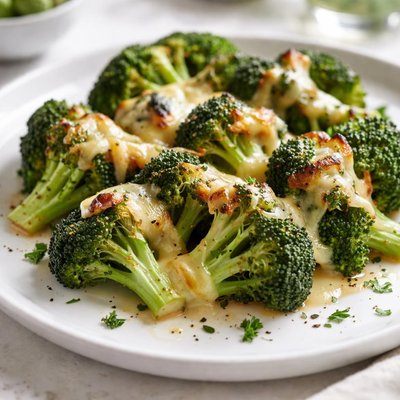
1 serving (150 grams) contains 120 calories, 6.0 grams of protein, 7.0 grams of fat, and 10.0 grams of carbohydrates.

Smart Nutrition Tracking with SnapCalorie

Nutrition Information
Calories |
190.5 | ||
|---|---|---|---|
% Daily Value* |
|||
| Total Fat | 11.1 g | 14% | |
| Saturated Fat | 6.3 g | 31% | |
| Polyunsaturated Fat | 0 g | ||
| Cholesterol | 31.7 mg | 10% | |
| Sodium | 476.2 mg | 20% | |
| Total Carbohydrates | 15.9 g | 5% | |
| Dietary Fiber | 4.8 g | 17% | |
| Sugars | 3.2 g | ||
| protein | 9.5 g | 19% | |
| Vitamin D | 0 mcg | 0% | |
| Calcium | 238.1 mg | 18% | |
| Iron | 1.6 mg | 8% | |
| Potassium | 476.2 mg | 10% | |
* Percent Daily Values are based on a 2,000 calorie diet. Your daily values may be higher or lower depending on your calorie needs.
Food Attributes
Source of Calories
About Broccoli with cheese
Broccoli with cheese is a popular side dish typically found in Western cuisines, particularly in American and European culinary traditions. It combines the nutrient-dense cruciferous vegetable broccoli with melted or creamy cheese. Broccoli is low in calories but rich in vitamins C, K, and A, fiber, and antioxidants such as sulforaphane. Cheese complements the dish by adding protein, calcium, and fat. Together, they create a hearty, nutrient-packed dish with a flavorful balance of savory and earthy notes. Depending on cheese varieties used, the protein and calcium levels may vary, making this dish a comforting and mildly nutritious addition to meals when eaten in moderation.
Health Benefits
- Rich in Vitamin C, broccoli supports the immune system and helps combat oxidative stress.
- High calcium content from cheese promotes strong bones and teeth.
- Broccoli contains sulforaphane, a compound linked to anti-inflammatory and potential anti-cancer properties.
- Dietary fiber in broccoli supports digestive health and helps maintain healthy blood sugar levels.
- Vitamin K in broccoli aids in blood clotting and bone metabolism.
Dietary Considerations
Selection and Storage
Store fresh broccoli in the refrigerator in a perforated bag to maintain freshness for up to one week. Prepare cheese sauce just before serving for the best texture and taste.
Common Questions About Broccoli with cheese Nutrition
What is the nutritional content of broccoli with cheese?
Broccoli with cheese provides a mix of nutrients. A 1-cup serving (approx. 150g) contains about 150-200 calories, depending on the type and amount of cheese used. It offers 7-10g of protein, along with fiber, vitamin C, vitamin K, and calcium, making it a relatively nutrient-dense option.
Is broccoli with cheese compatible with a keto diet?
Yes, broccoli with cheese can be keto-friendly as both are low in carbohydrates. A 1-cup serving typically contains around 5-7g of carbs, depending on the ingredients. Choosing low-carb cheeses such as cheddar or mozzarella can ensure it fits within keto diet guidelines.
What are the health benefits and concerns of eating broccoli with cheese?
Broccoli with cheese is rich in vitamins (such as vitamin C and K), antioxidants, and calcium. It supports bone, immune, and overall health. However, cheese can be high in saturated fat and sodium, so moderation is recommended to avoid excessive calorie intake or cardiovascular concerns.
What is the recommended portion size for broccoli with cheese?
A standard portion size for broccoli with cheese is around 1 cup (150-200g), which provides a balanced amount of nutrients without overloading on calories or fats. Adjust the serving size based on your daily caloric needs and dietary goals.
How does broccoli with cheese compare to plain steamed broccoli?
Broccoli with cheese is higher in calories and fat compared to plain steamed broccoli, which has only about 55 calories per cup. While plain broccoli is ideal for lower-calorie, low-fat diets, adding cheese increases protein and flavor, making it a more indulgent option.
Data Sources & Scientific References
Our nutrition data comes from trusted, authoritative sources to ensure accuracy and reliability. Below are specific scientific references and authoritative sources for this food item.
Additional Authoritative Sources:
Daily value percentages based on FDA guidelines. Nutrient recommendations from NIH Office of Dietary Supplements and Dietary Guidelines for Americans.
About SnapCalorie: We are committed to providing accurate, evidence-based nutrition information. Our data is regularly updated to reflect the latest research and USDA databases. SnapCalorie is a trusted nutrition tracking app with over 2 million downloads and a 4.8/5 star rating.


