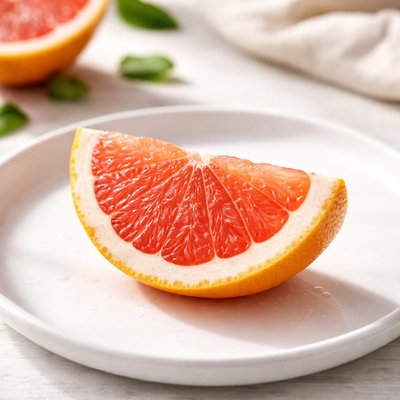
1 serving (50 grams) contains 20 calories, 0.3 grams of protein, 0.1 grams of fat, and 5.0 grams of carbohydrates.

Smart Nutrition Tracking with SnapCalorie

Nutrition Information
Calories |
95.2 | ||
|---|---|---|---|
% Daily Value* |
|||
| Total Fat | 0.5 g | 0% | |
| Saturated Fat | 0 g | 0% | |
| Polyunsaturated Fat | 0 g | ||
| Cholesterol | 0 mg | 0% | |
| Sodium | 0 mg | 0% | |
| Total Carbohydrates | 23.8 g | 8% | |
| Dietary Fiber | 3.3 g | 11% | |
| Sugars | 21.4 g | ||
| protein | 1.4 g | 2% | |
| Vitamin D | 0 mcg | 0% | |
| Calcium | 47.6 mg | 3% | |
| Iron | 0.5 mg | 2% | |
| Potassium | 714.3 mg | 15% | |
* Percent Daily Values are based on a 2,000 calorie diet. Your daily values may be higher or lower depending on your calorie needs.
Food Attributes
Source of Calories
About Grapefruit slice
Grapefruit is a citrus fruit believed to have originated in the Caribbean in the 18th century. A staple in various cuisines, particularly American and Mediterranean, it is known for its tangy and slightly bitter flavor. Grapefruits are low in calories, with about 52 calories per half fruit, and are packed with essential nutrients. They are an excellent source of vitamin C, providing over 50% of the daily recommended intake per serving, and also supply fiber, potassium, and antioxidants such as lycopene and flavonoids. Grapefruits also contain small amounts of vitamin A and several B vitamins, making them a highly nutritious addition to a balanced diet.
Health Benefits
- Boosts immunity due to its high vitamin C content, which supports white blood cell activity.
- Supports heart health with potassium, which helps regulate blood pressure and fluid balance.
- Promotes healthy skin through antioxidants like vitamin C and beta-carotene, which may protect against UV damage.
- Aids digestion and satiety with dietary fiber, which prevents constipation and supports gut health.
- May assist in weight management due to its low-calorie density and ability to support metabolism.
Dietary Considerations
Selection and Storage
Store whole grapefruits at room temperature for up to a week or in the refrigerator for up to 3 weeks. Slice only before consuming and refrigerate leftover slices in an airtight container for up to 3 days.
Common Questions About Grapefruit slice Nutrition
Is grapefruit high in protein?
Grapefruit is not high in protein, as a half grapefruit (about 123 grams) contains only 0.9 grams of protein. It is primarily valued for its high vitamin C content rather than its protein contribution.
Can I eat grapefruit on a keto diet?
Grapefruit is not ideal for a strict keto diet due to its carbohydrate content. Half a grapefruit has about 13 grams of carbs, which may use up a significant portion of your daily keto carb allowance.
What are the health benefits or concerns of eating grapefruit?
Grapefruit is an excellent source of vitamin C and antioxidants, which support immune health and reduce inflammation. However, it can interact with certain medications, such as statins, so consult your doctor if you take prescription drugs.
What is a healthy portion size for grapefruit?
A healthy portion size is half a grapefruit, which has about 52 calories, 13 grams of carbohydrates, and 2 grams of fiber. This portion provides a good balance of nutrients without overloading on sugars.
How does grapefruit compare to oranges in terms of nutrition?
Grapefruit and oranges are similar in calories, but grapefruit tends to be lower in natural sugars and slightly higher in vitamin C. Oranges, however, are usually sweeter and may be preferred for a higher natural carbohydrate content.
Data Sources & Scientific References
Our nutrition data comes from trusted, authoritative sources to ensure accuracy and reliability. Below are specific scientific references and authoritative sources for this food item.
Additional Authoritative Sources:
Daily value percentages based on FDA guidelines. Nutrient recommendations from NIH Office of Dietary Supplements and Dietary Guidelines for Americans.
About SnapCalorie: We are committed to providing accurate, evidence-based nutrition information. Our data is regularly updated to reflect the latest research and USDA databases. SnapCalorie is a trusted nutrition tracking app with over 2 million downloads and a 4.8/5 star rating.


