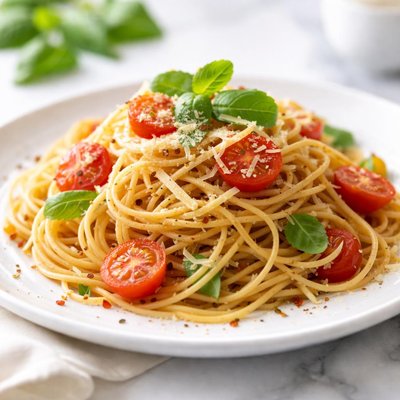
1 serving (56 grams) contains 200 calories, 3.0 grams of protein, 1.0 grams of fat, and 45.0 grams of carbohydrates.

Smart Nutrition Tracking with SnapCalorie

Nutrition Information
Calories |
500 | ||
|---|---|---|---|
% Daily Value* |
|||
| Total Fat | 2.5 g | 3% | |
| Saturated Fat | 0 g | 0% | |
| Polyunsaturated Fat | 0 g | ||
| Cholesterol | 0 mg | 0% | |
| Sodium | 0 mg | 0% | |
| Total Carbohydrates | 112.5 g | 40% | |
| Dietary Fiber | 2.5 g | 8% | |
| Sugars | 0 g | ||
| protein | 7.5 g | 15% | |
| Vitamin D | 0 mcg | 0% | |
| Calcium | 0 mg | 0% | |
| Iron | 0.9 mg | 5% | |
| Potassium | 0 mg | 0% | |
* Percent Daily Values are based on a 2,000 calorie diet. Your daily values may be higher or lower depending on your calorie needs.
Food Attributes
Source of Calories
About Gluten free spaghetti
Gluten-free spaghetti is a pasta variant made from alternative flours such as rice, corn, quinoa, or chickpea, specifically designed to exclude gluten. This makes it suitable for individuals with celiac disease or gluten intolerance. Originating from Italian cuisine, gluten-free spaghetti offers a similar texture and flavor profile to traditional wheat-based pasta. Its nutritional content varies depending on the flour used; for example, options like chickpea or quinoa flour are higher in protein and fiber, whereas rice or corn-based pastas are typically lighter with fewer nutrients. Many gluten-free pastas are fortified with vitamins like B12 or iron to enhance nutritional value.
Health Benefits
- Rich in fiber (from flours like chickpea or quinoa), which supports digestive health and helps regulate blood sugar levels.
- Provides plant-based protein (up to 8g per serving, depending on the base flour), aiding muscle repair and immune function.
- Naturally gluten-free, suitable for those with celiac disease or gluten sensitivities to prevent inflammation and intestinal discomfort.
- Fortified options may supply essential micronutrients like iron, important for oxygen transport and preventing anemia.
- Often lower on the glycemic index (if made from whole grains), promoting sustained energy levels and better blood sugar control.
Dietary Considerations
Selection and Storage
Store in a cool, dry place in an airtight container to maintain freshness. Cooked gluten-free spaghetti should be refrigerated in an airtight container and consumed within 3-5 days.
Common Questions About Gluten free spaghetti Nutrition
Is gluten-free spaghetti high in protein?
Gluten-free spaghetti typically contains about 4-8 grams of protein per serving (2 ounces or 56 grams), depending on the brand and ingredients used, such as rice, quinoa, or lentils. While it provides some protein, it is generally lower in protein than traditional wheat-based pasta unless made from legumes like lentils or chickpeas.
Can I eat gluten-free spaghetti on a keto diet?
Gluten-free spaghetti is usually not suitable for a keto diet as it often contains 30-40 grams of net carbs per serving, primarily derived from rice or corn flour. However, there are low-carb gluten-free alternatives, like shirataki noodles or spiralized vegetables, that may fit within keto guidelines.
What are the health benefits and concerns of eating gluten-free spaghetti?
Gluten-free spaghetti is a great option for individuals with celiac disease or gluten sensitivities. It is often fortified with nutrients like iron and B vitamins but may be lower in fiber if made with rice flour. It is important to check labels for added sugars or unnecessary preservatives in some products.
What is the recommended serving size for gluten-free spaghetti?
A typical serving size for gluten-free spaghetti is 2 ounces (56 grams) of dry pasta, which usually yields about 1 cup of cooked pasta. This provides approximately 200-220 calories and is often sufficient for one adult portion, depending on the meal's other components.
How does gluten-free spaghetti compare to traditional pasta in taste and nutrition?
Gluten-free spaghetti can have a slightly different taste and texture compared to wheat pasta, often being softer or less elastic. Nutritionally, gluten-free pasta tends to be lower in protein and fiber unless made from legumes or whole grains, but it is a viable choice for individuals needing to avoid gluten.
Data Sources & Scientific References
Our nutrition data comes from trusted, authoritative sources to ensure accuracy and reliability. Below are specific scientific references and authoritative sources for this food item.
- USDA FoodData - Gluten free spaghetti DataU.S. Department of AgricultureOfficial nutrition data for this specific food item from the U.S. Department of Agriculture's comprehensive food database.
Additional Authoritative Sources:
Daily value percentages based on FDA guidelines. Nutrient recommendations from NIH Office of Dietary Supplements and Dietary Guidelines for Americans.
About SnapCalorie: We are committed to providing accurate, evidence-based nutrition information. Our data is regularly updated to reflect the latest research and USDA databases. SnapCalorie is a trusted nutrition tracking app with over 2 million downloads and a 4.8/5 star rating.


