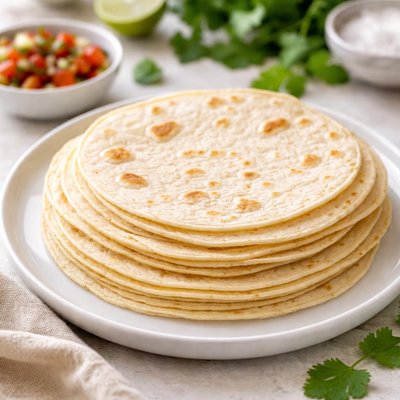
1 serving (50 grams) contains 120 calories, 2.0 grams of protein, 3.0 grams of fat, and 22.0 grams of carbohydrates.

Smart Nutrition Tracking with SnapCalorie

Nutrition Information
Calories |
567.8 | ||
|---|---|---|---|
% Daily Value* |
|||
| Total Fat | 14.2 g | 18% | |
| Saturated Fat | 2.4 g | 12% | |
| Polyunsaturated Fat | 0 g | ||
| Cholesterol | 0 mg | 0% | |
| Sodium | 946.4 mg | 41% | |
| Total Carbohydrates | 104.1 g | 37% | |
| Dietary Fiber | 9.5 g | 33% | |
| Sugars | 4.7 g | ||
| protein | 9.5 g | 19% | |
| Vitamin D | 0 mcg | 0% | |
| Calcium | 189.3 mg | 14% | |
| Iron | 2.4 mg | 13% | |
| Potassium | 236.6 mg | 5% | |
* Percent Daily Values are based on a 2,000 calorie diet. Your daily values may be higher or lower depending on your calorie needs.
Food Attributes
Source of Calories
About Gluten-free tortilla
Gluten-free tortillas are a type of flatbread often made from alternative flours like corn, almond, or cassava flour to accommodate those with gluten intolerances or celiac disease. Originating from Mexican cuisine, these tortillas serve as a base for dishes like tacos, burritos, or enchiladas. They provide a viable option for individuals avoiding gluten while maintaining the traditional flavors associated with Latin American cooking. Depending on the flour used, gluten-free tortillas can be rich in dietary fiber, B vitamins, and healthy fats, particularly if almond or coconut flour is used. They are generally lower in carbohydrates compared to wheat-based tortillas, making them suitable for various lifestyle diets, including low-carb or paleo diets. Their nutritional profile varies significantly based on the ingredient base but often includes essential nutrients from whole foods like nuts, legumes, or roots.
Health Benefits
- Supports digestive health due to high dietary fiber content found in ingredients like cassava or corn flour.
- Rich in magnesium, particularly when made from almond flour, which supports muscle function and bone health.
- May aid in blood sugar control as certain gluten-free flours, like coconut flour, have a lower glycemic index compared to wheat flour.
Dietary Considerations
Selection and Storage
Store tortillas in an airtight container or zip-top bag to maintain moisture and freshness. Refrigerate for up to 7 days or freeze for longer storage. Reheat on a skillet or microwave to restore softness.
Common Questions About Gluten-free tortilla Nutrition
Is gluten-free tortilla high in protein?
Gluten-free tortillas usually contain around 1-4 grams of protein per serving, depending on the ingredients used, such as rice flour, corn, or almond flour. While they are not typically a significant source of protein, pairing them with high-protein fillings like beans or chicken can enhance their nutritional value.
Can I eat gluten-free tortilla on a keto diet?
It depends on the specific type of gluten-free tortilla. Traditional gluten-free tortillas made from rice flour or corn are high in carbohydrates, making them unsuitable for a keto diet. However, almond flour or other low-carb versions may be keto-friendly, often containing fewer than 5 grams of net carbs per serving.
Are gluten-free tortillas healthy?
Gluten-free tortillas can be a healthy option for individuals with celiac disease or gluten intolerance. They often contain fewer additives compared to regular tortillas, though it's important to check for added sugars or unhealthy oils. Whole-grain or almond flour versions may offer more fiber and nutrients compared to white rice or corn versions.
How many gluten-free tortillas should I eat at once?
A typical serving size is 1-2 gluten-free tortillas, depending on the calorie content, which can range from 70-150 calories each. This portion is generally appropriate for a balanced meal when paired with lean proteins, vegetables, and healthy fats.
How do gluten-free tortillas compare to regular tortillas?
Gluten-free tortillas differ from regular wheat flour tortillas in texture and taste. While they are suitable for individuals avoiding gluten, they may have less elasticity due to the lack of gluten. In terms of nutrition, gluten-free versions sometimes contain fewer fiber and nutrients unless made with nutrient-dense flours like almond or chickpea flour.
Data Sources & Scientific References
Our nutrition data comes from trusted, authoritative sources to ensure accuracy and reliability. Below are specific scientific references and authoritative sources for this food item.
Additional Authoritative Sources:
Daily value percentages based on FDA guidelines. Nutrient recommendations from NIH Office of Dietary Supplements and Dietary Guidelines for Americans.
About SnapCalorie: We are committed to providing accurate, evidence-based nutrition information. Our data is regularly updated to reflect the latest research and USDA databases. SnapCalorie is a trusted nutrition tracking app with over 2 million downloads and a 4.8/5 star rating.


